What Exactly Is Leaky Gut Syndrome?
Imagine the lining of your intestines is like a fine-mesh screen or a gatekeeper. In a healthy gut, this barrier is strong and selective. It allows vital nutrients from the food you eat to pass through into your bloodstream while keeping out undigested food particles, toxins, and harmful bacteria.
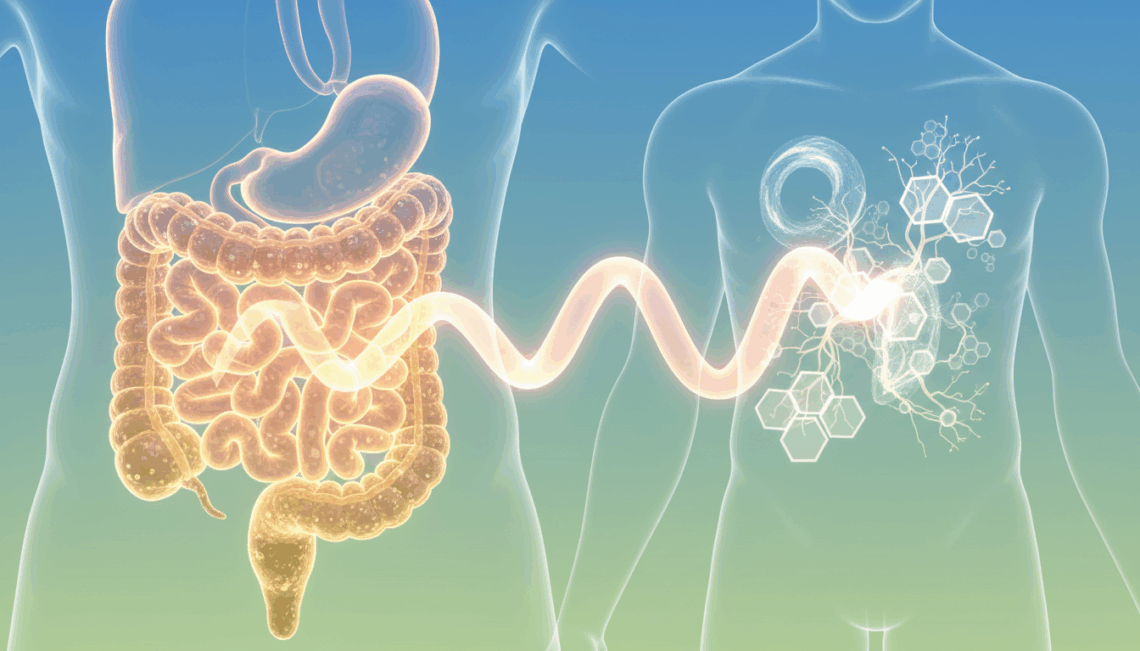
Leaky gut syndrome, known in the medical community as increased intestinal permeability, occurs when this barrier becomes damaged. The “mesh” gets wider, and the “gatekeeper” gets lazy. Gaps can form between the cells of the intestinal wall, allowing those unwanted substances to “leak” directly into your bloodstream. When your body detects these foreign invaders, it triggers an immune response, leading to system-wide inflammation.
The Hidden Link: How Leaky Gut Causes Weight Gain
The connection between leaky gut and weight gain isn’t about calories in versus calories out; it’s about chronic, low-grade inflammation and metabolic disruption. When your gut is compromised, it sets off a chain reaction that makes losing weight and keeping it off incredibly difficult.
Chronic Inflammation and Your Metabolism
When toxins and food particles leak into your bloodstream, your immune system goes on high alert. This constant state of defense creates chronic inflammation throughout your body. Research has shown that this type of inflammation can interfere with how your body responds to insulin, a key hormone that regulates blood sugar. This condition, known as insulin resistance, makes your cells less able to take up glucose from the blood for energy. The result? Your body stores the excess glucose as fat, particularly around the abdomen.
Nutrient Malabsorption and Cravings
A damaged gut lining doesn’t just let bad things out; it also struggles to absorb good things. If you can’t properly absorb essential vitamins and minerals from your food, your body can send out powerful hunger signals and cravings. You might feel hungry even after a full meal because your brain isn’t getting the message that you’re truly nourished. This can lead to overeating and a preference for high-calorie, low-nutrient foods in a desperate attempt to get the nutrients you’re missing.
An Imbalanced Gut Microbiome
Your gut is home to trillions of bacteria, both good and bad. A leaky gut often goes hand-in-hand with an imbalance in this delicate ecosystem, a condition called dysbiosis. Certain types of “bad” bacteria are more efficient at extracting calories from food and can even send signals to your brain that increase cravings for sugar and processed foods. This creates a vicious cycle where the wrong foods feed the wrong bacteria, further damaging the gut lining and promoting fat storage.
Are You Experiencing Symptoms of Leaky Gut?
While persistent weight gain is a major sign, it rarely happens in isolation. Many people with increased intestinal permeability also experience a range of other symptoms that they may not realize are connected. Do any of these sound familiar?
- Digestive Issues: Chronic bloating, gas, constipation, diarrhea, or Irritable Bowel Syndrome (IBS).
- Food Sensitivities: Suddenly reacting to foods you used to eat without any problem.
- Fatigue and Brain Fog: Feeling tired all the time, regardless of how much you sleep, and having difficulty concentrating.
- Skin Problems: Conditions like acne, eczema, rosacea, or psoriasis can have their roots in gut inflammation.
- Joint Pain: Widespread inflammation can manifest as aches and pains in your joints.
If you’re nodding your head while reading this list, it may be time to look beyond your diet and focus on the health of your gut lining. Addressing the root cause is the only way to break the cycle.
Healing Your Gut: A Foundational Approach to Weight Management
The good news is that the cells of your intestinal lining regenerate quickly. By taking a proactive approach, you can help repair the damage and restore proper gut function. This isn’t about a quick-fix diet; it’s about creating a lifestyle that supports a healthy, sealed gut.
Dietary Changes for Gut Health
The first step is to remove the foods that are causing inflammation and add in foods that promote healing. Focus on incorporating whole, unprocessed foods into your diet.
- Remove: Consider eliminating common inflammatory triggers like processed foods, refined sugars, excessive alcohol, and for some people, gluten and dairy.
- Add: Increase your intake of fiber-rich vegetables, lean proteins, healthy fats (like avocado and olive oil), and fermented foods (like yogurt, kefir, and sauerkraut) which are rich in natural probiotics.
The Power of Targeted Probiotics
While dietary changes are essential, restoring a balanced gut microbiome can be accelerated with targeted support. Probiotics are the “good” bacteria that help crowd out the harmful microbes and support the integrity of your gut lining. Specific strains of probiotics have been studied for their ability to reduce inflammation and support a healthy metabolism. Think of them as reinforcements for your gut’s front-line defenses.
Lifestyle Factors: Stress and Sleep
Never underestimate the impact of stress and sleep on your gut health. Chronic stress releases cortisol, a hormone that can degrade the intestinal lining over time. Lack of quality sleep also disrupts your gut microbiome and can increase inflammation. Prioritizing stress management techniques like meditation or yoga and aiming for 7-9 hours of quality sleep per night are non-negotiable steps for gut healing.
Introducing a Targeted Solution for Gut Restoration
Making these dietary and lifestyle changes is the cornerstone of healing. However, getting the right combination and concentration of beneficial bacteria through diet alone can be challenging. This is where a high-quality, targeted probiotic supplement can make a significant difference.
Instead of just a general probiotic, you want a formula designed specifically to address the issues linked to leaky gut and metabolic health. PrimeBiome is one such formula. It focuses on providing specific strains of “lean bacteria” that are associated with a healthy gut lining and an efficient metabolism. It’s not a magic weight loss pill; it’s a tool designed to address the root cause by rebalancing your microbiome.
By supplying your gut with the beneficial bacteria it needs to thrive, you support its ability to seal the intestinal barrier, calm inflammation, and absorb nutrients effectively. When your gut is working correctly, your metabolism can follow suit, making your weight management efforts more effective.
As with any supplement, it is highly recommended to consult with a healthcare professional before starting, especially if you have pre-existing health conditions or are taking other medications.
Conclusion: Your Path Forward
The frustrating link between leaky gut and weight gain is real, but it is not a life sentence. By understanding that chronic inflammation and a disturbed microbiome are the true culprits, you can shift your focus from restrictive dieting to restorative healing. By nourishing your body with healing foods, managing stress, prioritizing sleep, and considering targeted probiotic support, you can repair your gut lining and, in turn, create an internal environment that fosters a healthy weight and vibrant well-being.
Frequently Asked Questions (FAQ)
How long does it take to heal a leaky gut?
The timeline for healing can vary greatly depending on the individual, the extent of the damage, and their commitment to lifestyle changes. Some people may notice improvements in a few weeks, while for others, it might take several months to a year to fully restore gut integrity. Consistency is key.
Can I solve leaky gut with diet alone?
Diet is the most critical component of any gut-healing protocol. For many, significant improvements can be made through dietary changes alone. However, a targeted probiotic supplement can provide a more potent dose of specific beneficial strains that can accelerate the rebalancing of the microbiome.
Is leaky gut a recognized medical condition?
The term “leaky gut syndrome” is more commonly used in functional and alternative medicine circles. However, the underlying mechanism, “increased intestinal permeability,” is a recognized physiological phenomenon that is the subject of extensive scientific research for its role in various chronic and autoimmune diseases.