The Hidden Connection Between Gut Health and Uncontrollable Cravings
Are you tired of feeling like your own body is working against you? You commit to eating healthy, you try to exercise, but relentless, powerful cravings seem to sabotage your every effort. It’s a frustrating cycle of trying your best, only to be derailed by an overwhelming urge for sugar or refined carbs. If this sounds familiar, you’re not alone, and it might not be a matter of willpower. The answer may lie in a place many people never think to look: your gut. The intricate relationship between your gut health and uncontrollable cravings is a critical piece of the wellness puzzle that could unlock the door to finally feeling in control.
Your gut is more than just a digestive tube; it’s a complex ecosystem, home to trillions of microorganisms known as the gut microbiome. This internal world plays a pivotal role in everything from your immune system and mood to, crucially, your metabolism and appetite. When this system is in balance, it works efficiently. But when it’s out of balance, it can send confusing signals to your brain, leading to the very cravings that undermine your health goals.
What Is the Gut Microbiome and Why Does It Matter?
Think of your gut microbiome as a bustling city inside you. It’s composed of bacteria, fungi, viruses, and other microbes. In a healthy state, the beneficial bacteria (probiotics) are in charge, helping you digest food, produce essential vitamins, and protect against pathogens. This diversity is key to a resilient, well-functioning body.
However, modern life can be tough on this delicate ecosystem. Factors like a diet high in processed foods and sugar, chronic stress, poor sleep, and the use of certain medications like antibiotics can disrupt this balance. This disruption, known as dysbiosis, allows less beneficial or even harmful microbes to multiply, leading to a cascade of negative health effects.
The Sneaky Connection: How Gut Imbalance Fuels Cravings
So, how does a microscopic imbalance in your gut translate into an irresistible urge to eat a cookie? The connection is surprisingly direct, and it operates through a few key mechanisms.
The Role of Gut Fungus and Yeast
Among the residents of your gut are various types of fungi, including the well-known yeast Candida albicans. In a balanced microbiome, Candida is a harmless passenger. But when conditions are right—often fueled by sugar and refined carbohydrates—it can overgrow. This yeast doesn’t just sit there; it actively influences your behavior. Candida thrives on sugar, so to ensure its survival, it can send signals to your brain that trigger intense cravings for its favorite food source. It becomes a vicious cycle: you eat sugar, the yeast flourishes, and it makes you crave even more sugar.
The Sugar-Craving Feedback Loop
This isn’t just about yeast. Certain types of “bad” bacteria also feed on sugar. When these microbes dominate your gut, they essentially hijack your communication lines. They can influence your hormones, including those that regulate hunger and satiety (like ghrelin and leptin), making you feel hungry even when you’re not. This creates a powerful feedback loop where the more your unhealthy gut microbes demand sugar, the more you feed them, and the stronger they—and your cravings—become.

More Than Just Cravings: Other Signs of an Unhappy Gut
Uncontrollable cravings are a major red flag, but they rarely travel alone. Gut dysbiosis can manifest in several other ways that you might be experiencing without realizing the root cause.
Stubborn Weight and Belly Fat
An imbalanced gut can severely impact your metabolism. It can affect how your body stores fat, regulates blood sugar, and responds to hormones that control weight. This is why some people find it nearly impossible to lose weight, especially around the midsection, no matter how much they diet or exercise. Their internal environment is simply not optimized for weight loss.
Persistent Bloating and Gas
Do you often feel bloated, gassy, or uncomfortable after eating? This is a classic sign that your digestive system is struggling. When harmful microbes proliferate, they can ferment foods in a way that produces excess gas, leading to uncomfortable and often embarrassing bloating and digestive distress.
Low Energy and Brain Fog
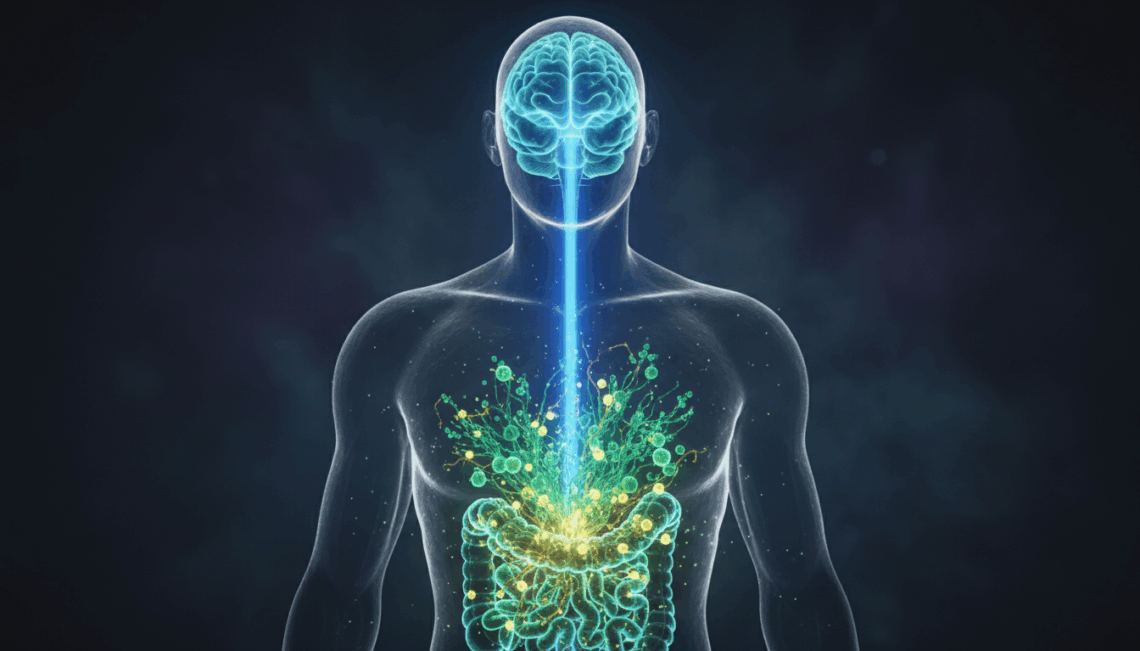
The gut-brain axis is a two-way superhighway of communication. When your gut is inflamed and out of balance, it can impact your mental clarity and energy levels. If you frequently experience “brain fog,” have trouble concentrating, or feel chronically fatigued, it could be a signal from your gut that it needs support.
How to Restore Gut Harmony for Better Health
The good news is that you are not powerless. You can take concrete steps to rebalance your gut microbiome, calm the cravings, and support your overall health. It involves a multi-faceted approach that nourishes the good microbes and discourages the bad ones.
Start with Your Diet
The most powerful tool you have is your fork. Focus on reducing your intake of sugar, processed foods, and refined carbohydrates, which feed the undesirable microbes. Instead, build your diet around whole, nutrient-dense foods. Fiber is especially crucial; it acts as a prebiotic, which is food for your beneficial bacteria. Load up on vegetables, fruits, legumes, and whole grains.
The Power of Probiotics and Prebiotics
Probiotics are the beneficial bacteria themselves, while prebiotics are the food that helps them thrive. You can get probiotics from fermented foods like yogurt, kefir, sauerkraut, and kimchi. However, to get a therapeutic dose of specific, beneficial strains, many people turn to supplements.
A Targeted Approach to Gut Wellness
While dietary changes are the foundation, sometimes your gut needs more targeted support to effectively shift the balance. Restoring harmony can be difficult when an overgrowth of yeast or harmful bacteria is actively working against you. This is where a carefully formulated supplement can provide the reinforcement your body needs.
PrimeBiome is a dietary supplement designed specifically to address this challenge. Its formula is built around supporting a balanced gut environment. It combines key ingredients like Konjac Root, which is a powerful prebiotic fiber, with a blend of beneficial probiotic bacteria (L. Acidophilus, L. Rhamnosus, L. Plantarum) known for their ability to promote digestive health. By providing both the “good seeds” (probiotics) and the “fertilizer” (prebiotics), PrimeBiome offers a comprehensive approach to helping your gut ecosystem flourish, which is a key step in managing the factors that contribute to cravings and bloating.
Take Back Control of Your Health
Understanding the link between your gut health and uncontrollable cravings is the first step toward lasting change. It reframes the problem from a battle of willpower to a question of biology. By focusing on nourishing your gut, you are addressing the potential root cause of your struggles with weight, cravings, and low energy. You are creating an internal environment that works with you, not against you.
Making these changes can empower you to finally break free from the cycle of cravings and frustration and move toward a healthier, more balanced life. As with any new health regimen, it is always wise to consult with a healthcare professional to ensure it aligns with your individual needs.
Frequently Asked Questions (FAQ)
Can gut health really affect my mood?
Absolutely. The gut is often called the “second brain” because it produces many of the same neurotransmitters as the brain does, including serotonin (the “feel-good” chemical). An imbalanced gut can disrupt this production, potentially impacting mood and mental well-being.
How long does it take to improve gut health?
The timeline for improving gut health varies for everyone. Some people may notice positive changes in digestion within a few days of making dietary changes or starting a supplement, while for others, it may take several weeks or months to achieve significant rebalancing. Consistency is key.
Is this relevant for men and women?
Yes. While hormonal differences can play a role in cravings and metabolism, the fundamental principles of the gut microbiome apply to everyone. Supporting gut health is a cornerstone of overall wellness for all genders.