
The Unseen Battle: What Is Stubborn Fat?
First, it’s crucial to understand that not all fat is created equal. The fat you’re struggling with, often found on the abdomen, hips, thighs, and lower back, is physiologically different from the fat elsewhere on your body. This is primarily subcutaneous fat, which lies just beneath the skin.
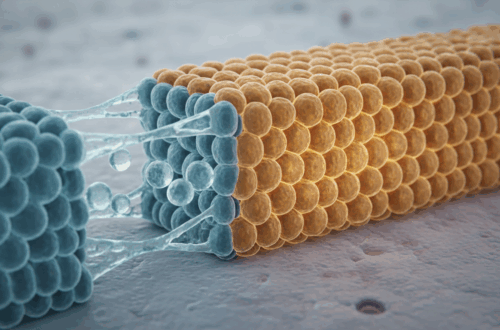
While a certain amount of fat is essential for hormonal function, insulation, and energy storage, stubborn fat has a higher density of specific receptors that make it resistant to being burned for fuel. It’s a biological defense mechanism, a remnant of our evolutionary past when storing energy was key to survival. Unfortunately, in today’s world, this survival trait has become a source of immense frustration.
The Science of Fat Cells: Alpha vs. Beta Receptors
Imagine your fat cells have two types of light switches: Alpha-2 receptors (the “off” switch) and Beta-2 receptors (the “on” switch). Beta-2 receptors respond to hormones like adrenaline, signaling the fat cell to release its stored energy (fatty acids) into the bloodstream to be burned. This is how fat loss happens.
However, Alpha-2 receptors do the opposite. They tell the fat cell to hold onto its energy. The areas of your body with stubborn fat have a much higher concentration of Alpha-2 receptors compared to Beta-2 receptors. This means that even when your body is in a fat-burning state, these specific areas are getting a loud and clear signal to stay locked down. This is a primary reason you might see fat loss in your face and arms before you see any change in your belly.
Hormonal Havoc: The Hidden Driver of Stubborn Fat
Hormones are chemical messengers that control most of your body’s major functions, including fat storage. An imbalance can make the fight against stubborn fat feel like an uphill battle.
- Cortisol: Known as the “stress hormone,” chronically elevated cortisol levels can encourage the body to store visceral fat, the dangerous type of fat deep within the abdominal cavity. High stress directly contributes to the accumulation of stubborn belly fat.
- Insulin: This hormone manages your blood sugar. A diet high in processed carbohydrates can lead to insulin resistance, a condition where your cells don’t respond properly to insulin. This results in higher insulin levels, which promotes fat storage, particularly in the midsection.
- Estrogen: In both men and women, an imbalance in estrogen levels can lead to increased fat storage in the hips and thighs for women, and the chest and abdomen for men.
Is Your Metabolism Working Against You?
Years of dieting can sometimes lead to metabolic adaptation, where your body becomes more efficient and burns fewer calories than it used to. Furthermore, the health of your mitochondria—the tiny powerhouses within your cells—plays a critical role. Mitochondria are responsible for converting fat and sugar into usable energy. If their function is impaired due to aging, poor diet, or a sedentary lifestyle, your body’s ability to burn fat effectively is significantly reduced.
When mitochondrial health declines, your cells struggle to get the energy they need, and your body is more likely to store incoming calories as fat rather than burn them. This cellular-level inefficiency is a key reason why you might experience stubborn fat despite diet and exercise, as the very machinery for burning fat isn’t operating at full capacity.

Beyond Calories: Holistic Strategies for Stubborn Fat
While you can’t “spot reduce” fat through exercise alone, a multi-faceted approach can help shift the hormonal and metabolic environment in your favor. It’s important to focus on overall health and allow your body to respond naturally. Always consult with a healthcare professional before making significant changes to your diet or exercise routine.
Targeted Training Approaches
Instead of endless, steady-state cardio, consider incorporating different types of training to challenge your body and improve its hormonal response.
- High-Intensity Interval Training (HIIT): HIIT involves short bursts of all-out effort followed by brief recovery periods. This type of training has been shown to improve insulin sensitivity and boost fat-burning hormones more effectively than traditional cardio.
- Strength Training: Building muscle is one of the most effective ways to boost your overall metabolic rate. More muscle means your body burns more calories at rest, which helps in reducing overall body fat over time.
Nutritional Tweaks for Hormonal Balance
What you eat has a profound impact on the hormones that control fat storage. Focus on whole, unprocessed foods to create a supportive nutritional environment.
- Prioritize Protein and Fiber: Both protein and fiber help with satiety, keeping you full and reducing overall calorie intake. They also help stabilize blood sugar levels, preventing the insulin spikes that promote fat storage.
- Healthy Fats: Incorporate sources of healthy fats like avocados, nuts, seeds, and olive oil. These fats are crucial for producing hormones and can help reduce inflammation.
The Importance of Sleep and Stress Management
Never underestimate the power of rest. A lack of quality sleep (7-9 hours per night) can increase cortisol and disrupt appetite-regulating hormones, leading to cravings for high-calorie foods and increased fat storage. Similarly, chronic stress needs to be managed. Practices like meditation, yoga, deep breathing, or even just taking a walk in nature can help lower cortisol levels and support your fat loss goals.
A New Approach: Supporting Fat Metabolism Topically
Even with a perfect lifestyle, the high concentration of Alpha-2 receptors in stubborn areas can make them the last to go. This has led to scientific exploration of new methods to support fat metabolism directly where it’s needed most.
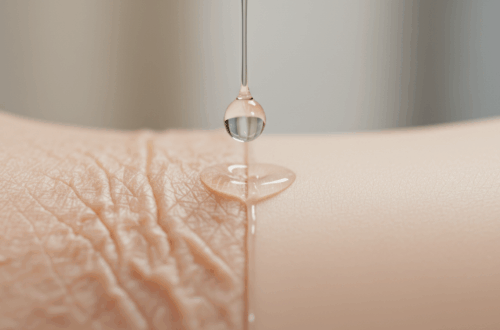
The concept of a topical serum is to deliver specific, science-backed ingredients through the skin to the subcutaneous fat layers. These formulations are designed to help support the cellular processes involved in fat metabolism. One such product gaining attention is Mitolyn.
Mitolyn is a slimming serum formulated to address the core issues of stubborn fat. Its approach is based on supporting mitochondrial health and improving the signaling that tells fat cells to release their contents. By applying the serum directly to areas like the belly, thighs, or arms, the goal is to provide targeted support that complements your existing diet and exercise efforts. It works with your body’s natural systems to help encourage the breakdown of fat in areas that have been historically resistant.
Conclusion: It’s Biology, Not a Lack of Willpower
The key takeaway is that your struggle with stubborn fat despite diet and exercise is not a reflection of your effort or discipline. It is a complex biological issue involving hormonal signals, specific cellular receptors, and metabolic health. By adopting a holistic strategy that includes smart training, balanced nutrition, stress management, and adequate sleep, you create an environment where your body is more willing to let go of stored fat. For those seeking additional support, targeted solutions like Mitolyn may offer a complementary approach to help you finally overcome those frustrating plateaus.