Unraveling the Mystery of an Unsettled System
Do you ever feel like your body is working against you? Perhaps you’re dealing with persistent bloating that makes you uncomfortable in your own clothes, or maybe it’s the stubborn weight that won’t budge no matter how carefully you eat. You might even notice skin flare-ups or a lingering sense of fatigue that coffee just can’t seem to fix. If these experiences sound familiar, you’re not alone. These seemingly disconnected issues can sometimes point to an underlying imbalance in your gut. Understanding the signs of a leaky gut is the first step toward reclaiming your digestive wellness and overall vitality.
The term “leaky gut” might sound strange, but it describes a condition that researchers are increasingly linking to a wide range of health concerns. It’s not about a literal hole, but rather about the integrity of your intestinal lining. Getting to the root of these symptoms is crucial for long-term health, and it starts with listening to the signals your body is sending.
What Exactly Is Leaky Gut Syndrome?
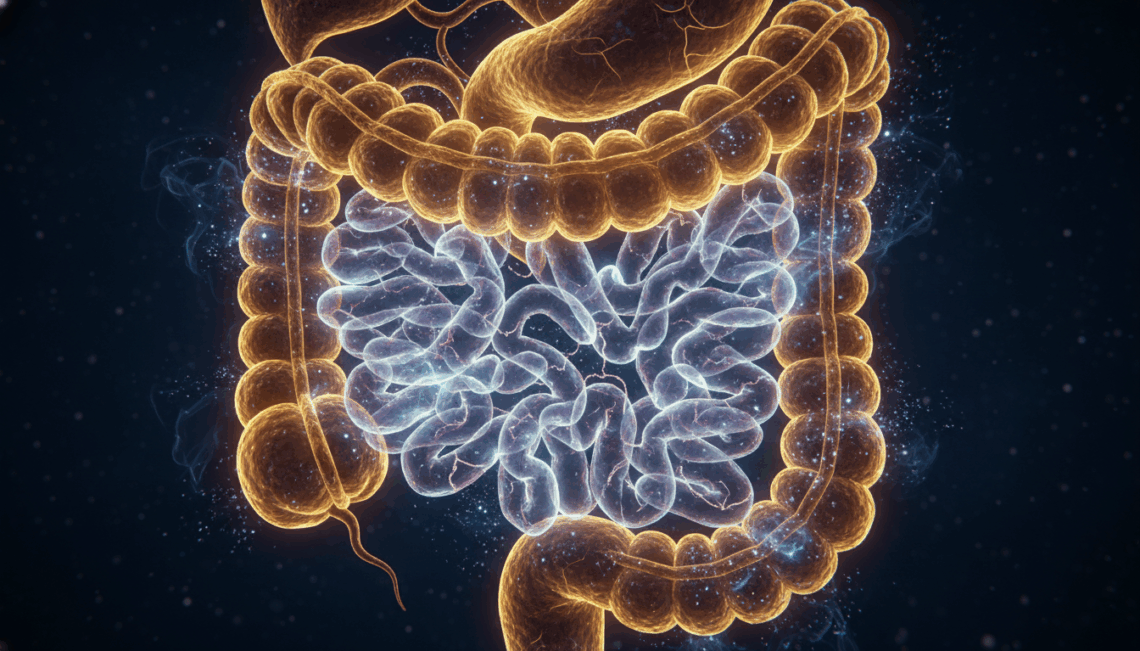
Leaky gut syndrome, medically known as increased intestinal permeability, refers to a condition where the lining of your small intestine becomes damaged. Think of this lining as a tightly controlled gatekeeper. It’s made up of a wall of cells joined by structures called “tight junctions.” In a healthy gut, these junctions stay closed, allowing only properly digested nutrients, minerals, and water to pass through into your bloodstream.
However, when these tight junctions loosen, the “gate” becomes faulty. Undigested food particles, harmful bacteria, and toxins can “leak” from your intestines directly into your bloodstream. When your immune system detects these foreign invaders, it launches an inflammatory response. This chronic, low-grade inflammation is believed to be the root cause of many of the symptoms associated with the condition.
The Most Common Signs of a Leaky Gut You Shouldn’t Ignore
Because a leaky gut can trigger a system-wide inflammatory response, its symptoms can appear all over the body, not just in your digestive tract. This is why it’s often overlooked or misdiagnosed. Here are some of the key indicators to watch for. It’s important to remember that these symptoms can also be related to other conditions, so consulting with a healthcare professional for a proper diagnosis is always recommended.
1. Chronic Digestive Issues
This is often the most direct sign. If your gut lining is compromised, it makes sense that you’d feel it there first. Common symptoms include:
- Persistent Bloating: Feeling puffy and full, especially after meals.
- Excessive Gas: Uncomfortable and frequent gas that seems unrelated to specific foods.
- Diarrhea or Constipation: Fluctuating bowel habits are a strong indicator of an imbalanced gut.
- General Abdominal Pain: A constant, dull ache or cramping in your stomach.
2. Unexplained Weight Gain or Difficulty Losing Weight
The connection between gut health and weight is a critical one. Leaky gut can contribute to weight gain through several mechanisms. Chronic inflammation can interfere with hormones that regulate appetite and fat storage, leading to increased cravings and a slower metabolism. Furthermore, an imbalanced gut microbiome can affect how your body extracts calories from food, potentially leading to more fat being stored.
3. Skin Problems (The Gut-Skin Axis)
Your skin is often a mirror of your internal health. The “gut-skin axis” is the well-documented connection between your digestive system and your skin. When toxins and inflammatory proteins leak from the gut, they can travel through the bloodstream and trigger inflammatory responses in the skin, leading to conditions like:
- Acne
- Eczema
- Psoriasis
- Rosacea
4. Persistent Fatigue and Brain Fog
Do you feel tired all the time, even after a full night’s sleep? Leaky gut might be a contributing factor. The inflammation it causes requires a tremendous amount of energy from your body, leaving you feeling drained. Additionally, the condition can impair your ability to absorb essential nutrients like Vitamin B12 and magnesium, both of which are vital for energy production. This can also lead to “brain fog,” a feeling of mental cloudiness, difficulty concentrating, and poor memory.

What Causes the Intestinal Lining to Become Permeable?
Several factors in our modern lifestyle can contribute to the breakdown of the intestinal wall. Understanding these triggers is key to addressing the problem effectively.
Poor Diet
A diet high in processed foods, sugar, and unhealthy fats can promote the growth of harmful gut bacteria. These bacteria produce toxins that can damage the intestinal lining. A low-fiber diet is also problematic, as fiber is the primary food source for the beneficial bacteria that protect your gut.
Chronic Stress
Long-term stress is a major enemy of gut health. It can weaken your immune system and decrease blood flow to your digestive organs, making the intestinal lining more vulnerable to damage and increasing permeability.
Imbalance in Gut Bacteria (Dysbiosis)
Your gut is home to trillions of bacteria, both good and bad. A healthy balance is crucial. Factors like antibiotic use, illness, or a poor diet can disrupt this balance, a condition known as dysbiosis. When harmful bacteria outnumber the beneficial ones, they can directly contribute to the degradation of the gut lining.
How to Start Healing Your Gut Naturally
Addressing the signs of a leaky gut involves a holistic approach focused on removing triggers and providing your body with the building blocks it needs to repair itself. While it’s always best to work with a healthcare provider, here are some foundational strategies.
Focus on a Gut-Friendly Diet
Start by reducing or eliminating inflammatory foods like sugar, processed snacks, and refined carbohydrates. Instead, focus on whole foods rich in fiber and nutrients, such as fruits, vegetables, lean proteins, and healthy fats. Fermented foods like yogurt, kefir, and kimchi are excellent sources of natural probiotics.
The Power of Probiotics, Prebiotics, and Postbiotics
This trio is fundamental to a healthy gut microbiome. Probiotics are the beneficial live bacteria that help maintain balance. Prebiotics are specific types of fiber that feed these good bacteria, helping them thrive. Postbiotics are the beneficial compounds that probiotics produce, which help regulate inflammation and support the gut lining.
A Comprehensive Approach to Restoring Gut Health
While diet and lifestyle changes are the cornerstone of improving gut health, it can sometimes be challenging to get all the necessary components from food alone. This is where a targeted supplement can provide comprehensive support. The goal is to find a solution that doesn’t just add good bacteria but also nourishes them and provides the compounds needed to repair the gut lining.
Products like PrimeBiome are formulated with this multi-faceted approach in mind. By combining prebiotics, probiotics, and postbiotics, it offers a complete system to help rebalance the gut microbiome, support the integrity of the intestinal wall, and address the inflammatory responses that cause so many uncomfortable symptoms. This synergistic blend helps tackle the root causes of leaky gut, rather than just masking the symptoms.
Conclusion: Taking Control of Your Digestive Wellness
Recognizing the signs of a leaky gut is the most important step you can take toward improving your health. What might seem like isolated issues—bloating, fatigue, skin problems, or weight gain—can all be interconnected through the health of your intestinal lining. By addressing the root causes through diet, stress management, and comprehensive nutritional support, you can begin the process of repairing your gut and, in turn, transforming your overall well-being. Listening to your body is key, and taking proactive steps to support your gut health is an investment that pays dividends for years to come.