
Do you ever feel a sense of fatigue that sleep doesn’t seem to fix? Or perhaps you’ve noticed your skin doesn’t have the same bounce it used to, and recovery from a simple workout takes longer than before. These aren’t just random signs of getting older; they are often direct signs of cellular aging. This process happens deep within our bodies, long before we see the results in the mirror. Understanding what’s happening at the cellular level is the first step toward reclaiming your vitality and supporting your body’s healthspan.
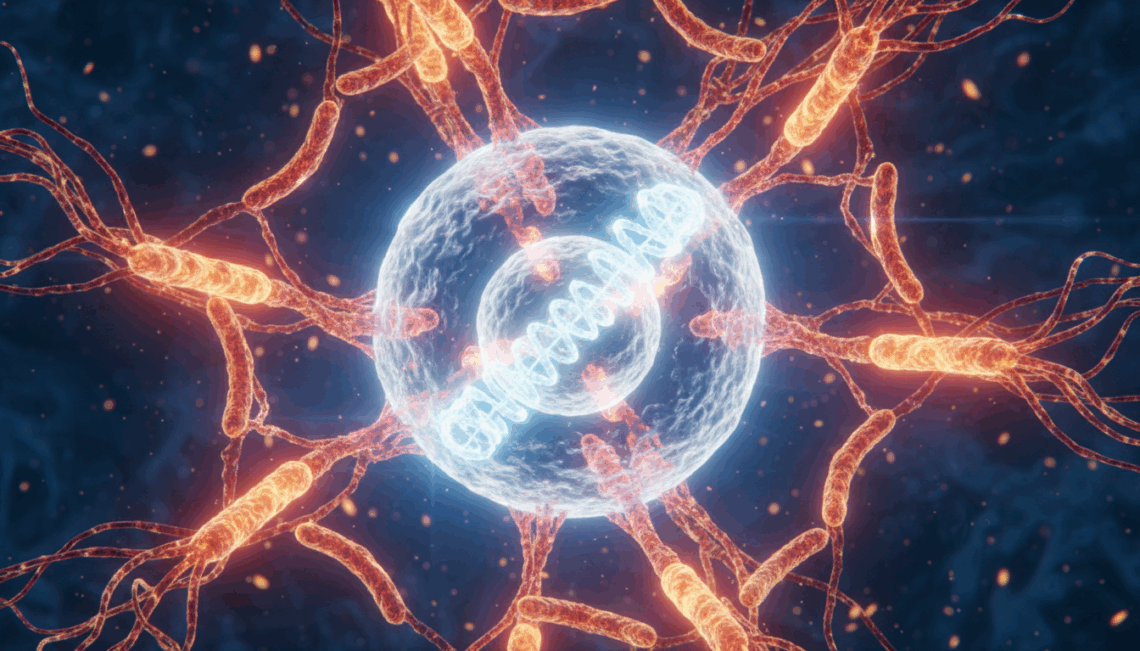
Cellular aging is a complex biological process where our cells gradually lose their ability to function optimally. It’s driven by factors like oxidative stress, DNA damage, and, most importantly, a decline in mitochondrial health. Mitochondria are the tiny powerhouses in our cells responsible for generating over 90% of the energy our bodies need to live and thrive. When they slow down, everything else does too. This article will explore the key signs of cellular aging, discuss the science behind why it happens, and cover actionable strategies to help you support your cellular health from the inside out.
What Exactly Is Cellular Aging?
To understand the signs of cellular aging, we first need to grasp the concept itself. Imagine your body is a bustling city. Your cells are the buildings, and inside each building are power plants—the mitochondria. When you’re young, these power plants run at peak efficiency, providing abundant energy for everything from thinking and moving to repairing skin and fighting off illness.
Over time, these power plants start to wear down. This decline is caused by several factors:
- Oxidative Stress: Just like a power plant creates pollution, our mitochondria produce byproducts called free radicals. When there’s an imbalance between free radicals and the antioxidants that neutralize them, it creates oxidative stress, which damages the cell.
- Mitochondrial Dysfunction: As mitochondria get damaged, they become less efficient at producing energy and start to create even more harmful free radicals. This creates a vicious cycle that accelerates cellular decline.
- Accumulation of Cellular Waste: Healthy cells have a sophisticated recycling system to clear out damaged components. With age, this system can become sluggish, leading to a buildup of “cellular sludge” that further impairs function.
When this process happens on a massive scale, we begin to experience the classic symptoms we associate with aging. It’s not just about the number of birthdays you’ve had; it’s about the health and vitality of your cells.
Key Signs of Cellular Aging You Shouldn’t Ignore
The effects of cellular aging aren’t isolated. They manifest across your entire body in ways you can see and feel. Recognizing these signs is crucial because it allows you to take proactive steps to address the root cause.
1. Persistent Fatigue and Low Energy
This is often the most common and noticeable symptom. It’s not the kind of tiredness you feel after a long day, but a deep, persistent lack of energy that lingers. Because your mitochondria are failing to produce enough ATP (the body’s energy currency), your muscles, brain, and organs are all running on a low battery. This can make it difficult to get through the day, stay motivated, or engage in activities you once enjoyed.
2. Visible Changes in Your Skin
Your skin is one of the first places to show the signs of cellular aging. When skin cells lack the energy to repair themselves and produce vital proteins like collagen and elastin, the results are clear. This can manifest as:
- Fine lines and wrinkles: A direct result of decreased collagen production.
- Dullness or lack of radiance: Slower cell turnover means dead skin cells linger on the surface longer.
- Loss of firmness and elasticity: The skin’s underlying structure weakens without sufficient cellular energy.
3. Slower Recovery and Metabolism
Have you noticed that it takes longer to bounce back from exercise? Or that maintaining your weight has become more challenging, even without significant changes to your diet? Both are classic signs of cellular aging. Your muscle cells require immense energy to repair themselves after physical activity. When mitochondrial function declines, this repair process slows down significantly. Similarly, your metabolic rate is closely tied to your cellular energy production, and a slowdown can make weight management more difficult.
4. Brain Fog and Slower Cognitive Function
Your brain is an energy-hungry organ, consuming about 20% of your body’s total energy. When cellular energy production wanes, your cognitive function can suffer. This might feel like “brain fog,” where you have trouble concentrating, remembering names, or thinking clearly. It’s a sign that your brain cells are not getting the steady supply of energy they need to fire on all cylinders.

Can You Fight Back? Lifestyle Approaches for Cellular Health
While cellular aging is a natural part of life, its pace is not set in stone. The choices you make every day can have a profound impact on your mitochondrial health and overall vitality. Empowering your cells through lifestyle is the foundation of healthy aging.
The Power of an Antioxidant-Rich Diet
Your diet is your first line of defense against the oxidative stress that drives cellular aging. Eating a diet rich in antioxidants helps neutralize free radicals, protecting your mitochondria from damage. Focus on incorporating a wide variety of colorful fruits and vegetables, which are packed with powerful antioxidants.
- Berries, leafy greens, and beets: Excellent sources of polyphenols and other phytonutrients.
- Nuts and seeds: Provide Vitamin E and healthy fats that protect cell membranes.
- Green tea: Contains EGCG, a potent antioxidant known for its protective effects.
Exercise for Mitochondrial Biogenesis
Exercise is one of the most effective ways to tell your body to create new, healthy mitochondria—a process called mitochondrial biogenesis. Both endurance exercise (like jogging or cycling) and high-intensity interval training (HIIT) have been shown to stimulate this process. Regular physical activity not only boosts your energy production but also improves your body’s ability to clear out damaged mitochondria.
The Critical Role of Restorative Sleep
Sleep is when your body’s cellular repair and cleanup crews do their most important work. During deep sleep, your brain clears out metabolic waste, and your cells undergo critical repair processes. Consistently poor sleep deprives your body of this essential maintenance time, accelerating cellular damage. Aim for 7-9 hours of quality, uninterrupted sleep per night to give your cells the best chance to rejuvenate.
A Targeted Approach to Support Your Cells
Lifestyle changes are fundamental, but sometimes your cells need an extra level of support to combat years of accumulated damage. While a healthy diet provides a broad range of nutrients, modern science has identified specific compounds that can directly support mitochondrial function and help the body manage cellular waste.
This is where targeted supplementation can play a powerful role. Formulas designed specifically to address the root causes of cellular decline can complement your healthy habits. For instance, Mitolyn is a product developed to support the body in flushing out the “cellular sludge” that can impair mitochondrial function. By providing a blend of ingredients studied for their effects on cellular health, it aims to help restore the clean, efficient energy production your cells need to thrive.
Using a targeted supplement is not a replacement for a healthy lifestyle, but rather an enhancement. It’s about providing your body with the specific tools it needs to perform its natural cleanup and energy-production processes more effectively, helping you feel more vibrant, clear-headed, and energized.
Conclusion: Taking Control of Your Cellular Health
The signs of cellular aging—from persistent fatigue and brain fog to visible skin changes—are not things you simply have to accept. They are signals from your body telling you that your cellular powerhouses need support. By understanding the processes at play, you can move from a passive observer to an active participant in your health journey.
Start with the foundational pillars: a nutrient-dense diet, regular exercise, and restorative sleep. These habits create an environment where your cells can flourish. Then, consider a targeted approach like Mitolyn to provide specialized support for clearing out cellular waste and boosting mitochondrial function. By combining these strategies, you can effectively address the signs of cellular aging and empower your body to function at its best, regardless of your chronological age.