The Unseen Battle: Why Is Some Fat So Stubborn?
You follow your diet. You stick to your workout routine. You see the numbers on the scale slowly inch down, but that frustrating fat around your belly, hips, or thighs just won’t budge. It’s a common story, and if you’re living it, you know how disheartening it can be. This isn’t about a lack of willpower; it’s about biology. The core of the issue lies deep within your stubborn fat cells and how they are programmed to behave.
Fat cells, or adipocytes, are not all created equal. They have different types of receptors that act like locks and keys, determining whether they release fat (lipolysis) or store it. Think of it as having two types of managers in your body: one that says “release the energy!” and one that says “store it for later!”
- Beta-2 Receptors: These are the “go” signals. When activated, they trigger the release of stored fat to be burned for energy.
- Alpha-2 Receptors: These are the “stop” signals. They inhibit fat release and are much more prevalent in those stubborn areas like the abdomen and lower body.
Areas with stubborn fat simply have a higher concentration of alpha-2 receptors, making them inherently more resistant to letting go of their energy stores. This is a survival mechanism left over from our ancestors, who needed to store energy for times of famine. Unfortunately, in our modern world, this mechanism often works against our health and aesthetic goals.
The Cellular Connection: Are “Zombie Cells” to Blame?
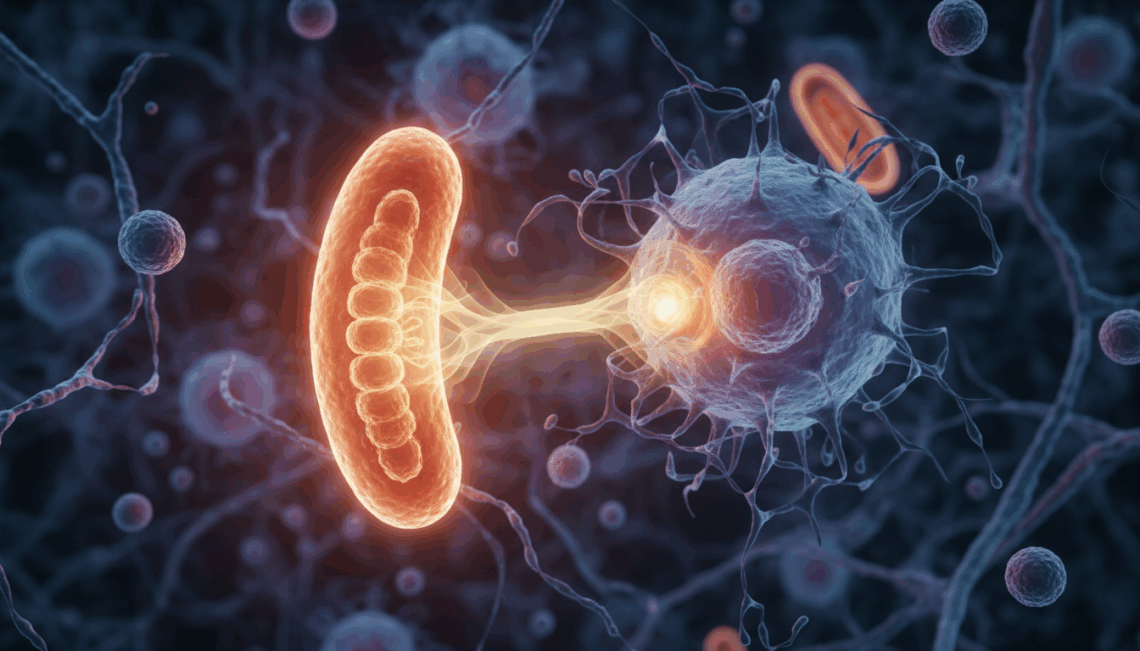
Beyond receptors, emerging science is pointing to another culprit that could be making weight loss feel impossible: cellular senescence, often talked about in terms of “zombie cells.” This is a natural process where cells stop dividing but don’t die off. Instead, they linger in the body like tiny, dysfunctional freeloaders.
These senescent cells, including stubborn fat cells, can cause a host of problems. They release inflammatory signals that can disrupt the normal function of the healthy cells around them. In the context of fat tissue, this can lead to:
- Metabolic Slowdown: Zombie cells are metabolically dysfunctional. They don’t process energy efficiently and can contribute to insulin resistance, making it even harder for your body to burn fat.
- Increased Fat Storage: They hoard fat and inflammatory molecules, essentially creating a toxic microenvironment that encourages more fat storage in the surrounding tissue.
- Hormonal Imbalance: The chronic inflammation they cause can interfere with hormones that regulate appetite and fat metabolism, such as leptin and adiponectin.
Essentially, the more of these dysfunctional zombie cells you have, the more your body’s internal fat-burning machinery gets jammed. This could be the hidden reason why your best efforts at diet and exercise seem to yield minimal results in those specific areas.

Lifestyle Strategies to Support Cellular Health and Combat Stubborn Fat
While the concept of zombie cells can sound intimidating, the good news is that you are not powerless. A holistic approach focusing on lifestyle, nutrition, and strategic exercise can significantly improve your cellular health and help your body become a more efficient fat-burning machine. The goal is to create an environment where stubborn fat cells are encouraged to finally let go of their stores.
Nutritional Approaches for Cellular Renewal
Your diet is one of the most powerful tools for influencing cellular behavior. Certain foods are packed with compounds that can help manage inflammation and support the body’s natural cleanup processes (autophagy).
- Focus on Polyphenols: These are powerful antioxidants found in colorful plants. Think berries, green tea, dark chocolate, and leafy greens. They help protect cells from stress and inflammation.
- Embrace Healthy Fats: Omega-3 fatty acids, found in fatty fish like salmon, as well as in flaxseeds and walnuts, are crucial for building healthy cell membranes and reducing the inflammation caused by senescent cells.
- Prioritize Lean Protein: Adequate protein intake is essential for maintaining muscle mass, especially during weight loss. Muscle is your body’s primary metabolic engine, and keeping it active helps burn more fat overall.
- Limit Sugar and Processed Foods: High sugar intake is a primary driver of inflammation and insulin resistance, creating the perfect storm for fat storage and cellular dysfunction.
The Critical Role of Smart Exercise
Not all exercise is created equal when it comes to targeting stubborn fat. While all movement is beneficial, a combination of different modalities can be particularly effective.
- High-Intensity Interval Training (HIIT): HIIT involves short bursts of all-out effort followed by brief recovery periods. This type of training is incredibly effective at boosting metabolism and increasing the production of hormones that promote fat release from all over the body, including stubborn areas.
- Strength Training: Building lean muscle is non-negotiable. The more muscle you have, the more calories your body burns at rest. This changes your overall metabolic environment, making it less hospitable for fat storage.
- Strategic Fasted Cardio: Some studies suggest that performing moderate-intensity cardio in a fasted state (like in the morning before breakfast) may help increase blood flow to abdominal areas, potentially allowing the body to tap into those stubborn fat stores more easily.
An Innovative Approach to Supporting Your Goals
Building a foundation of healthy nutrition and consistent exercise is the most important step you can take. It’s the proven path to long-term success. As you build these habits, you might also be interested in innovative research into how specific natural compounds can support this journey at a cellular level.
Scientists are exploring how certain plant-based ingredients may help the body manage senescent cells and support mitochondrial health, which is crucial for energy production. This is where products inspired by this cutting-edge research come in. One such product is Mitolyn, a formula designed with ingredients that are thought to support the body in its fight against metabolically sluggish “zombie” cells.
By providing targeted support for cellular health, a solution like Mitolyn aims to complement your diet and exercise efforts, potentially helping your body’s natural fat-burning systems to work more effectively. It’s not a magic pill, but rather a tool designed to work with your body’s biology to help you overcome the unique challenges posed by stubborn fat cells.
Frequently Asked Questions (FAQ)
Why is belly fat more stubborn than other fat?
Belly fat, technically known as visceral and subcutaneous abdominal fat, has a higher density of alpha-2 receptors compared to other areas. As explained earlier, these receptors inhibit fat release, making it biologically more resistant to being burned for energy compared to fat on your arms or face, for example.
Can you spot-reduce stubborn fat?
Unfortunately, the idea of spot reduction (losing fat in one specific area by exercising it) is a myth. You cannot do crunches to burn belly fat. Fat loss occurs systemically, meaning your body draws energy from all over. The best strategy is to focus on overall fat loss through diet and a comprehensive exercise program, which will eventually reduce fat in your stubborn areas as well.
How long does it take to lose stubborn fat?
This varies greatly from person to person and depends on genetics, diet, consistency, and the intensity of your exercise routine. Because these areas are the last to go, it requires patience and persistence. Generally, you will see fat loss in other areas first before your body starts to tap into its most resistant stores.
Is this a problem for both men and women?
Yes, but it manifests differently. Men tend to accumulate stubborn fat primarily in the abdominal region and love handles. Women often store it in the hips, thighs, and lower belly, especially due to hormonal factors related to childbearing.
Important Medical Disclaimer
The information provided in this article is for educational purposes only and should not be considered medical advice. Always consult with a qualified healthcare professional before beginning any new diet, exercise program, or dietary supplement. Individual results may vary.