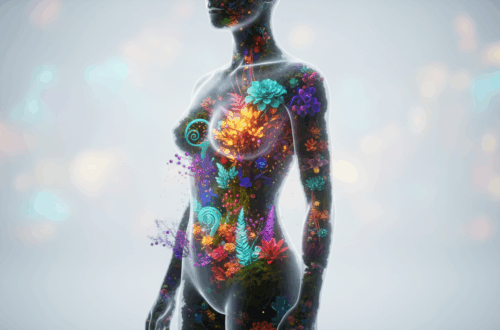

Is Your Body Working Against You?
You follow the rules. You choose the salad over the fries, you dutifully log your time on the treadmill, and you drink plenty of water. Yet, the scale refuses to budge, and an unshakeable feeling of fatigue follows you around like a shadow. It’s a frustrating, often isolating experience that can make you question if you’re doing something wrong. But what if the issue isn’t a lack of willpower, but a deeper, biological process that has slowed to a crawl? What if you’re experiencing the subtle, often missed signs of a slow metabolism?
Metabolism is the complex process of converting food and drink into energy. When it’s firing on all cylinders, you feel energetic, maintain a healthy weight, and feel generally well. But when it slows down, your body burns fewer calories, which can lead to a cascade of unwelcome effects. Understanding these signs is the first step toward addressing the root cause of your frustration.
1. Persistent and Unexplained Fatigue
One of the most common yet overlooked signs of a slow metabolism is persistent fatigue. This isn’t just feeling tired after a long day; it’s a deep, cellular exhaustion that a good night’s sleep can’t seem to fix. Your body’s energy production happens within tiny powerhouses in your cells called mitochondria. When your metabolism is slow, these mitochondria aren’t converting fuel into energy efficiently. The result? Your body is essentially running on a low battery, making it a struggle to get through the day, let alone find the energy for a workout.
Why It Happens at a Cellular Level
Think of your mitochondria as tiny engines. They need the right fuel and maintenance to run smoothly. Factors like age, diet, and stress can impact their function. A sluggish metabolism often means these cellular engines are sputtering, leading to less energy output for the same amount of fuel. This inefficiency is what you experience as nagging tiredness.
2. Stubborn Weight Gain (Especially Around the Midsection)
This is perhaps the most frustrating sign. You’re eating mindfully and staying active, but you’re still gaining weight, or at the very least, you cannot lose it. A slow metabolism means your body’s baseline calorie-burning rate (your Basal Metabolic Rate, or BMR) is lower than it should be. Consequently, your body requires fewer calories to perform its basic functions, and the excess is more readily stored as fat, particularly in the abdominal area.
If you feel like you gain weight just by looking at a dessert, it’s a strong indicator that your metabolic rate is not keeping pace with your lifestyle. Your body has become incredibly efficient at storing energy rather than burning it.

3. Feeling Cold More Often Than Others
Do you find yourself reaching for a sweater when everyone else in the room seems comfortable? Constantly feeling chilly can be another clue. The process of burning calories generates heat and helps regulate your body temperature. When your metabolism is sluggish, your body isn’t burning fuel at an optimal rate, which means it’s producing less heat. This internal thermostat malfunction can leave you with cold hands and feet and a general sensitivity to cooler temperatures.
4. Dull Skin, Brittle Nails, and Hair Thinning
Your body is smart. When it’s running on a low-energy budget, it prioritizes essential functions like breathing and circulation over non-essential ones like robust hair and nail growth. A slow metabolism can impair the delivery of vital nutrients and oxygen to your skin cells, hair follicles, and nail beds. This can manifest as:
- Skin: It may become dry, flaky, and lose its radiant glow.
- Hair: You might notice increased shedding, slower growth, or a lack of luster.
- Nails: They can become brittle, weak, and prone to breaking.
These outward signs are often a direct reflection of your internal metabolic health. When the cellular engines are slow, cosmetic maintenance is one of the first things to be deprioritized.
5. Unrelenting Sugar and Carbohydrate Cravings
This sign often creates a vicious cycle. When your cells are not efficiently converting food into energy, they send desperate signals to your brain for a quick energy source. And what’s the quickest source of energy? Sugar and simple carbohydrates. This leads to intense cravings that are difficult to ignore. You reach for the sugary snack for a temporary boost, which causes a spike in blood sugar, followed by a crash that leaves you feeling even more tired and craving more sugar. This cycle can sabotage your healthy eating efforts and is one of the classic signs of a slow metabolism at work.
What Can You Do to Support Your Metabolism?
Recognizing these signs is the first, most crucial step. While you should always consult a healthcare professional to rule out any underlying medical conditions, there are lifestyle approaches and targeted nutritional strategies that can help support your body’s metabolic machinery. Focusing on the health of your mitochondria—the cellular powerhouses—is key.
A balanced approach often includes:
- Strength Training: Building muscle mass increases your resting metabolic rate.
- Adequate Protein Intake: Protein has a higher thermic effect of food (TEF) than fats or carbs, meaning your body burns more calories digesting it.
- Quality Sleep: Poor sleep can significantly disrupt the hormones that regulate metabolism.
- Targeted Nutrients: Certain natural compounds and plant extracts have been studied for their role in supporting mitochondrial health and metabolic function.
It’s this last point where targeted support can become a game-changer for those who feel stuck. For individuals experiencing the frustrating signs of a slow metabolism, a supplement designed to nourish cellular health might offer a complementary strategy to diet and exercise. Mitolyn is formulated with a blend of ingredients specifically chosen for their researched potential to support mitochondrial function and a healthy metabolism.
By addressing the issue at the cellular level, Mitolyn aims to support the very foundation of your body’s energy production system. It’s designed not as a magic fix, but as a tool to help your body’s engines run more efficiently, potentially making your diet and exercise efforts more effective.
Frequently Asked Questions
Can I speed up my metabolism overnight?
Metabolic changes take time and consistency. There are no overnight fixes. A sustainable approach combining diet, exercise, and potentially targeted supplements is more effective than searching for a quick solution.
Is my age the only reason for my slow metabolism?
While metabolism naturally slows with age, other factors like genetics, hormone levels, sleep patterns, and physical activity play a significant role. You have control over many of these factors.
Should I talk to a doctor about these symptoms?
Absolutely. While these can be signs of a slow metabolism, they can also indicate other health conditions. It is crucial to consult with a healthcare professional for a proper diagnosis and personalized advice before starting any new supplement or major lifestyle change. This article is for informational purposes only and does not constitute medical advice.