The Real Reason You Have Cellulite Dimples
It’s a frustration countless people experience. You maintain a healthy lifestyle, you exercise, you watch your diet, but you still see those persistent dimples on your thighs, buttocks, or abdomen. This completely normal and incredibly common skin feature, known as cellulite, can often be a source of self-consciousness. But have you ever stopped to wonder what causes cellulite dimples on a deeper, structural level? It’s far more complex than just being about weight.
Understanding the science behind why your skin has this texture is the first step toward feeling empowered and finding an approach that can actually make a difference. This isn’t about chasing an unrealistic ideal; it’s about giving your skin the support it needs to look and feel its best. We are going to explore the biological reasons for cellulite and discuss effective, science-backed strategies to help you achieve a smoother, firmer skin appearance.
Deconstructing the Dimple: What’s Happening Beneath the Surface?
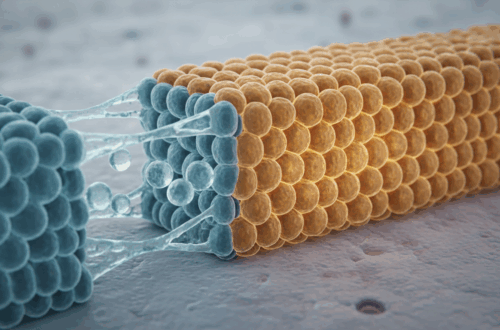
To understand cellulite, you have to visualize what’s happening in the layers beneath your skin. Imagine a mattress. The top, soft layer is your skin and the fatty tissue right below it. The buttons that pull the fabric down, creating those little indentations, are like fibrous cords in your body called septae.
Here’s a simple breakdown:
- The Fat Layer: Everyone has a layer of subcutaneous fat between their skin and muscles. This is normal and healthy.
- The Connective Tissues (Septae): Running through this fat layer are fibrous, collagen-rich cords that connect your skin to the deeper muscle tissue.
- The “Push and Pull” Effect: In individuals prone to cellulite, these fibrous cords are often arranged vertically. As fat cells expand (which can happen for many reasons, not just weight gain), they push upward against the skin. Meanwhile, these strong, inflexible cords continue to pull the skin down. This “push and pull” tension is what creates the signature dimpled or “orange-peel” appearance on the surface.
This is why even very lean individuals can have cellulite. It’s less about the amount of fat you have and more about the structure of these connective tissues beneath your skin. In men, these cords are often arranged in a crisscross pattern, which is why they are less likely to develop visible cellulite.
Key Factors That Influence Cellulite Formation
While the structural cause is the same for everyone, several factors can determine the visibility and severity of your cellulite dimples. These include:
- Genetics: Your genes play a significant role in determining your skin’s structure, elasticity, and the way your body stores fat. If your mother and grandmother had cellulite, you have a higher likelihood of developing it.
- Hormones: Hormones like estrogen are thought to play a part in the development of cellulite. Estrogen can influence the production of collagen and the way fat is stored, which is why cellulite often becomes more noticeable after puberty and can fluctuate during pregnancy or menopause.
- Age: As we age, our skin naturally loses elasticity and becomes thinner. The collagen that makes up the connective septae can also become stiffer. This combination of thinner skin and more rigid cords can make the underlying dimples much more visible.
- Lifestyle: While not a direct cause, factors like a sedentary lifestyle can affect circulation and muscle tone, potentially making cellulite more apparent. A diet high in processed foods and sugar can also contribute to inflammation, which may impact skin health.

Effective Strategies for a Smoother Skin Appearance
Now that you understand what causes cellulite dimples, you can move past the myths and focus on what truly works. A comprehensive approach that addresses skin health, muscle tone, and circulation is the most effective path forward. Blaming yourself for a structural, genetic issue is counterproductive. Instead, let’s focus on proactive steps.
1. Prioritize Strength Training
While cardiovascular exercise is excellent for overall health, strength training is particularly effective for improving the appearance of cellulite. When you build lean muscle in your legs, glutes, and core, you are essentially creating a stronger, smoother foundation beneath the fat layer. This can help “push out” the dimples from below, leading to a firmer and more toned look. Focus on compound movements like squats, lunges, and deadlifts.
2. Stay Hydrated and Eat a Nutrient-Rich Diet
Proper hydration is crucial for healthy, plump skin. Dehydrated skin is thinner and less elastic, which can make cellulite look more pronounced. Aim to drink plenty of water throughout the day. Additionally, a diet rich in antioxidants, vitamins (especially Vitamin C), and lean proteins can support collagen production and overall skin health. Foods like berries, leafy greens, citrus fruits, and fish are excellent choices.
3. Consider a Targeted Topical Approach
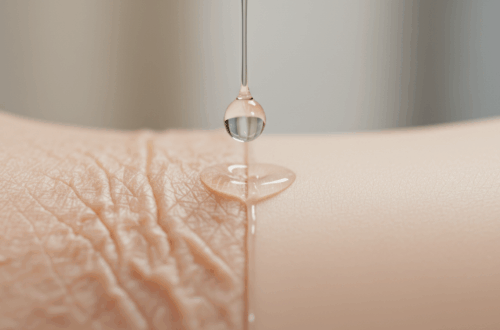
This is where modern skincare science comes into play. While no cream is a magic cure, a high-quality, targeted serum can make a noticeable difference by addressing the issue directly at the skin’s surface. The goal of a topical solution is to support skin elasticity and firmness, which helps counteract the downward pull of the fibrous cords.
Formulations designed to improve the appearance of cellulite often contain ingredients that support hydration, skin tone, and texture. When applied consistently, a dedicated serum can be a powerful part of your routine. Products like Mitolyn are specifically engineered with this goal in mind, offering a concentrated approach to help you achieve that smoother look you desire. It works in synergy with your healthy lifestyle habits to tackle the problem from both the inside and the outside.
Your Path to Renewed Confidence
Ultimately, dealing with cellulite is a personal journey. The most important takeaway is that its presence is not a reflection of your health or your efforts. It is a complex, structural issue influenced heavily by genetics and hormones. By understanding what causes cellulite dimples, you can let go of misplaced blame and adopt a multi-faceted strategy that truly makes sense.
Combine consistent strength training, a healthy diet, and proper hydration with a dedicated topical solution designed to support your skin’s firmness and texture. This holistic approach gives you the best possible chance to reduce the appearance of dimples and step out with renewed confidence in your own beautiful skin.
Important Disclaimer
This article is for informational purposes only and does not constitute medical advice. The information contained herein is not intended to diagnose, treat, cure, or prevent any disease. Always consult with a qualified healthcare professional or dermatologist before making any changes to your health, diet, or skincare routine. Individual results may vary.