Why Does Skin Lose Its Firmness with Age?
Before we explore solutions, it’s crucial to understand the underlying reasons for sagging skin. This loss of firmness, often called skin laxity, is a natural part of aging, but its severity can be influenced by several factors.
The Breakdown of Collagen and Elastin
Think of collagen and elastin as the scaffolding that holds your skin up. Collagen provides structure and firmness, while elastin allows your skin to snap back into place after being stretched. As we age, our bodies produce less of these essential proteins. Existing fibers also begin to break down, leading to a weaker support structure and the visible appearance of sagging.
Sun Damage (Photoaging)
One of the biggest external contributors to skin aging is exposure to the sun’s ultraviolet (UV) rays. UV radiation accelerates the breakdown of collagen and elastin far more rapidly than aging alone. This process, known as photoaging, is a primary reason why areas frequently exposed to the sun, like the face, neck, and arms, often show the most significant signs of sagging.
Significant Weight Fluctuations
When you gain weight, your skin stretches to accommodate the increased volume. After significant weight loss, especially if it happens quickly, the skin may not have enough elasticity to shrink back to its former size. This can leave behind loose, sagging skin on the abdomen, arms, and thighs.
The Hidden Factor in How to Tighten Sagging Skin: Cellular Energy
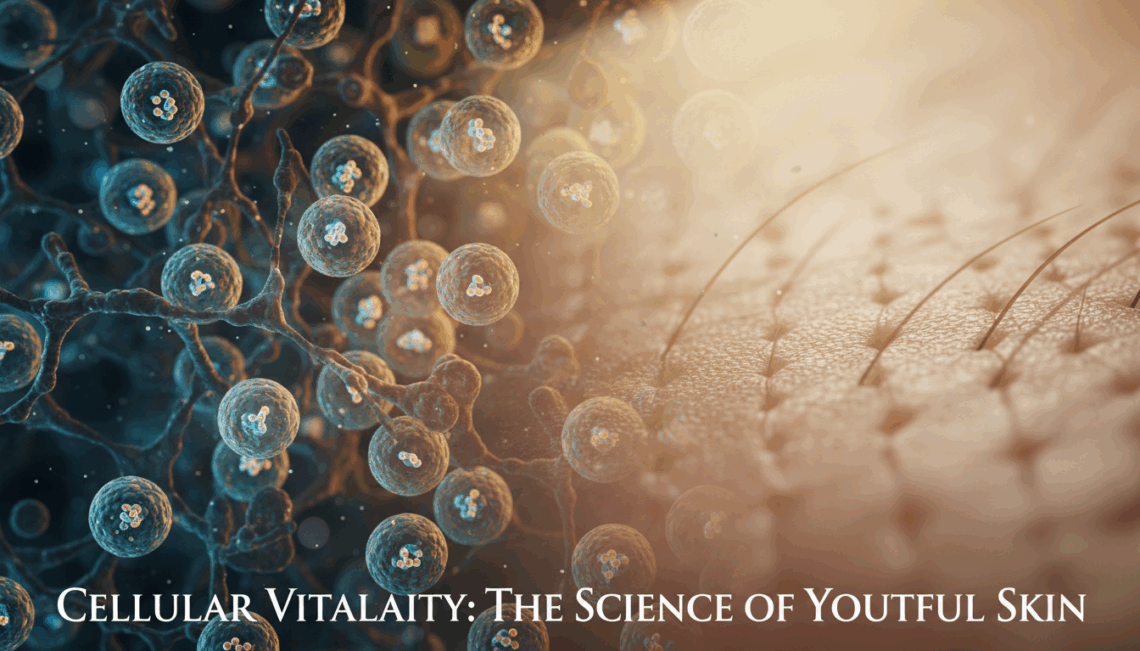
While the factors above are well-known, there’s a deeper, less-discussed element at play: the health of your cells. Every process in your body, including skin repair and collagen synthesis, requires energy. This energy is produced by tiny organelles within your cells called mitochondria.
Mitochondria are the “powerhouses” of your cells. As we get older, mitochondrial function naturally declines. This means your cells produce less energy, and this energy deficit impacts everything. For your skin, it means that the cells responsible for creating collagen and elastin become sluggish and less efficient. They can’t repair damage as quickly or produce the structural proteins needed to keep your skin firm and taut. This cellular-level energy crisis is a foundational reason why skin begins to sag from within, a process some experts refer to as a “dermal collapse.”

A Holistic Approach to Restoring Skin Firmness
Because sagging skin has multiple causes, the most effective approach is a holistic one that addresses both external and internal factors. Learning how to tighten sagging skin involves more than just one cream or treatment; it requires a comprehensive strategy.
Nourish Your Skin from the Inside Out
Your diet plays a significant role in skin health. To support collagen production and fight off damage, focus on a diet rich in:
- Antioxidants: Found in berries, leafy greens, and colorful vegetables, antioxidants help neutralize free radicals that damage skin cells.
- Vitamin C: A crucial component for collagen synthesis. Citrus fruits, bell peppers, and broccoli are excellent sources.
- Healthy Fats: Omega-3 fatty acids, found in fish like salmon and in walnuts, help maintain the skin’s lipid barrier, keeping it hydrated and supple.
- Lean Protein: Your body needs amino acids from protein to build strong collagen and elastin fibers.
Incorporate Targeted Skincare Ingredients
While topical solutions can’t fix everything, certain ingredients can provide visible improvements in skin texture and firmness:
- Retinoids (Vitamin A): Considered the gold standard in anti-aging, retinoids are proven to boost collagen production and accelerate cell turnover.
- Hyaluronic Acid: This molecule can hold up to 1,000 times its weight in water, helping to hydrate and plump the skin, which can reduce the appearance of fine lines.
- Peptides: These are short chains of amino acids that act as building blocks for proteins like collagen and elastin.
Lifestyle Adjustments for Better Skin Elasticity
Simple daily habits can have a profound impact on your skin’s health. Ensure you are getting adequate sleep (7-9 hours per night), as this is when your body undergoes its primary repair processes. Managing stress is also key, as the stress hormone cortisol can accelerate collagen breakdown. Finally, staying well-hydrated by drinking plenty of water is fundamental for maintaining skin plumpness.
Supporting Your Skin at the Cellular Level
As we discussed, declining cellular energy is a major contributor to sagging skin. While a healthy lifestyle is the foundation, some individuals look for ways to specifically target this internal issue. This is where targeted nutritional support can come into play.
Formulations designed to support mitochondrial health aim to address the root of the energy crisis. For instance, the supplement Mitolyn is built around this very concept. It combines ingredients like Panax Notoginseng and Astragalus Membranaceus, which have been studied for their potential to support cellular energy and combat aging processes from within. By providing your cells with the building blocks they need to function optimally, you can create an internal environment that is more conducive to skin repair and rejuvenation. This inside-out approach doesn’t replace the need for good skincare and a healthy diet, but rather complements them by addressing the problem at its cellular source.
Disclaimer: Always consult with a healthcare professional before starting any new dietary supplement, especially if you have pre-existing health conditions or are taking other medications.
Conclusion: A Multi-Layered Strategy is Key
Ultimately, the most effective way how to tighten sagging skin is through a consistent, multi-layered strategy. It involves protecting your skin from the sun, nourishing your body with a healthy diet, using targeted topical treatments, and, crucially, addressing the internal factors like declining cellular energy. By supporting your skin from the inside out and the outside in, you give yourself the best possible chance to restore a firmer, smoother, and more youthful appearance.
Frequently Asked Questions
How long does it take to see improvements in skin firmness?
This varies greatly depending on the individual, their age, and the methods used. With consistent topical treatments and lifestyle changes, you might notice subtle improvements in a few months. Internal approaches like dietary supplements may also take several weeks to months to show visible effects as your body works at a cellular level.
Can exercise help tighten sagging skin?
Yes, to an extent. Building muscle mass through strength training can help fill out the area beneath the skin, creating a firmer and more toned appearance, especially on the arms and legs. Facial exercises may also provide a minor lift by strengthening the underlying muscles.
Are topical treatments enough to fix sagging skin?
While high-quality skincare can improve skin texture and hydration, it rarely resolves significant sagging on its own. The problem originates deep within the skin’s structure and, as we’ve learned, at a cellular level. Therefore, topical treatments are best used as part of a broader strategy that includes nutrition, lifestyle, and potentially internal support.