Understanding the Battle Against Gravity and Time
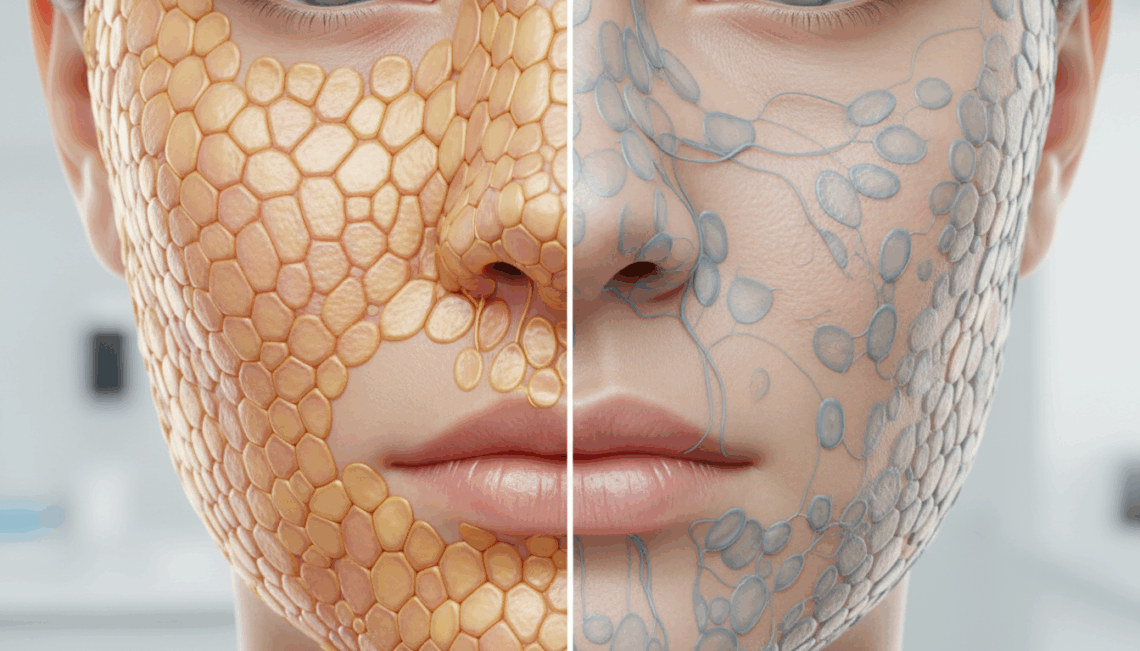
As we navigate through life, our skin tells a story. While some lines might speak of laughter and joy, the gradual loss of firmness, especially on the face, can be a source of frustration for many. The appearance of sagging skin is a common sign of aging, but have you ever wondered about the deep biological processes at play? Understanding the true causes of sagging skin on face is the first and most crucial step toward effectively addressing it. This isn’t just about surface-level changes; it’s about a structural shift happening deep within the dermal layers.
Many factors contribute to this process, ranging from genetics and lifestyle choices to environmental exposures. However, the primary culprits are internal changes that accumulate over time. The skin’s support system, a complex matrix of proteins and cells, begins to weaken. This guide will explore the science behind why skin loses its taught, youthful appearance and delve into the mechanisms responsible for maintaining its structure.
The Dermal Matrix: Your Skin’s Intrinsic Scaffolding
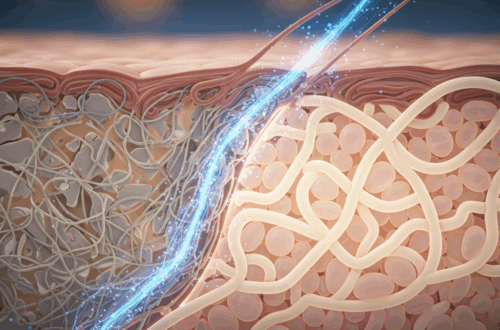
To understand why skin sags, we first need to appreciate its structure. The dermis, the layer beneath the surface, contains a powerful trio of components that provide strength, elasticity, and hydration: collagen, elastin, and hyaluronic acid. Think of these as the scaffolding, rubber bands, and moisture sponges of your skin.
Collagen: The Protein of Strength
Collagen is the most abundant protein in our bodies, providing the foundational structure and firmness of our skin. When we are young, our bodies produce collagen plentifully, creating a dense, resilient dermal matrix. However, starting in our mid-20s, collagen production begins to decline by about 1% each year. This slow, steady depletion weakens the skin’s internal support system, leading to thinning and an increased susceptibility to gravity.
Elastin: The Secret to a Youthful Snap-Back
If collagen provides the frame, elastin provides the flexibility. This protein allows your skin to stretch and then snap back into place. Sun exposure, in particular, is incredibly damaging to elastin fibers. Over time, this damage causes them to lose their ability to recoil, much like an overstretched elastic band. This loss of “bounce” is a major contributor to the appearance of sagging.
What Accelerates the Causes of Sagging Skin on Face?
While the decline of collagen and elastin is a natural part of aging, several external and internal factors can significantly speed up this process. Recognizing these accelerators is key to developing a preventative and restorative skincare strategy.
1. Sun Exposure (Photoaging)
Unprotected exposure to ultraviolet (UV) radiation is arguably the single biggest contributor to premature skin aging. UV rays penetrate deep into the dermis, where they trigger the production of free radicals. These unstable molecules wreak havoc on cellular structures, actively breaking down collagen and elastin fibers at an accelerated rate. This process, known as photoaging, is directly linked to deep wrinkles and significant loss of firmness.
2. Cellular Energy Decline
Every process in our body requires energy, and skin cell regeneration is no exception. This energy is produced by tiny organelles within our cells called mitochondria. As we age, mitochondrial function can become less efficient. This energy deficit means skin cells have a harder time repairing damage, producing new collagen, and maintaining their overall health. A decline in cellular energy directly impacts the skin’s ability to rebuild its own support structure, making it one of the more subtle but critical causes of sagging skin on face.
3. Lifestyle and Environmental Factors
Our daily habits have a profound impact on our skin’s health. Factors that contribute to sagging include:
- Smoking: Nicotine constricts blood vessels, reducing the flow of oxygen and vital nutrients to the skin. It also generates free radicals that damage collagen and elastin.
- Poor Nutrition: A diet high in sugar and processed foods can lead to a process called glycation, where sugar molecules attach to collagen fibers, making them rigid and inflexible.
- Dehydration: Inadequate water intake can affect skin turgor and overall cellular health, making skin appear more lax.
- Significant Weight Fluctuations: Rapidly gaining and losing weight can stretch the skin, damaging the collagen and elastin fibers beyond their ability to fully retract.

Can We Address the Core of the Problem?
With a clearer understanding of the root causes, the question becomes: what can be done? A truly effective approach must go beyond temporary, surface-level fixes. It requires a strategy that supports the skin’s own regenerative capabilities from within the dermal matrix. While topical moisturizers can help with hydration, addressing issues like cellular energy decline and protein degradation requires a more targeted formulation.
The goal is to provide the skin with the support it needs to counteract the structural breakdown. This has led to scientific advancements in skincare, with a new focus on ingredients and delivery systems that can influence cellular behavior and help reinforce the skin’s foundational matrix. Rather than just masking the problem, the focus is on rebuilding and re-energizing.
Introducing a Targeted Approach: Mitolyn
One product that embodies this new, science-first approach is Mitolyn Dermal Matrix Re-Texturizing Serum. It was specifically formulated to address the complex biological factors we’ve discussed, moving beyond simple hydration to target the very architecture of the skin.
Mitolyn’s formulation is designed to work in synergy with the skin’s natural processes. It aims to support the cellular environment needed for healthy collagen and elastin function. By focusing on the foundational causes of sagging and wrinkling, it represents a modern strategy for those who are serious about restoring their skin’s youthful density and firmness.
How Does a Cellular-Focused Serum Work?
Instead of just sitting on the surface, advanced serums are designed to penetrate the skin and deliver active ingredients where they are most needed. The philosophy behind a product like Mitolyn is based on a few key principles:
1. Supporting Cellular Energy
As mentioned, mitochondrial health is crucial. A targeted serum may include ingredients that help protect and support mitochondrial function. When skin cells have more energy, they are better equipped to carry out their essential functions, including repair and the synthesis of structural proteins.
2. Reinforcing the Dermal Matrix
The formulation focuses on providing support for key proteins like collagen and elastin, as well as fibrillin—a glycoprotein essential for building the elastic fibers. The goal is to help counteract the natural degradation process, thereby reinforcing the skin’s internal scaffolding and improving its resilience and firmness.
3. Promoting a Healthy Cellular Environment
By delivering a concentrated blend of supportive ingredients, a re-texturizing serum helps create an optimal environment for skin cells to thrive. This comprehensive approach ensures that the various causes of sagging skin on face are being addressed holistically, from cellular energy to protein integrity.
For those who have felt disappointed by conventional creams and lotions that offer minimal results, exploring a scientifically formulated serum like Mitolyn could be a logical next step. It’s about shifting from passive skincare to an active strategy that works in harmony with your skin’s biology.
Conclusion: A Proactive Stance on Skin Aging
The journey to firmer, more resilient skin begins with knowledge. Understanding that sagging skin is the result of a deep, structural decline in collagen, elastin, and cellular energy empowers you to make more informed choices. While we cannot stop time, we can adopt strategies that address the root causes of skin aging, not just the symptoms. A combination of a healthy lifestyle, diligent sun protection, and a targeted skincare regimen can make a significant difference in maintaining your skin’s health and appearance for years to come.
If you are looking for a potent, science-backed solution to add to your routine, exploring a dermal matrix serum is a worthwhile consideration. It’s an investment in the long-term health and structure of your skin.
Disclaimer
The information provided in this article is for educational purposes only and should not be considered medical advice. Individual results may vary. It is always recommended to consult with a dermatologist or healthcare professional before beginning any new skincare regimen, especially if you have pre-existing skin conditions.