What Is Gut Health and Why Does It Matter So Much?
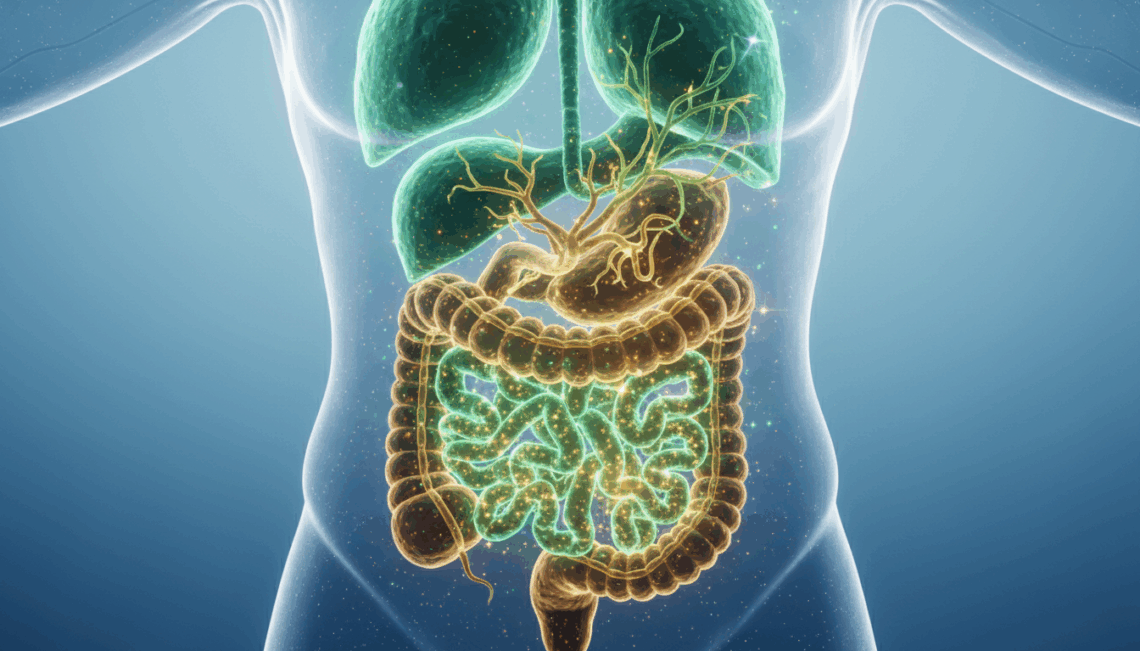
Before we explore the signs of an unhealthy gut, it’s crucial to understand what “gut health” truly means. Think of your digestive system as a complex and bustling ecosystem, home to trillions of microorganisms, including bacteria, viruses, and fungi. This community is known as your gut microbiome. A healthy gut has a balanced and diverse range of these microbes. They work together to break down food, absorb nutrients, produce essential vitamins, and, most importantly, protect you from pathogens.
This microbiome is central to your overall well-being. It communicates with your brain, influences your immune system, and can even affect your mood. When this delicate balance is disrupted—a state known as dysbiosis—it can trigger a cascade of issues that extend far beyond your stomach.
7 Common Signs of an Unhealthy Gut
Your body has ways of signaling when this internal ecosystem is out of balance. While some signs are obvious, others are more subtle. Here are seven common indicators that your gut may need attention.
1. Persistent Digestive Discomfort
This is the most direct sign. If you frequently experience gas, bloating, constipation, diarrhea, or heartburn, it’s a clear red flag. While occasional digestive upset is normal, chronic discomfort suggests that your gut is struggling to process food and eliminate waste effectively. These symptoms often indicate an imbalance in gut bacteria or an inability to properly break down certain foods.
2. Unexplained Fatigue and Poor Sleep
Do you feel tired all the time, even after a full night’s sleep? Your gut could be the culprit. A significant portion of your body’s serotonin, a hormone that affects mood and sleep, is produced in the gut. An unhealthy gut can impair serotonin production, leading to insomnia or poor-quality sleep. Furthermore, chronic inflammation starting in the gut can drain your energy reserves, leaving you feeling constantly fatigued.
3. Skin Irritation and Problems
Your skin often reflects what’s happening inside your body. Inflammatory skin conditions like eczema, psoriasis, and acne can be linked to a damaged gut. The concept of the “gut-skin axis” suggests that inflammation in the gut, often from a poor diet or food sensitivities, can “leak” into the bloodstream and trigger an inflammatory response in the skin.

4. Unintentional Weight Changes
Gaining or losing weight without making changes to your diet or exercise routine can be one of the key signs of an unhealthy gut. An imbalanced microbiome can impair your body’s ability to absorb nutrients, regulate blood sugar, and store fat. Some types of gut bacteria are more efficient at extracting calories from food, which can lead to weight gain. Conversely, an overgrowth of other microbes can lead to malabsorption and weight loss.
5. Frequent Sugar Cravings
The bacteria in your gut can influence your cravings. A diet high in sugar and processed foods can feed the “bad” bacteria, causing them to multiply. These unhealthy microbes then send signals that make you crave even more sugar, creating a vicious cycle that further disrupts the delicate balance of your gut microbiome. If you find yourself constantly battling intense sugar cravings, it might be your gut bacteria calling the shots.
6. Mood Swings, Anxiety, and Brain Fog
The gut is often called the “second brain” for a good reason. A strong connection, known as the gut-brain axis, exists between your digestive system and your central nervous system. An unhealthy gut can contribute to inflammation and affect the production of neurotransmitters like serotonin and dopamine. This can manifest as mood swings, anxiety, depression, and difficulty concentrating, often referred to as “brain fog.”
7. Autoimmune Complications
Emerging research is highlighting the link between gut health and the immune system. An unhealthy gut may increase systemic inflammation and contribute to the development or exacerbation of autoimmune diseases, where the body mistakenly attacks its own tissues. Conditions like rheumatoid arthritis, lupus, and inflammatory bowel disease have all been associated with gut dysbiosis.
The Root Cause: Understanding Leaky Gut Syndrome
Many of the signs of an unhealthy gut can be traced back to a condition known as increased intestinal permeability, or “leaky gut.” The lining of your intestines acts as a barrier, controlling what gets absorbed into your bloodstream. When this lining becomes damaged, tiny gaps can form, allowing undigested food particles, toxins, and bacteria to “leak” through. This triggers an immune response, leading to chronic inflammation throughout the body, which can manifest in any of the symptoms listed above.
How Can You Start Improving Your Gut Health?
Restoring balance to your gut is a journey, not a quick fix. However, taking targeted steps can make a significant difference. It involves creating an environment where beneficial microbes can thrive.
Dietary and Lifestyle Adjustments
Start by incorporating gut-friendly habits into your daily routine. This includes eating a diverse range of whole foods rich in fiber, such as fruits, vegetables, and legumes. Probiotic-rich fermented foods like yogurt, kefir, and sauerkraut can introduce beneficial bacteria. It’s also important to manage stress, get adequate sleep, and stay hydrated, as these factors heavily influence your gut environment.
The Role of Specialized Supplements
While diet and lifestyle are foundational, sometimes your gut needs more targeted support, especially when dealing with a compromised gut lining. This is where specialized ingredients can play a crucial role. For years, the focus has been on probiotics, but newer science points to the importance of postbiotics.
Postbiotics are the beneficial compounds that probiotic bacteria produce. One of the most powerful postbiotics for gut lining health is butyrate. However, getting it to the colon where it’s most needed can be challenging. This is where a supplement like PrimeBiome comes in. It utilizes a scientifically advanced form of butyrate called Tributyrin, which is designed to effectively travel through the digestive system and deliver support directly to the colon. By providing this key postbiotic, it aims to help fortify the gut lining, which is a crucial step in addressing the root cause of many of the symptoms of an unhealthy gut.
Final Thoughts on Your Gut Health Journey
Recognizing the signs of an unhealthy gut is the first and most important step toward taking back control of your health. Your body is sending you signals for a reason. By listening to them and taking proactive steps—through diet, lifestyle, and targeted supplementation—you can begin the process of restoring your internal ecosystem. Remember to be patient and consistent, and always consult with a healthcare professional before making significant changes to your health regimen, especially if you have underlying conditions.
Frequently Asked Questions (FAQ)
What is the fastest way to heal your gut?
There is no “fastest” way, as healing the gut is a gradual process. However, you can accelerate it by removing inflammatory foods (like processed sugar and refined carbohydrates), incorporating prebiotic and probiotic-rich foods, managing stress, and considering a targeted postbiotic supplement to help repair the gut lining.
Can gut health affect mental health?
Absolutely. The gut-brain axis is a direct line of communication between your digestive system and your brain. An imbalanced gut microbiome can impact neurotransmitter production, leading to issues like anxiety, depression, and brain fog.
Are probiotics enough to fix an unhealthy gut?
While probiotics are beneficial for introducing good bacteria, they are often not enough on their own, especially if the gut lining is compromised. It’s a multi-faceted approach. You also need prebiotics (fiber) to feed the good bacteria and, crucially, postbiotics (like butyrate) to help repair the physical gut barrier itself.