Understanding the Frustrating Link Between Leaky Gut and Weight Gain
You eat well and try to stay active, yet you’re constantly battling bloating, digestive discomfort, and stubborn weight that just won’t budge. It’s a frustrating cycle, and you might intuitively feel that something deeper is going on. If this sounds familiar, you’re not alone, and your intuition is likely correct. The connection between leaky gut and weight gain is a critical piece of the puzzle that conventional diet advice often overlooks.
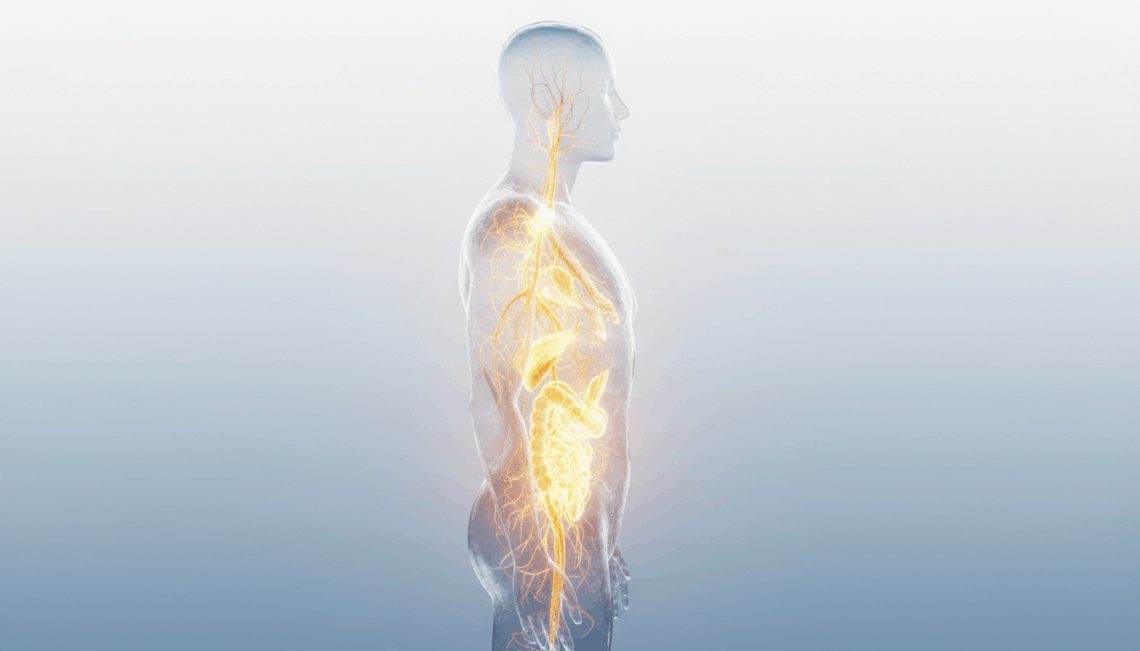
Your gut is more than just a digestive tube; it’s a complex ecosystem that acts as a gatekeeper for your entire body. When this gate is compromised, it can trigger a cascade of issues that directly impact your metabolism and ability to maintain a healthy weight. This article will explore the science behind leaky gut, explain how it drives weight gain, and outline actionable steps you can take to restore balance from within.
What Exactly Is a “Leaky Gut”?
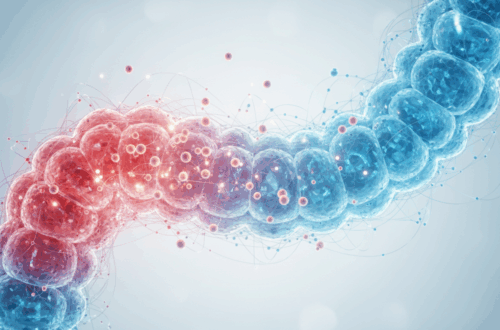
Imagine the lining of your intestines as a tightly woven cheesecloth. Its job is to let nutrients pass through into your bloodstream while keeping larger, undigested food particles, toxins, and microbes out. In a healthy gut, the cells that make up this lining (enterocytes) are held together by tight junctions.
A “leaky gut,” or more formally, “increased intestinal permeability,” occurs when these tight junctions become loose. The cheesecloth develops larger holes, allowing unwanted substances to “leak” into your bloodstream. This breach of security triggers an immediate response from your immune system, which identifies these leaked particles as foreign invaders and launches an attack. The result is chronic, low-grade inflammation throughout your body.
The Vicious Cycle: How Inflammation Drives Weight Gain
This chronic inflammation is the central mechanism connecting a leaky gut to weight gain. It’s not about calories in versus calories out; it’s about your body’s internal signaling systems going haywire.
1. Hormonal Disruption
Inflammation interferes with key metabolic hormones. One of the most important is insulin, the hormone responsible for managing blood sugar. When inflammation is high, your cells can become resistant to insulin’s signals. Your pancreas then has to pump out even more insulin to get the job done. High insulin levels are a direct command to your body to store fat, particularly around the midsection.
2. Cortisol and Stress
A compromised gut is a major stressor on the body. This physical stress can lead to elevated levels of cortisol, the “stress hormone.” Chronically high cortisol can increase appetite, trigger cravings for sugary and fatty foods, and encourage the storage of visceral fat—the dangerous type of fat that surrounds your organs.
3. Impaired Nutrient Absorption
When your gut lining is damaged, it can’t absorb essential vitamins and minerals effectively. Deficiencies in nutrients like magnesium, vitamin D, and B vitamins can impair your metabolism and energy production, making it much harder to lose weight and maintain vitality.
Beyond Weight: Other Signs Your Gut May Be Leaky
While the connection between leaky gut and weight gain is significant, it’s rarely the only symptom. Because the resulting inflammation is systemic, it can manifest in numerous ways. Recognizing these other signs can help confirm that your gut may be the root cause of your health challenges.
- Skin Issues: Conditions like eczema, psoriasis, acne, and general skin dullness are often linked to gut inflammation. This is sometimes called the “gut-skin axis.”
- Digestive Distress: Chronic bloating, gas, constipation, or diarrhea are direct indicators that your digestive system is struggling.
- Brain Fog: Difficulty concentrating, memory issues, and a feeling of mental cloudiness can be tied to inflammation affecting your brain—the “gut-brain axis.”
- Fatigue: A constant state of exhaustion that isn’t resolved by sleep is a common complaint, as your body expends massive energy dealing with chronic inflammation.
- Joint Pain: Systemic inflammation can often settle in the joints, causing aches and stiffness.
How to Begin Healing Your Gut Lining
Restoring the integrity of your gut lining is the most crucial step toward breaking the inflammation cycle and supporting healthy weight management. While it takes time and consistency, the approach is straightforward and focuses on removing irritants and providing the building blocks for repair.
Start with Your Diet
Focus on incorporating whole, anti-inflammatory foods. This includes leafy greens, colorful vegetables, lean proteins, and healthy fats like avocado and olive oil. At the same time, try to reduce or eliminate common gut irritants like processed foods, refined sugar, excessive alcohol, and industrial seed oils.
Manage Your Stress
As we discussed, stress and high cortisol levels are major contributors to a leaky gut. Incorporating stress-management techniques like mindfulness, meditation, gentle exercise like yoga, or simply spending time in nature can have a profound impact on your gut health.
The Role of Postbiotics: A More Direct Approach to Gut Health
You’ve likely heard about probiotics (good bacteria) and prebiotics (food for that bacteria). But there’s a third, crucial player: postbiotics. Postbiotics are the beneficial compounds produced *by* the good bacteria when they ferment prebiotic fiber. These compounds, such as butyrate, are directly responsible for many of the gut’s health benefits.
While probiotics are helpful, they can sometimes be unpredictable. Taking postbiotics directly gives your body the finished product it needs to heal. Butyrate, for example, is the primary fuel source for the cells of your intestinal lining. Providing it directly can help tighten those loose junctions, reduce inflammation at the source, and restore the integrity of your gut barrier.
This is where a targeted supplement can make a significant difference. For those dealing with the stubborn symptoms of leaky gut and weight gain, a specialized formula designed to deliver these powerful postbiotic compounds can provide the advanced support that diet alone may not achieve.
A Targeted Solution for Gut Barrier Support
PrimeBiome is a doctor-formulated supplement that focuses specifically on this postbiotic approach. It delivers Tributyrin, a highly effective form of butyrate that travels deep into your gut to fuel and repair the intestinal lining. By directly addressing the root cause—the “leaks”—it helps to calm the inflammatory response that disrupts metabolism and drives weight gain.
It’s designed not just to add more bacteria but to fundamentally restore the environment and structure of your gut. This approach supports your body’s natural ability to heal, helping you finally break free from the cycle of bloating, discomfort, and metabolic frustration.
In conclusion, the path to sustainable weight management often begins in the gut. By understanding the link between a compromised gut lining and chronic inflammation, you can shift your focus from restrictive dieting to holistic healing. A combination of an anti-inflammatory diet, stress management, and targeted postbiotic support can restore your gut’s integrity, calm your immune system, and allow your metabolism to function as it should. Taking control of your gut health is the first and most powerful step toward reclaiming your overall well-being.
Disclaimer
The information provided in this article is for educational purposes only and is not intended as a substitute for professional medical advice, diagnosis, or treatment. Always seek the advice of your physician or other qualified health provider with any questions you may have regarding a medical condition. Never disregard professional medical advice or delay in seeking it because of something you have read here.