Understanding the Frustration of Crepey Skin
There’s a specific type of skin change that lotions and moisturizers barely seem to touch. It’s not just a fine line or a simple wrinkle. It’s when your skin starts to feel thin, fragile, and looks crinkled, almost like crepe paper. This is crepey skin, and it often appears on areas we display the most: our arms, neck, chest, and even our legs. It can be a significant source of frustration and self-consciousness, making you think twice about wearing sleeveless tops or your favorite dress.
You’re not alone in this feeling. Many people find themselves trying countless products that promise to restore youthful skin, only to be disappointed when the thin, paper-like texture remains. This is because crepey skin isn’t just about dryness; it’s a structural issue deep within the skin. To truly address it, we need to understand why it happens and what it takes to effectively learn how to fix crepey skin.
What Causes Crepey Skin in the First Place?
Understanding the root cause is the first step toward finding a real solution. Crepey skin is primarily the result of the breakdown of two essential proteins in our skin: collagen and elastin. These proteins are responsible for your skin’s firmness, structure, and ability to snap back into place. When they degrade, the skin becomes thinner and less resilient, leading to that signature crinkled appearance.
The Primary Culprits Behind Collagen and Elastin Loss
- Sun Damage: This is the number one accelerator of crepey skin. Years of exposure to the sun’s UV rays generate free radicals that actively break down collagen and elastin fibers. This is why you often see it on sun-exposed areas like the chest and arms.
- Aging: As we age, our body’s natural production of collagen and elastin slows down dramatically. This natural decline means the skin’s supportive framework weakens over time.
- Dehydration: Skin that lacks moisture is less plump and resilient. While dryness alone doesn’t cause crepey skin, chronic dehydration can significantly worsen its appearance, making the crinkles look much deeper.
- Significant Weight Loss: Rapid or significant weight loss can leave behind lax skin that has been stretched, which can then take on a crepey texture because it has lost its underlying support structure.
- Genetics and Lifestyle: Factors like genetics, smoking, and a diet low in antioxidants can also play a role in how quickly your skin ages and develops a crepey texture.
Because this is a structural problem, simply slathering on a basic body lotion is like trying to fix a weak foundation with a coat of paint. You might get temporary moisture, but you’re not addressing the underlying loss of firmness and elasticity. This is why a targeted approach is crucial.

How to Fix Crepey Skin: A Targeted Treatment Plan
Now that we know what we’re up against, we can focus on a strategy that works. Fixing crepey skin requires a multi-faceted approach that involves restoring hydration, protecting from further damage, and, most importantly, supporting the skin’s collagen and elastin network. This goes beyond simple moisturization and into the realm of active, restorative ingredients.
1. Introduce a Specialized Serum with Powerful Ingredients
This is the most critical step. A generic lotion won’t do. You need a formula specifically designed to address the thinning and fragility of crepey skin. Look for serums or treatments that contain ingredients known to support skin structure and provide intense, lasting hydration.
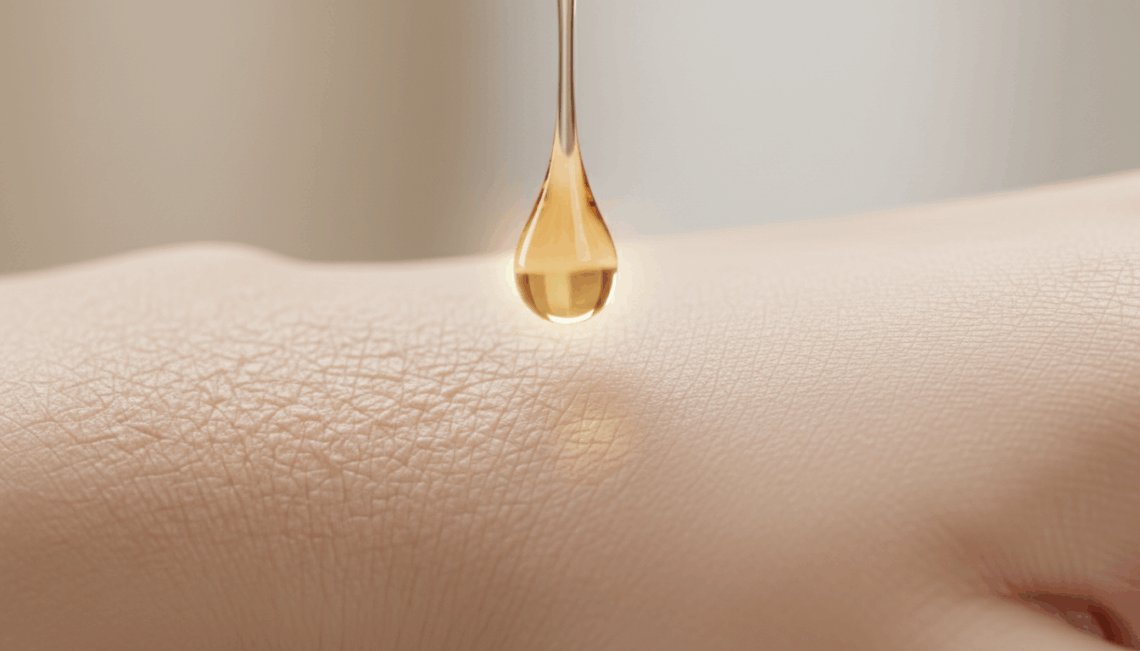
One such formula making waves is Mitolyn. It’s built around a “Polynesian Ritual” that utilizes powerful, natural ingredients to specifically target the appearance of crepey skin. Its key components work synergistically to help restore a smoother, firmer look.
Key Ingredients to Look For:
- Kukui Nut Oil: A cornerstone of the Mitolyn formula, this oil is rich in essential fatty acids that penetrate deeply to hydrate the skin and help support its natural barrier, locking in moisture and improving elasticity.
- Hyaluronic Acid: A hydration powerhouse that can hold up to 1,000 times its weight in water. It plumps the skin from within, which can dramatically reduce the visibility of fine, crinkly lines.
- Peptides and Plant Extracts: Look for formulas with ingredients that support the skin’s natural regenerative processes. Mitolyn incorporates a blend of botanicals that work to nourish and firm the skin’s appearance, making it feel more resilient and look smoother.
Using a targeted serum like Mitolyn provides your skin with the concentrated ingredients it needs to combat the structural issues at the heart of the problem. It’s the difference between a temporary fix and a long-term strategy for improvement.
2. Make Sunscreen Your Non-Negotiable Daily Habit
If you are serious about wanting to know how to fix crepey skin, you cannot skip this step. Applying a broad-spectrum sunscreen with at least SPF 30 every single day is your best defense against further damage. UV radiation is constantly breaking down your existing collagen. Without sun protection, any progress you make with treatments will be undermined. Apply it generously to all exposed skin, including your neck, chest, and arms, even on cloudy days.
3. Hydrate from the Inside Out
What you put into your body is just as important as what you put on your skin. Dehydrated skin will always look more crepey. Aim to drink plenty of water throughout the day to keep your skin cells plump and functioning optimally. Herbal teas and water-rich foods like cucumber, watermelon, and oranges also contribute to your overall hydration levels. This internal hydration supports the skin’s natural moisture barrier, making topical treatments even more effective.
4. Exfoliate Gently to Promote Cell Turnover
Gentle exfoliation can help improve the appearance of crepey skin by removing the top layer of dead, dull skin cells. This process encourages cell turnover and can help your treatment products penetrate more effectively. However, it’s crucial to be gentle, as crepey skin is fragile.
- Avoid Harsh Scrubs: Physical scrubs with large, jagged particles can create micro-tears in thin skin, making the problem worse.
- Opt for Chemical Exfoliants: Look for body lotions or washes containing Alpha-Hydroxy Acids (AHAs) like glycolic acid or lactic acid. These work by dissolving the bonds between dead skin cells, revealing smoother, brighter skin underneath without abrasive scrubbing. Start by using them 2-3 times a week to see how your skin tolerates it.
5. Re-evaluate Your Diet and Nutrition
A diet rich in antioxidants can help your body fight off free radical damage, one of the key contributors to skin aging. Additionally, certain nutrients are vital for collagen production.
Foods to Incorporate for Healthier Skin:
- Vitamin C-Rich Foods: Bell peppers, citrus fruits, kiwi, and broccoli are packed with Vitamin C, an essential antioxidant that is a crucial cofactor in collagen synthesis.
- Healthy Fats: Avocados, nuts, seeds, and olive oil provide essential fatty acids that help keep the skin’s barrier strong and supple.
- Lean Protein: Your body needs amino acids from protein sources like chicken, fish, beans, and lentils to build strong collagen and elastin fibers.
- Antioxidants: Berries, dark chocolate, and green tea are loaded with antioxidants that protect your skin from oxidative stress.
The Takeaway: A Consistent Approach is Key
Learning how to fix crepey skin isn’t about finding a single “miracle cure,” but about adopting a consistent, multi-pronged strategy. You are combatting years of structural changes, so patience and diligence are essential. By protecting your skin from the sun, hydrating it inside and out, and providing it with the targeted, powerful ingredients found in a specialized serum like Mitolyn, you give your skin the best possible chance to regain a smoother, firmer, and more youthful appearance.
Remember to be consistent with your routine. Over time, this comprehensive approach can lead to visible improvements in texture and resilience, helping you feel confident and comfortable in your own skin once again.
Frequently Asked Questions (FAQ)
Q: How long does it take to see results?
A: With a consistent routine, most people begin to notice improvements in skin texture and hydration within 4-6 weeks. Significant changes in firmness can take 2-3 months, as it takes time for the skin to respond to active ingredients.
Q: Can exercise help with crepey skin?
A: Yes! Strength training, in particular, can help. Building lean muscle mass underneath the skin can help to “fill out” the area, providing a firmer foundation that makes the skin on top appear tighter and smoother.
Q: Is Mitolyn suitable for sensitive skin?
A: Mitolyn is formulated with natural ingredients, but as with any new skincare product, it’s always wise to do a patch test on a small area (like your inner arm) for 24 hours to ensure you don’t have a reaction before applying it more broadly.
Disclaimer: The information in this article is for educational purposes only and should not be considered medical advice. Always consult with a dermatologist or healthcare professional for any personal skin concerns or before starting a new treatment regimen.