Understanding the Science of Youthful Skin
As we navigate through life, our skin tells a story. But for many, that story includes unwelcome chapters on wrinkles, fine lines, and a noticeable loss of firmness. This change often leads people down a path of trying countless creams and serums, searching for a way to turn back the clock. If you’ve ever wondered why your skin doesn’t have the same snap-back quality it once did, you’re asking the right question. The answer lies in a crucial biological component: skin elasticity.
Understanding what causes this decline is the first step in learning how to restore skin elasticity. It’s not just about surface-level treatments; it’s about addressing the foundational health of your skin from within. This guide will explore the primary culprits behind lost elasticity and provide actionable, responsible advice on how to support your skin’s natural firmness and youthful appearance.
What is Skin Elasticity and Why Does It Matter?
Think of skin elasticity as your skin’s ability to stretch and then return to its original shape. This remarkable quality is primarily managed by two key proteins in your dermis (the middle layer of your skin): collagen and elastin.
- Collagen: This is the most abundant protein in your body and acts as the primary building block for your skin. It provides structure, strength, and durability. When collagen levels are high, your skin is firm and robust.
- Elastin: As its name suggests, this protein is responsible for the “elastic” quality. It allows your skin to stretch and recoil. While less abundant than collagen, it’s critically important for maintaining a smooth, taut appearance.
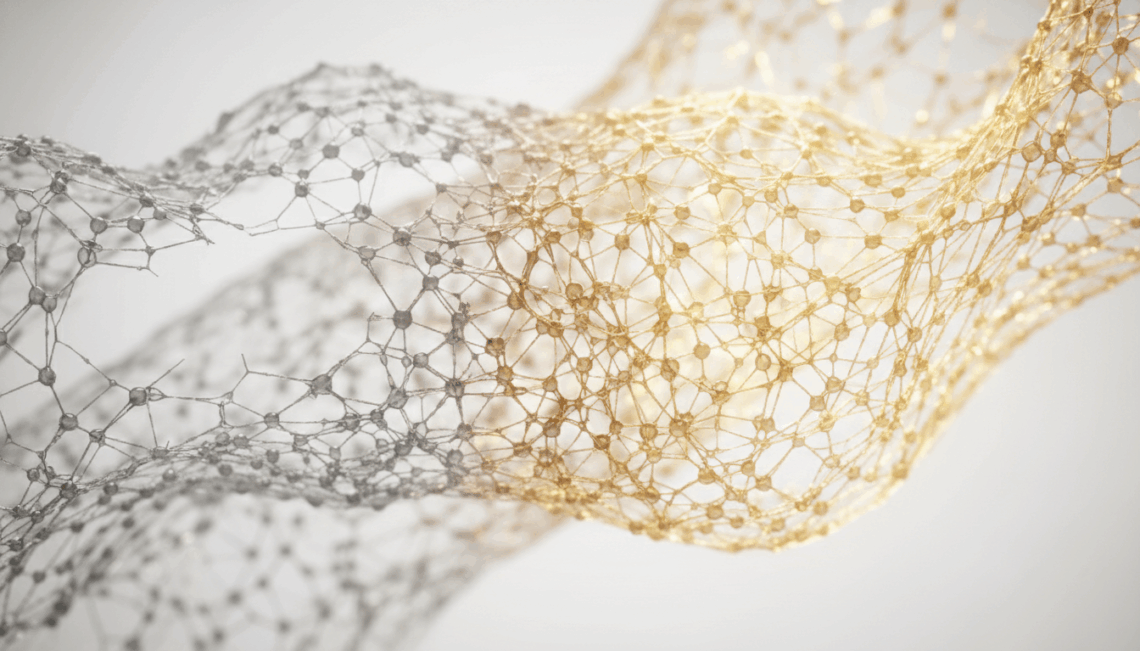
Together, these proteins form a strong, flexible matrix. When this matrix is healthy and dense, your skin looks plump, smooth, and youthful. However, as we age, the production of both collagen and elastin slows down, and the existing fibers can become damaged, leading to visible signs of aging like sagging and wrinkles.
The Primary Causes of Declining Skin Elasticity
Losing skin elasticity is a multifactorial process. While aging is the most significant factor, several external and internal elements can accelerate this decline. Understanding them is crucial for anyone looking to figure out how to restore skin elasticity effectively.
1. The Natural Aging Process
After our mid-20s, our bodies naturally begin to produce about 1% less collagen in the skin each year. Elastin production also diminishes. This gradual decline means the skin’s structural integrity weakens over time, making it more susceptible to gravity and repetitive movements (like smiling or frowning), which eventually form wrinkles.
2. Sun Exposure (Photoaging)
If aging is the primary factor, sun exposure is its most powerful accomplice. Ultraviolet (UV) radiation is the number one external cause of premature skin aging. UVA rays penetrate deep into the dermis, where they actively break down existing collagen and elastin fibers. This process, known as photoaging, leads to wrinkles, sagging, and pigmentation issues far earlier than chronological aging alone would.
3. Lifestyle and Environmental Factors
Your daily habits and environment play a massive role in your skin’s health. Factors that contribute to lost elasticity include:
- Poor Nutrition: A diet high in sugar and processed foods can lead to a process called glycation, where sugar molecules attach to collagen and elastin, making them stiff and weak.
- Dehydration: Skin cells need water to function correctly. Chronic dehydration can impair cellular processes and make the skin appear dull and less plump.
- Smoking: The chemicals in cigarette smoke are known to degrade collagen and elastin. Smoking also constricts blood vessels, reducing the flow of oxygen and nutrients to the skin.
- Pollution: Environmental pollutants can generate free radicals, unstable molecules that cause oxidative stress and damage skin cells, including the precious collagen and elastin fibers.
The Cellular Level: A Deeper Look at Skin Aging
While we can see the external effects, the battle for youthful skin truly begins deep within our cells. Every skin cell contains mitochondria, which are like tiny power plants. These organelles are responsible for producing the energy (known as ATP) that fuels all cellular activities, including the repair of damaged DNA and the synthesis of new collagen and elastin.
As we age, and due to damage from UV rays and pollution, our mitochondria can become less efficient. They produce less energy and more harmful free radicals. This decline in cellular energy means that skin cells can’t repair themselves as effectively or produce the structural proteins needed to maintain elasticity. This concept of “dermal collapse” at a mitochondrial level is an area of growing scientific interest, as it represents the very root cause of visible aging.
Addressing this cellular energy crisis is a modern approach to skincare. Instead of just moisturizing the surface or providing external collagen, the focus shifts to supporting the skin’s own natural machinery. When mitochondria are functioning optimally, cells have the power they need to rebuild, repair, and maintain that firm, elastic structure we associate with youth.

How to Restore Skin Elasticity: A Holistic Approach
Improving your skin’s firmness requires a comprehensive strategy that combines protective measures, a healthy lifestyle, and targeted skincare. It’s about creating an environment where your skin can thrive and repair itself.
1. Prioritize Sun Protection
This is non-negotiable. Using a broad-spectrum sunscreen with an SPF of 30 or higher every single day is the most effective thing you can do to prevent further breakdown of collagen and elastin. It protects your skin from the primary external aging factor and gives it a chance to heal.
2. Adopt a Skin-Friendly Diet
What you eat directly impacts your skin. Focus on a diet rich in antioxidants, which help fight free radical damage. Include plenty of:
- Colorful Fruits and Vegetables: Berries, leafy greens, and bell peppers are packed with vitamins C and E, powerful antioxidants for skin health.
- Healthy Fats: Avocados, nuts, and olive oil provide essential fatty acids that help maintain the skin’s lipid barrier, keeping it hydrated and supple.
- Lean Protein: Your body needs amino acids from protein to build new collagen. Sources like fish, chicken, and legumes are excellent choices.
3. Stay Hydrated and Limit Vices
Drinking an adequate amount of water throughout the day is fundamental for plump, healthy skin cells. At the same time, try to reduce or eliminate habits known to harm skin, such as smoking and excessive alcohol consumption, both of which dehydrate the body and introduce toxins that accelerate aging.
4. Implement a Targeted Skincare Routine
A consistent routine can make a significant difference. Look for products with ingredients that are backed by research for their ability to support skin structure and function.
- Retinoids: Derivatives of Vitamin A, like retinol, are considered a gold standard in anti-aging. They work by promoting cell turnover and stimulating collagen production. It’s best to start slowly and consult a dermatologist, as they can be irritating for some.
- Antioxidants: Topical serums containing Vitamin C can help protect against free radical damage from the sun and pollution while also supporting collagen synthesis.
- Peptides: These are short chains of amino acids that can signal to your skin to produce more collagen.
Conclusion: Supporting Your Skin from the Inside Out
Restoring skin elasticity isn’t about finding a single magic potion; it’s about a dedicated, multi-faceted approach. By protecting your skin from the sun, nourishing your body with a healthy diet, and using well-formulated skincare, you provide the essential tools your skin needs to maintain its structure. The journey to firmer, more youthful-looking skin starts with understanding the “why” behind the changes you see in the mirror.
While a holistic lifestyle is the foundation, advanced formulations designed to target the cellular energy processes offer a modern way to support skin health at its core. By addressing factors like mitochondrial function, you are not just treating the surface but are helping to empower your skin’s natural ability to repair and rejuvenate itself. For those seeking a specialized solution to combat dermal collapse, exploring products that focus on this deep cellular level can be a powerful addition to a comprehensive anti-aging strategy.
Frequently Asked Questions (FAQ)
Q1: Can you truly restore lost skin elasticity?
A: While you cannot turn the clock back to your teenage years, you can significantly improve your skin’s firmness and appearance. A consistent and protective routine can help your body rebuild some collagen and, most importantly, prevent the rapid degradation of your existing collagen and elastin.
Q2: How long does it take to see results?
A: Skin cells take time to turn over and for new collagen to be produced. With any new routine or treatment, you should be patient and consistent. It typically takes at least 3 to 6 months to notice visible improvements in skin texture and firmness.
Q3: Are there professional treatments that can help?
A: Yes, treatments like microneedling, laser therapy, and radiofrequency can stimulate collagen production more intensively. However, it’s crucial to consult with a board-certified dermatologist to determine if these procedures are right for you and your skin type. They should be seen as a complement to, not a replacement for, a good daily skincare and lifestyle routine.
Disclaimer: The information in this article is for educational purposes only and is not intended to be a substitute for professional medical advice, diagnosis, or treatment. Always seek the advice of your physician or another qualified health provider with any questions you may have regarding a medical condition.