The Gut-Skin Axis: How Your Digestion Impacts Your Skin
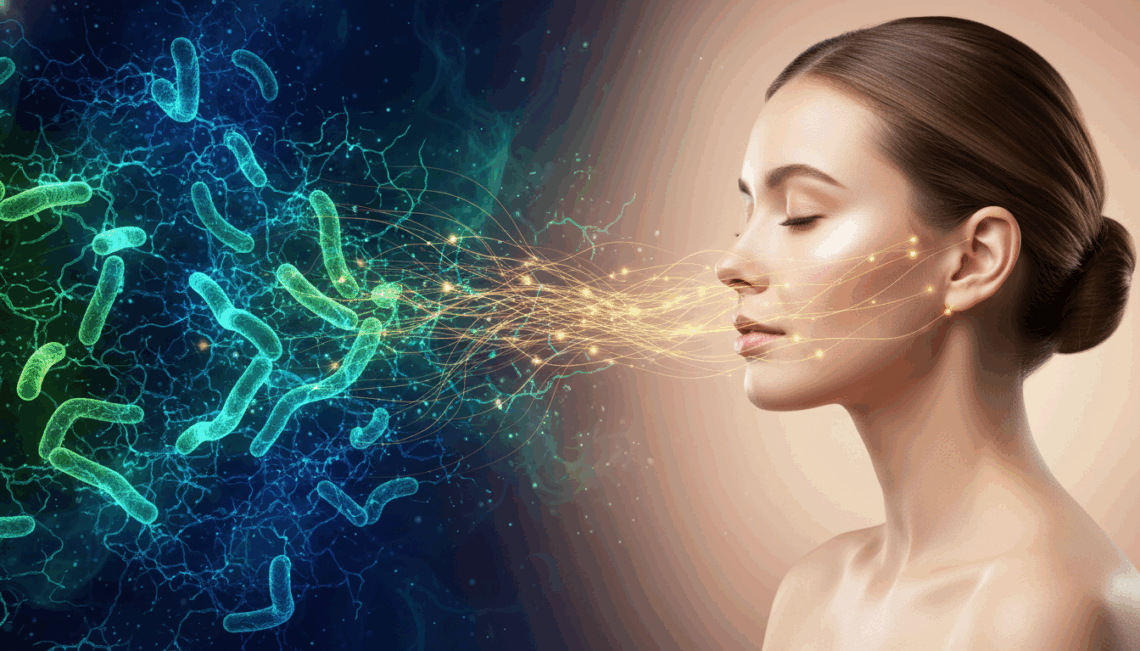
Have you ever noticed that a period of digestive distress, like bloating or irregularity, seems to coincide with a sudden skin breakout? It’s not just your imagination. This powerful connection, often called the gut-skin axis, is a critical area of health that many people overlook. The state of your internal digestive environment has a direct and profound impact on the health and appearance of your skin. Understanding the crucial link between gut health and skin is the first step toward achieving the radiant complexion you’re looking for.
Many of us spend a fortune on topical creams, serums, and cleansers, hoping to solve issues like acne, redness, or premature aging. While these products can help on the surface, they often fail to address the underlying cause. True skin health isn’t just skin deep; it starts from within, specifically within your gut microbiome.
What Is the Gut Microbiome?
Your gut is home to trillions of microorganisms, including bacteria, viruses, and fungi, collectively known as the gut microbiome. Think of it as a complex, bustling ecosystem living inside you. In a healthy state, the beneficial bacteria keep the harmful ones in check, creating a balanced environment. This delicate balance is responsible for much more than just digesting food. It plays a pivotal role in regulating your immune system, influencing your mood, and, importantly, managing inflammation throughout your body.
When this ecosystem is thrown out of balance—a condition known as dysbiosis—it can trigger a cascade of negative effects. An overgrowth of harmful bacteria can lead to a state of chronic inflammation, which is one of the primary drivers of many modern health concerns, including skin problems.
The Gut-Skin Axis Explained
The gut and the skin are in constant communication through a complex network involving the immune system and various metabolic pathways. When your gut lining becomes permeable, a condition often referred to as “leaky gut,” undigested food particles and toxins can escape into your bloodstream. Your immune system identifies these as foreign invaders and mounts an inflammatory response.
This systemic inflammation doesn’t just stay in one place; it travels throughout your body and can manifest on your skin. This can present as:
- Acne: Inflammation can trigger an overproduction of sebum (oil), which clogs pores and leads to breakouts.
- Rosacea and Eczema: These conditions are strongly linked to inflammatory responses originating in the gut.
- Premature Aging: Chronic inflammation breaks down collagen and elastin, the proteins that keep your skin firm and youthful, leading to fine lines and wrinkles.
- Dull, Dry Skin: A compromised gut struggles to absorb essential nutrients, vitamins, and minerals that are vital for skin hydration and cell regeneration.
Essentially, what you see on your skin is often a reflection of what is happening deep inside your digestive system. Calming the inflammation internally is key to achieving calm, clear skin externally.
Probiotics, Prebiotics, and Postbiotics: What’s the Difference?
You’ve likely heard about probiotics and prebiotics, but a third, crucial component is often left out of the conversation: postbiotics. Understanding the role of each is essential for effectively supporting your gut health.
Probiotics: The Live Bacteria
Probiotics are the “good” live bacteria found in fermented foods like yogurt, kefir, and sauerkraut, as well as in supplements. The goal of taking probiotics is to introduce beneficial bacteria into your gut to help restore balance. However, their effectiveness can sometimes be limited, as they must survive the harsh acidic environment of the stomach to colonize the intestines.
Prebiotics: The Food for Good Bacteria
Prebiotics are types of dietary fiber that your body cannot digest. Instead, they act as food for the beneficial probiotic bacteria in your gut. They are found in foods like garlic, onions, bananas, and asparagus. By feeding the good bacteria, prebiotics help them thrive and multiply.
Postbiotics: The Beneficial Byproducts
This is where the real magic happens. Postbiotics are the beneficial compounds that are produced when probiotic bacteria consume prebiotic fiber. They are the “active” substances that deliver most of the health benefits we associate with a healthy gut. These include short-chain fatty acids (like butyrate), enzymes, and other metabolites. Postbiotics are what directly help strengthen the gut lining, reduce inflammation, and support the immune system.
Why Postbiotics Are a Game-Changer for the Link Between Gut Health and Skin
While probiotics and prebiotics are important, focusing on postbiotics offers a more direct and efficient approach. Instead of hoping the live bacteria you consume will survive and produce the right compounds, postbiotic supplements deliver those finished compounds directly to your system. This approach has several advantages:
- Stability: Postbiotics are not live organisms, so they are much more stable and don’t require refrigeration.
- Direct Action: They get straight to work, supporting the gut lining and calming inflammation without the need for colonization.
- Fewer Side Effects: Some people experience bloating or gas when introducing new live bacteria. Postbiotics are generally very well-tolerated.
For those struggling with skin issues tied to gut health, a postbiotic approach can provide targeted support to help soothe the internal inflammation that is manifesting externally.
A Strategic Approach to Nurturing Your Gut-Skin Axis
Improving your gut-skin axis involves a holistic approach. Eating a diet rich in fiber, managing stress, and getting adequate sleep are foundational pillars. However, for those needing a more targeted boost, supplementation can be incredibly effective. A high-quality postbiotic supplement can provide the specific compounds needed to fortify your gut lining and manage the inflammatory response that impacts your skin.
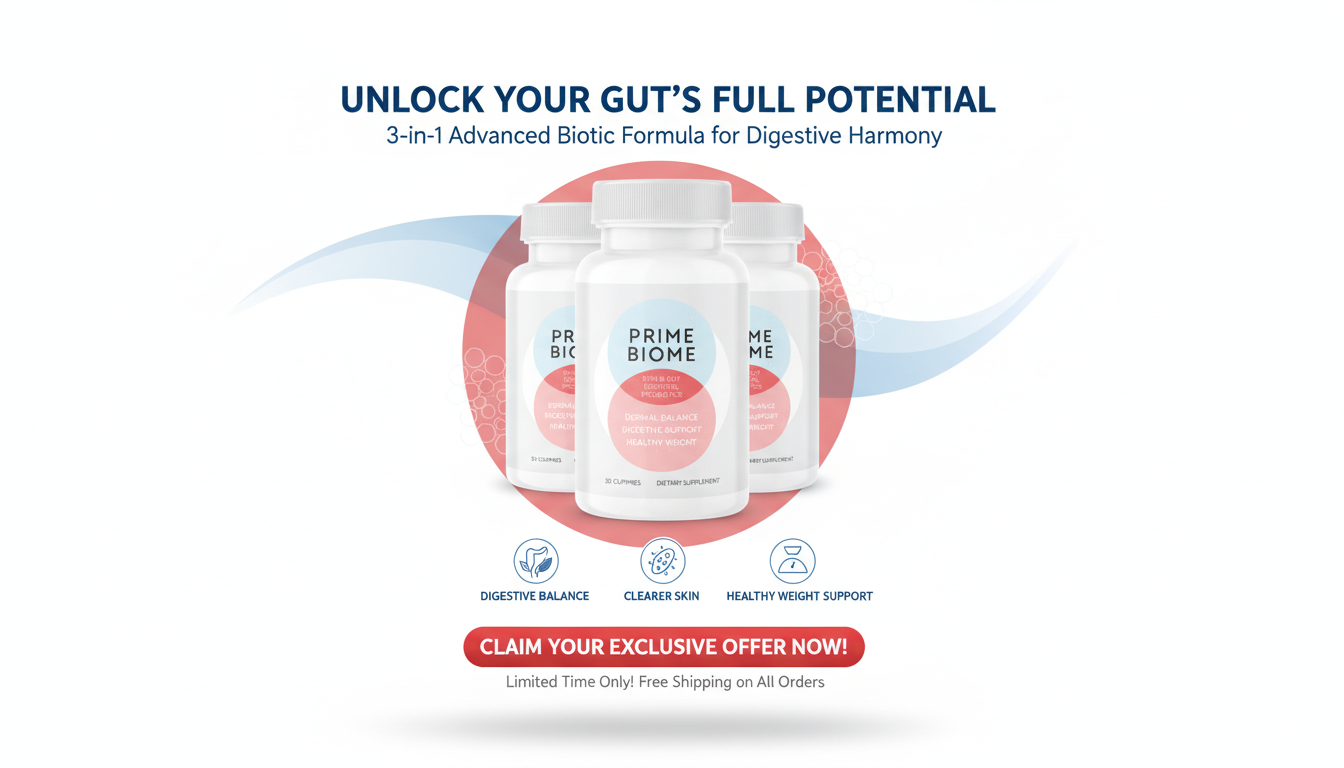
One such formula, PrimeBiome, is specifically designed around a powerful super-postbiotic to help address the root causes of gut and skin disruption. By delivering the finished beneficial byproducts directly, it offers a strategic way to support the intricate link between gut health and skin, helping to calm your system from the inside out.
In conclusion, the path to healthier, more radiant skin may not start in your bathroom cabinet, but rather in your kitchen and with your daily habits. By nurturing your gut microbiome, you are addressing the source of inflammation and nutrient malabsorption that can sabotage your skin. Focusing on a comprehensive approach that includes a balanced diet and targeted support with effective solutions like postbiotics can help you finally break the cycle of skin and digestive issues and unlock the clear, healthy complexion you deserve.
Frequently Asked Questions
How long does it take to see changes in my skin after improving my gut health?
Results can vary depending on the individual and the extent of the gut imbalance. Some people may notice improvements in digestion within a few weeks, while visible changes in the skin may take anywhere from 4 to 12 weeks as skin cells regenerate. Consistency is key.
Can I improve my gut health through diet alone?
A healthy diet is the most important factor for long-term gut health. However, a targeted supplement can provide a significant boost, especially when you are trying to correct a specific imbalance or support your system through a period of stress. It can help accelerate the process of restoring balance.
Is this approach safe?
Supporting your gut health through diet and well-formulated supplements is generally considered safe for most people. However, it is always recommended to consult with a healthcare professional before starting any new supplement regimen, especially if you have a pre-existing health condition or are taking other medications.