The Frustrating Reality of Crepey Skin
You first notice it in a certain light or when you move a certain way—skin that looks thin, fragile, and finely wrinkled, much like crepe paper. It might be on your hands, your neck, under your eyes, or on your upper arms. This isn’t just a simple wrinkle; it’s a change in the entire texture of your skin. If you’ve found yourself searching for answers to “what causes crepey skin,” you understand how frustrating it can be. You’ve likely tried countless creams and lotions that promise the world but deliver very little, leaving you feeling defeated and wondering if there’s a real solution.
The truth is, many surface-level treatments fail because they don’t address the underlying issues happening deep within your skin cells. To truly restore firmness and bounce, we need to look beyond moisturizers and understand the cellular engine that dictates how your skin looks, feels, and ages.
What Exactly Is Crepey Skin?
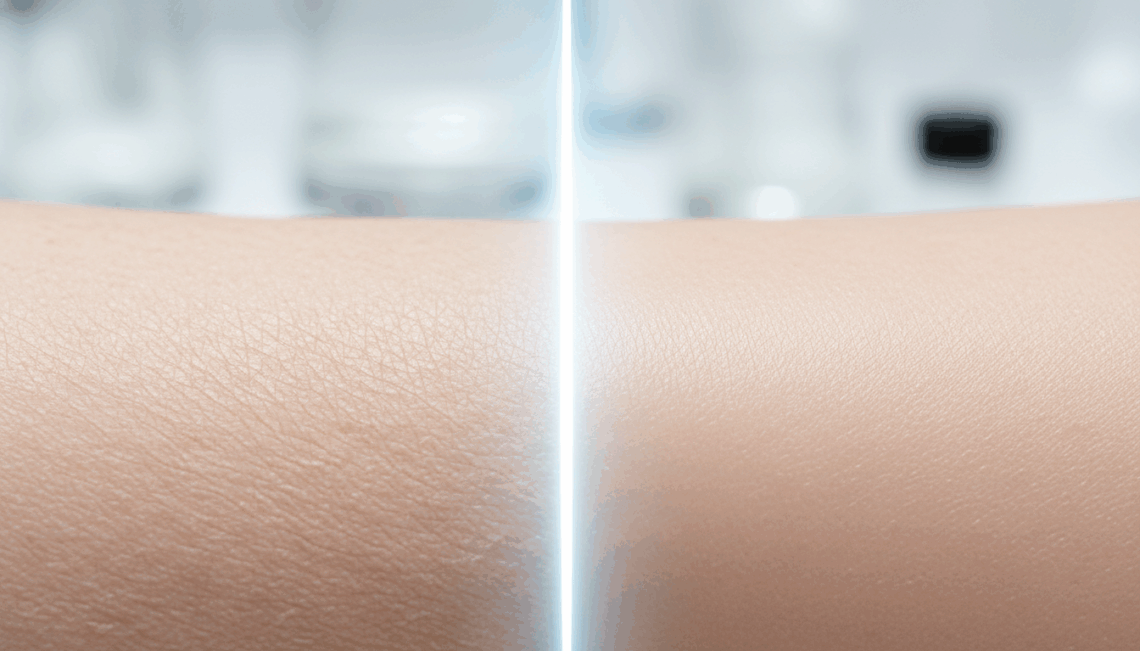
Crepey skin is different from standard wrinkles. While wrinkles are typically lines that form from repetitive muscle movements (like crow’s feet from smiling), crepey skin is a more widespread issue of skin laxity and texture. It feels thin, loose, and papery to the touch. It lacks the plumpness and resilience associated with youthful skin, making it appear more fragile and aged.
Common Areas Where Crepey Skin Appears
While it can technically appear anywhere, some areas are more susceptible due to skin thickness and sun exposure. These include:
- Around the Eyes: The skin here is naturally thin, making it one of the first places to show crepiness.
- The Neck and Chest (Décolletage): Often neglected in skincare routines and highly exposed to the sun.
- Inner Upper Arms: Skin laxity and sun damage contribute significantly here.
- Hands: Constant exposure to the elements makes hands a prime spot for premature aging and crepey texture.
- Knees: The skin around joints is constantly stretching and moving, which can contribute to a loss of firmness over time.
The Primary Causes of Crepey Skin
Understanding the “why” is the first step toward finding an effective “how.” Crepey skin is not the result of a single factor but a combination of environmental and biological processes that weaken the skin’s structural integrity.
Sun Damage: The #1 Culprit
If there is one primary antagonist in the story of your skin, it’s the sun. Years of unprotected sun exposure wreak havoc on your skin’s foundational proteins. UVA and UVB rays penetrate the skin and trigger the production of free radicals. These unstable molecules break down collagen and elastin—the two essential proteins that give your skin its structure, firmness, and elasticity. Without a strong collagen and elastin framework, the skin becomes thinner and loses its ability to snap back, leading directly to that signature crepey look.
The Natural Aging Process and Cellular Energy
As we age, our body’s natural processes begin to slow down. The production of new collagen and elastin declines sharply. Cell turnover, the process of shedding old skin cells and replacing them with new ones, also becomes more sluggish. But there’s a deeper reason for this slowdown: a decline in cellular energy.
Deep inside our cells are tiny powerhouses called mitochondria. Their job is to convert nutrients into the energy that cells need to function, repair, and regenerate. Younger skin cells have vibrant, efficient mitochondria, providing ample energy to produce collagen and maintain a healthy skin barrier. However, with age and environmental stress, these mitochondria can become damaged and less efficient. This energy crisis at the cellular level means skin cells can no longer perform their repair and rebuilding duties effectively, accelerating the onset of sagging and crepiness.
Dehydration and Lifestyle Factors
While sun exposure and cellular aging are the primary drivers, other factors can exacerbate the problem. Chronic dehydration deprives the skin of the moisture it needs to remain plump and resilient. Significant weight fluctuations can stretch the skin, damaging the elastin fibers. Smoking and poor nutrition also introduce free radicals and deprive the skin of the essential nutrients needed for repair.

How to Address the Root Cause of Crepey Skin
Now that we understand what causes crepey skin on a cellular level, we can explore more effective strategies. The goal is not just to hydrate the surface but to support the very foundation of the skin.
Traditional Approaches: Hydration is Key
Good hydration is non-negotiable. Look for moisturizers with ingredients like hyaluronic acid, which draws moisture into the skin, and ceramides, which help repair the skin’s natural barrier. Ingredients like retinoids (a derivative of Vitamin A) can also be beneficial, as they are proven to stimulate collagen production and increase cell turnover over time. However, these can be irritating for some and take months to show results.
A Modern Approach: Supporting Your Skin’s Cellular Engine
What if, in addition to hydrating and protecting, you could directly support the energy production within your skin cells? This is where modern skincare science is making incredible strides. Addressing the decline in mitochondrial function offers a new frontier in the fight against crepey skin.
This is the principle behind innovative formulas like Mitolyn. It’s a specialized serum developed to address the visible signs of aging by targeting their cellular source. Rather than just sitting on the surface, its polyphenol-rich formula is designed to support the health and efficiency of your mitochondria. By nourishing these cellular powerhouses, you help provide your skin with the energy it needs to carry out its natural repair processes, helping to restore the look of firmness and smoothness from within.
Creating a Holistic Routine to Improve Skin Texture
A targeted serum is a powerful tool, but for the best results, it should be part of a comprehensive skincare and wellness routine. Lasting change comes from a combination of powerful treatments and consistent, healthy habits.
- Prioritize Sun Protection: This is the most crucial step. Use a broad-spectrum sunscreen with at least SPF 30 every single day, regardless of the weather.
- Stay Hydrated: Drink plenty of water throughout the day to keep your skin hydrated from the inside out.
- Eat a Nutrient-Rich Diet: A diet rich in antioxidants (from fruits and vegetables), healthy fats (from avocados and nuts), and lean protein provides the building blocks for healthy skin.
- Gentle Exfoliation: Using a gentle exfoliant with AHAs (like glycolic or lactic acid) can help remove the buildup of dead skin cells and improve texture, allowing your treatment products to penetrate more effectively.
- Be Consistent: Skincare is a marathon, not a sprint. Stick with your routine consistently to give your skin the time it needs to repair and rejuvenate.
Conclusion: A New Strategy for Firm, Resilient Skin
The appearance of crepey skin is a clear sign that the structural integrity of your skin is compromised. It’s a complex issue driven by sun damage and the natural decline of cellular energy. While traditional moisturizers can offer temporary relief, a truly effective approach must go deeper.
By understanding what causes crepey skin at the cellular level—specifically, the role of your mitochondria—you can make more informed choices about your skincare. Supporting your skin’s natural energy production with a targeted, nutrient-rich serum is a modern strategy that addresses the problem at its source. Paired with a diligent sun protection habit and a healthy lifestyle, you can empower your skin to look smoother, feel firmer, and regain its youthful resilience.
Frequently Asked Questions (FAQ)
Can you completely reverse crepey skin?
While it’s difficult to completely “reverse” skin aging, you can make significant improvements in the texture and firmness of crepey skin. A consistent routine with effective products, sun protection, and a healthy lifestyle can restore a great deal of smoothness and resilience. The key is managing expectations and staying consistent.
How long does it take to see improvements?
This varies greatly depending on the individual, the severity of the skin concern, and the products used. With any new skincare routine, it’s best to be patient. You may start to see subtle improvements in hydration and texture within a few weeks, but more significant changes in firmness and collagen remodeling typically take at least 2-3 months of consistent use.
Is this type of skin only related to age?
While age is a major factor, it’s not the only one. Premature crepey skin can appear in younger individuals due to excessive sun exposure, smoking, or rapid weight loss. Genetics also plays a role in how your skin ages. Regardless of age, the solutions—protecting your skin from the sun and supporting its cellular health—remain the same.