The Unseen Battle: What Makes Stubborn Fat So Stubborn?
It’s one of the most common frustrations in any health and fitness journey: you’re eating well, you’re exercising consistently, and you’re seeing results on the scale. Yet, when you look in the mirror, that persistent layer of stubborn fat on stomach areas, hips, or thighs just refuses to leave. It can be disheartening and make you feel like your efforts are in vain. But what if we told you it’s not a lack of willpower? The truth is, this type of fat is biologically different, and understanding the science behind it is the first step toward effectively addressing it.
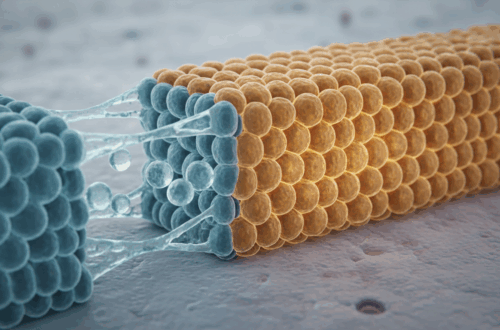
Unlike the more easily burned visceral fat that surrounds your organs, subcutaneous fat—the pinchable layer just under the skin—is notoriously resistant. This is especially true in specific areas where your body is genetically programmed to store energy for survival. These fat cells have unique properties that make them less responsive to traditional fat-burning signals, creating a frustrating physiological roadblock.
The Cellular Gatekeepers: Alpha vs. Beta Receptors
To understand stubborn fat, we need to think of fat cells like tiny vaults controlled by locks and keys. Your body uses hormones like adrenaline and noradrenaline as “keys” to unlock these vaults and release stored fat (fatty acids) into the bloodstream to be used for energy. The “locks” on the fat cells are called adrenergic receptors, and they come in two main types that have opposite functions.
- Beta-2 Receptors (The Green Light): These receptors are pro-fat burning. When hormones bind to them, they kickstart a process called lipolysis, which is the breakdown and release of fat. They essentially give the green light for fat to be used as fuel.
- Alpha-2 Receptors (The Red Light): These receptors do the exact opposite. When activated, they block lipolysis and tell the cell to hold onto its fat stores. They are the stubborn gatekeepers, effectively hitting the brakes on fat release.
Here’s the critical part: the distribution of these receptors is not uniform across your body. Areas with stubborn fat on stomach, love handles, and thighs have a much higher concentration of Alpha-2 receptors compared to Beta-2 receptors. This means that even when your body is in a fat-burning state, these specific areas are getting a strong signal to stay locked down.
Blood Flow: The Forgotten Factor
Another crucial piece of the puzzle is blood flow. For fat-burning hormones to even reach the fat cells, they need a clear delivery route through your bloodstream. Have you ever noticed that stubborn fat areas often feel colder to the touch? That’s because they have poorer circulation compared to other parts of your body. This reduced blood flow means fewer fat-releasing hormones can get to the cells, and even if fat is released, it’s harder to transport it away to be burned for energy. The Alpha-2 receptors contribute to this by constricting blood vessels, further isolating the area.

Why Crunches and Cardio Aren’t the Whole Answer
The myth of “spot reduction”—the idea that you can burn fat from a specific area by exercising that body part—has been thoroughly debunked. Doing hundreds of crunches might strengthen your abdominal muscles, but it does very little to address the layer of fat on top. This is because the signal to burn fat is systemic, not localized. Your body decides where to pull fat from based on genetics and hormonal signals, not on which muscles are working.
While overall fat loss through a calorie deficit and consistent exercise is essential, it doesn’t override the biology of stubborn fat cells. As you lose weight, your body will pull fat from the easiest places first—areas with more Beta-2 receptors. The stubborn areas are always the last to go, and for many people, they never seem to go away completely. This is where a more targeted approach becomes necessary.
A Modern Approach: Supporting Your Body’s Cellular Machinery
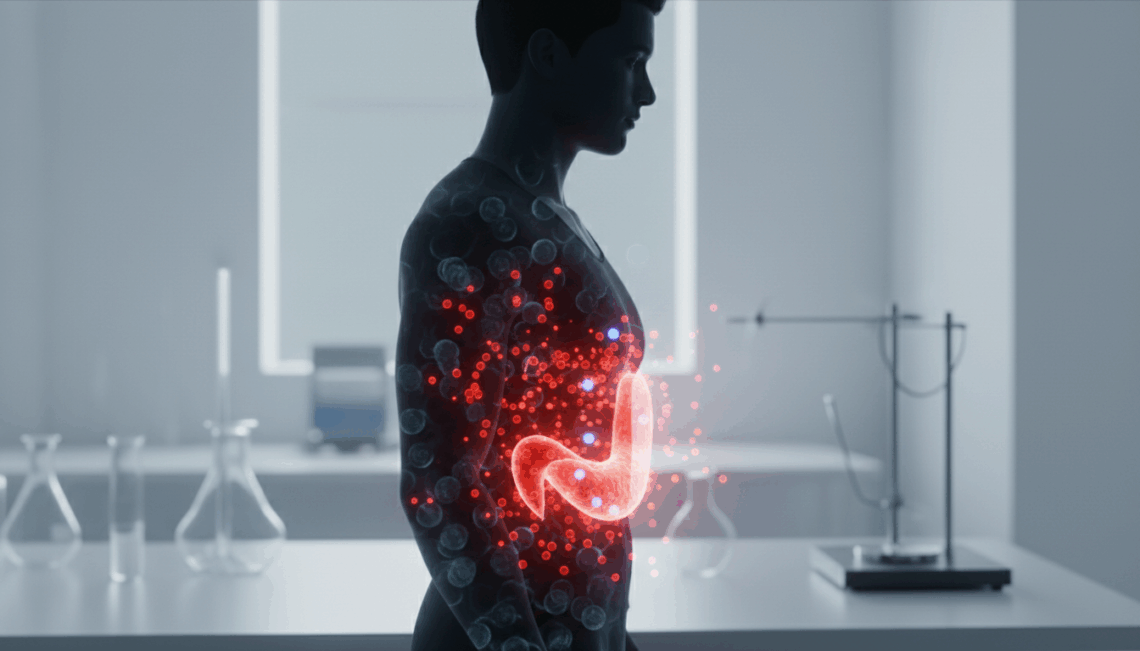
Since the problem lies at the cellular level, the solution must also support the body’s processes at that depth. Frustration with traditional methods has led researchers to explore new pathways for addressing localized fat. The focus has shifted from simply “burning calories” to creating an environment where stubborn fat cells can become more responsive to the body’s natural signals.
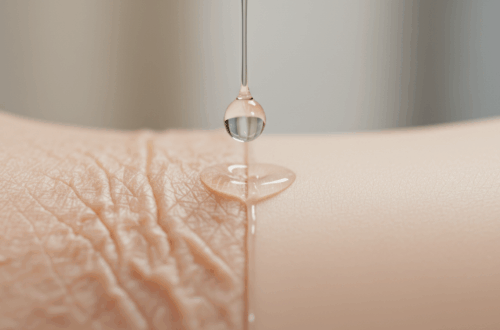
This is where new scientific formulations come into play. Innovations in topical serums, for example, are being designed to be applied directly to stubborn areas. The goal of a product like Mitolyn is to deliver key ingredients that can be absorbed through the skin to help support the underlying cellular environment. By promoting better circulation and supporting the health of mitochondria (the energy factories within cells), these modern solutions aim to help your body overcome the biological roadblocks of Alpha-2 receptors and poor blood flow. They work in concert with your healthy lifestyle, providing targeted support where you need it most.
Lifestyle Adjustments to Complement a Targeted Strategy
While a targeted serum can provide support, it works best as part of a holistic approach. Certain lifestyle factors can influence the hormones that control fat storage and release.
- Manage Cortisol Levels: Chronic stress elevates cortisol, a hormone that can encourage fat storage, particularly in the abdominal area. Incorporating stress-management techniques like meditation, deep breathing, or yoga can have a significant impact.
- Prioritize Sleep: Lack of quality sleep disrupts the hormones that regulate appetite and fat storage, such as ghrelin and leptin. Aim for 7-9 hours of uninterrupted sleep per night.
- Stay Hydrated: Water is essential for all metabolic processes, including lipolysis. Proper hydration supports optimal blood flow, helping transport hormones to fat cells and carry fatty acids away to be burned.
- Balance Your Diet: Focus on a diet rich in whole foods, lean protein, healthy fats, and fiber. This helps stabilize blood sugar and insulin levels, reducing the signals that promote fat storage.
Conclusion: It’s Science, Not a Personal Failure
The key takeaway is that struggling with stubborn fat on stomach and other areas is not your fault. It is a complex physiological issue governed by hormones, genetics, and cellular biology. Understanding the roles of Alpha and Beta receptors, blood flow, and insulin sensitivity empowers you to move beyond frustration and adopt a smarter, more effective strategy. By combining a consistent, healthy lifestyle with modern, scientifically-backed approaches that target the problem at its source, you can create a comprehensive plan to finally address those resistant areas and achieve the results your hard work deserves. Always remember to consult with a healthcare professional before starting any new supplement or fitness regimen to ensure it’s right for you.