Feeling Constantly Bloated? You’re Not Alone
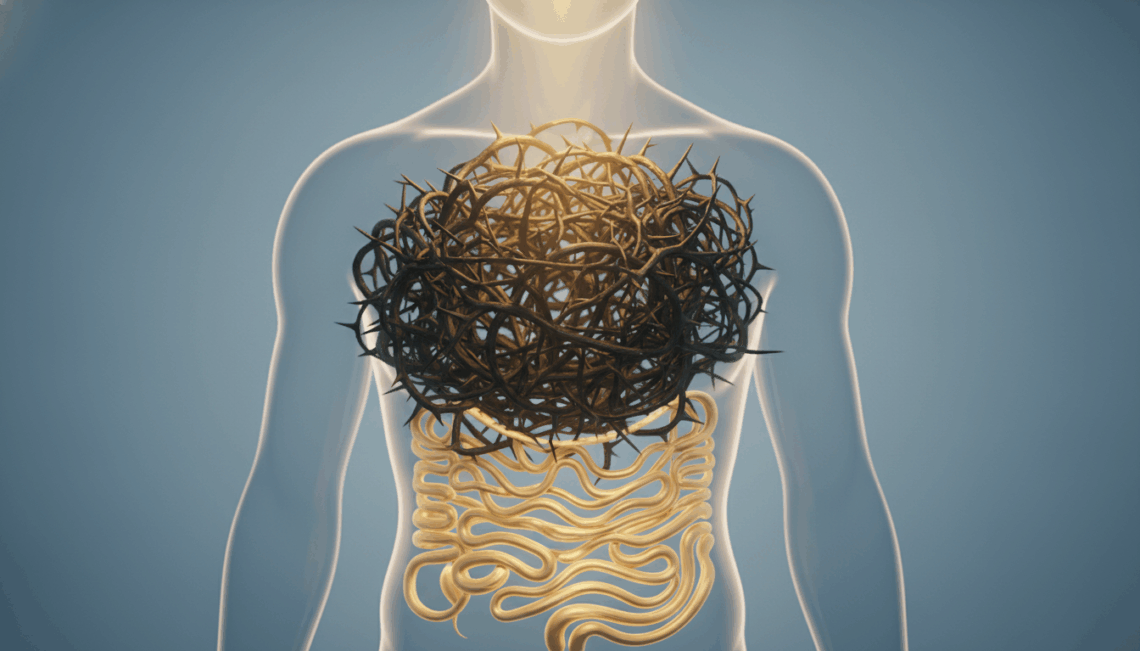
That persistent, uncomfortable pressure in your abdomen. The feeling of being full after only a few bites. The embarrassing and often unpredictable gas. If this sounds familiar, you’re one of millions struggling with chronic bloating. It’s more than just a minor inconvenience; it can disrupt your confidence, dictate your clothing choices, and drain your energy. But what are the real causes of constant bloating and gas? The answer is often more complex than just “something you ate.”
Many people resign themselves to living with this discomfort, believing it’s just a normal part of their body’s function. However, persistent bloating is often a signal from your gut that something is out of balance. Understanding the root cause is the first critical step toward finding genuine, lasting relief. In this guide, we’ll explore the intricate world of your digestive system to uncover the primary culprits behind that stubborn bloat and what you can do about it.
The Gut Microbiome: Where Most Digestive Issues Begin
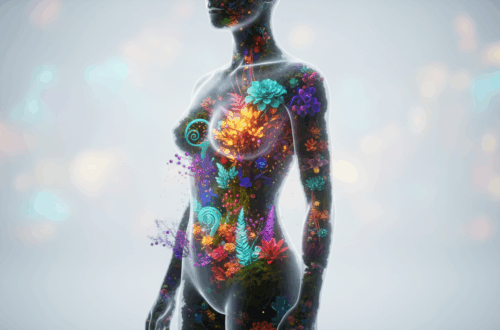
At the heart of your digestive health is the gut microbiome—a complex ecosystem of trillions of bacteria, fungi, and other microbes living in your digestive tract. When this ecosystem is in harmony, it aids digestion, supports your immune system, and even influences your mood. But when it’s out of balance, a condition known as dysbiosis, it can be one of the leading causes of constant bloating and gas.
What is Gut Dysbiosis?
Dysbiosis occurs when there’s an imbalance between the beneficial and harmful bacteria in your gut. Harmful bacteria can ferment undigested food in ways that produce excessive gas, leading to that familiar feeling of pressure and bloating. This imbalance can be triggered by several factors, including:
- A diet high in processed foods and sugar: These foods feed the harmful bacteria, allowing them to multiply and overpower the good ones.
- Use of antibiotics: While necessary for treating infections, antibiotics can wipe out both good and bad bacteria, disrupting the delicate balance.
- Chronic stress: Stress can negatively impact gut health by altering gut motility and increasing intestinal permeability (often called “leaky gut”).
- Lack of dietary fiber: Beneficial bacteria thrive on prebiotic fiber from fruits, vegetables, and whole grains. A low-fiber diet can starve them.
When your gut microbiome is compromised, your body struggles to process food efficiently. This leads not only to bloating and gas but can also contribute to fatigue, skin issues, and difficulty managing weight. Restoring this microbial balance is fundamental to achieving digestive comfort.

Other Common Causes of Constant Bloating and Gas
While gut dysbiosis is a primary suspect, several other factors can contribute to chronic digestive distress. It’s often a combination of issues that creates the perfect storm for bloating.
Small Intestinal Bacterial Overgrowth (SIBO)
SIBO is a condition where bacteria that normally reside in the large intestine start to grow in the small intestine. Your small intestine isn’t designed to house a large number of microbes. When they overgrow there, they ferment carbohydrates prematurely, producing large amounts of hydrogen and methane gas. This gas buildup can cause severe bloating, abdominal pain, and irregular bowel movements. SIBO often requires a specific diagnosis and treatment plan from a healthcare professional.
Food Intolerances and Sensitivities
Unlike a food allergy, which involves an immune response, a food intolerance means your digestive system has difficulty breaking down a particular food. The most common culprits include:
- Lactose Intolerance: Difficulty digesting the sugar in dairy products.
- Fructose Malabsorption: Trouble absorbing the sugar found in many fruits, honey, and high-fructose corn syrup.
- Gluten Sensitivity: While not celiac disease, many people experience bloating and discomfort after eating wheat, barley, or rye.
Identifying trigger foods through an elimination diet, under the guidance of a professional, can often provide significant relief.
Poor Eating Habits and Swallowing Air
Sometimes, the cause is less about *what* you eat and more about *how* you eat. Swallowing excess air, a condition known as aerophagia, is a common but overlooked cause of bloating. This can happen when you:
- Eat too quickly
- Talk while eating
- Chew gum or drink carbonated beverages
- Drink through a straw
This trapped air builds up in your digestive tract, leading to a bloated stomach and the need to belch or pass gas to relieve the pressure.
How to Address the Root Causes for Lasting Relief
Finding a solution requires a holistic approach that focuses on restoring balance to your digestive system. While quick fixes might offer temporary relief, they rarely address the underlying problem. The goal is to create a healthy gut environment where digestion can occur smoothly and efficiently.
Step 1: Focus on a Gut-Friendly Diet
Start by incorporating more whole, unprocessed foods into your diet. Focus on high-fiber vegetables, lean proteins, and healthy fats. Reduce your intake of sugar, artificial sweeteners, and highly processed foods that can feed bad gut bacteria. Pay attention to how your body feels after meals to identify potential food sensitivities.
Step 2: Cultivate Healthy Eating Habits
Slow down during meals. Chew your food thoroughly to aid digestion and prevent yourself from swallowing excess air. Sit down to eat in a calm, relaxed environment instead of on the go. These simple changes can make a significant difference in your daily comfort levels.
Step 3: Support Your Gut Microbiome
This is arguably the most crucial step for long-term relief. Actively supporting your gut’s ecosystem can help rebalance your microbiome and combat the core issues driving your symptoms. This is where targeted nutritional support can be incredibly effective.
A well-formulated supplement can provide the specific strains of beneficial bacteria and nutrients needed to restore harmony. For example, PrimeBiome is designed to address this very issue. It combines four powerful gut-healing probiotics with tributyrin, a postbiotic that helps fortify the gut lining. This synergistic approach doesn’t just add good bacteria; it helps create an environment where they can thrive, effectively addressing the dysbiosis that is one of the main causes of constant bloating and gas.
Conclusion: Take Control of Your Digestive Health
Living with constant bloating and gas is not something you have to accept. By understanding the potential root causes—from an imbalanced gut microbiome to SIBO and poor eating habits—you can start taking targeted steps toward relief. The journey begins with mindful eating, identifying your triggers, and, most importantly, actively supporting the health of your gut ecosystem. A balanced microbiome is the foundation of digestive wellness, helping you feel lighter, more energetic, and free from discomfort.
If you’ve tried everything else and are looking for a comprehensive way to support your gut health, consider a scientifically formulated supplement designed to restore that crucial balance. By addressing the problem at its source, you can finally achieve the lasting comfort you deserve.
Frequently Asked Questions (FAQ)
Q: Can stress really cause bloating?
A: Absolutely. The gut and brain are intricately connected (the “gut-brain axis”). Chronic stress can disrupt digestion, alter gut bacteria, and increase intestinal sensitivity, all of which can lead to bloating and discomfort.
Q: How long does it take to rebalance the gut microbiome?
A: It varies for everyone. Some people may notice improvements in a few weeks with consistent dietary changes and supplementation, while for others, it may take a few months. Consistency is key.
Q: Should I see a doctor about my bloating?
A: If your bloating is severe, persistent, or accompanied by other concerning symptoms like unexplained weight loss, blood in the stool, or intense pain, it is essential to consult a healthcare professional to rule out any underlying medical conditions.