
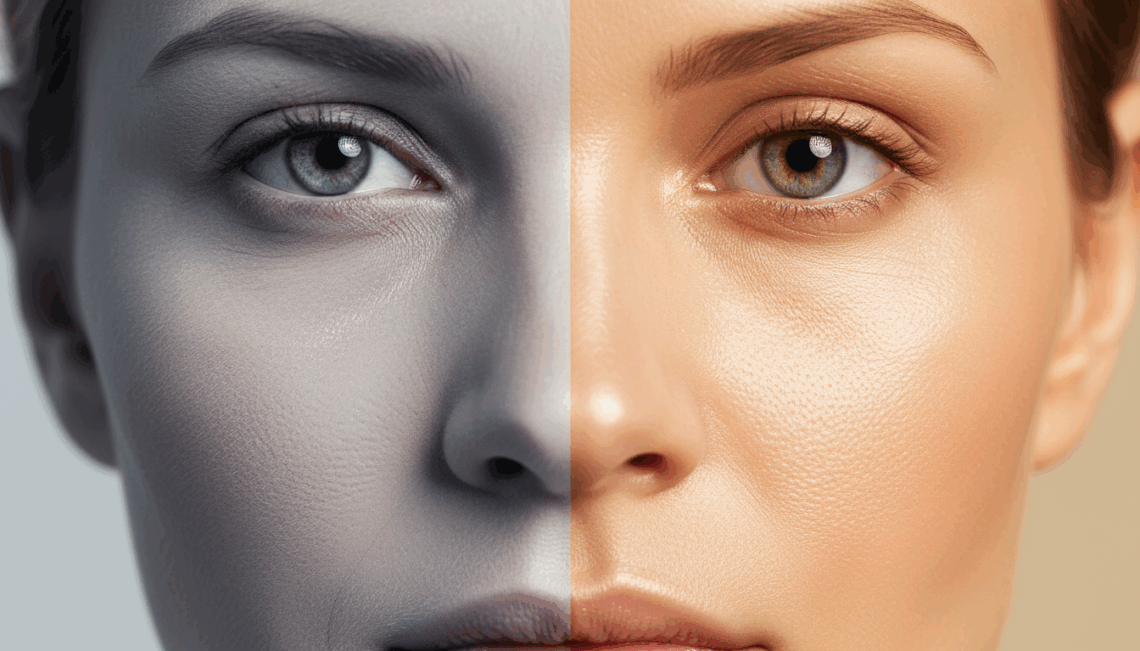
Understanding the Root of Tired-Looking Skin
Have you ever looked in the mirror and felt that your skin just looks… tired? It might not be about a single wrinkle or a specific dark spot, but an overall lack of vitality. This persistent dullness and loss of vibrancy is a common frustration, and many people struggle to find a solution that works. You might be cleansing, moisturizing, and even using specialized treatments, yet that youthful glow remains elusive. This condition, often referred to as “dermal fatigue,” goes deeper than surface-level issues. It speaks to the health and energy of your skin at a cellular level.
Understanding the signs of dermal fatigue is the first step toward effectively addressing them. It’s about recognizing that your skin isn’t just aging; it’s tired. Its internal energy systems are becoming less efficient, leading to a cascade of visible symptoms that traditional skincare often fails to resolve. In this guide, we will explore what dermal fatigue is, how to identify its key indicators, and discuss a modern approach to re-energizing your skin from within.
What Exactly Is Dermal Fatigue?
Dermal fatigue isn’t a formal medical term, but it perfectly describes a state where the skin’s natural repair and regeneration processes have slowed down significantly. The core of this issue lies with the mitochondria, the tiny powerhouses within each of our cells, including our skin cells (keratinocytes and fibroblasts). These mitochondria are responsible for producing the energy (ATP) that fuels everything from cell repair to the production of collagen and elastin—the proteins that keep our skin firm and youthful.
Over time, a combination of internal and external factors can damage these cellular powerhouses. Environmental aggressors like UV radiation and pollution, combined with lifestyle factors like stress and poor nutrition, create oxidative stress. This stress unleashes free radicals that attack and weaken mitochondria. When mitochondrial function declines, energy production drops, and the skin cell can no longer perform its duties effectively. The result is a complexion that looks perpetually worn out, and this is the essence of dermal fatigue.
The Top 5 Signs of Dermal Fatigue You Shouldn’t Ignore
Recognizing dermal fatigue requires looking beyond the obvious signs of aging. It’s about noticing a collection of symptoms that point to a deeper, cellular-level exhaustion. Here are the most common indicators.
1. Persistent Dullness and Lack of Radiance
One of the most immediate signs of dermal fatigue is a loss of luminosity. Healthy, energized skin has a natural glow because its cells are turning over efficiently, and light reflects evenly off its smooth surface. When skin cells are fatigued, the cell turnover process slows dramatically. Dead, dull cells accumulate on the surface, scattering light instead of reflecting it. This creates a lackluster, flat appearance, as if the skin’s inner light has been dimmed.
2. Fine Lines and Wrinkles Appear More Pronounced
While wrinkles are a natural part of aging, dermal fatigue can make them appear deeper and more noticeable, even when you’re well-rested. This happens because fatigued cells struggle to produce enough collagen and elastin. Collagen provides the skin with its structural support, while elastin gives it bounce and flexibility. With diminished energy, the production of these vital proteins declines, causing the skin to lose its plumpness and resilience. Fine lines that were once barely visible can quickly become more etched and prominent.
3. Loss of Firmness and Elasticity
Does your skin feel less “bouncy” than it used to? When you gently pinch your cheek, does it take a moment longer to snap back into place? This loss of elasticity is a classic sign of dermal fatigue. Fatigued fibroblasts simply don’t have the energy to maintain the strong, flexible matrix that keeps the skin taut. As the underlying structure weakens, gravity takes its toll, leading to sagging, particularly around the jawline, neck, and cheeks.

4. Uneven Skin Tone and Texture
Tired skin cells have a harder time repairing damage and maintaining a smooth, even surface. This can manifest as a rough, almost bumpy texture and an increase in blotchiness or discoloration. The cellular processes that manage pigment (melanin) can become erratic, leading to patches of hyperpigmentation. Furthermore, the slow cell turnover contributes to clogged pores and a generally uneven complexion, making the skin look older and less healthy.
5. Your Skincare Products Seem to Have Stopped Working
A major source of frustration is when your trusted, high-quality skincare routine suddenly seems ineffective. You may be using excellent products, but if your skin cells lack the energy to utilize the ingredients, the benefits will be minimal. Fatigued cells have impaired absorption and are less responsive to active ingredients. If you feel like you’ve hit a plateau and your products are no longer delivering results, it may not be the product’s fault. It could be one of the most telling signs of dermal fatigue.
What Causes Dermal Fatigue at a Deeper Level?
To truly address this issue, it’s crucial to understand the aggressors that drain our skin’s energy. These factors contribute directly to the mitochondrial damage that underlies dermal fatigue.
Key Environmental Aggressors
- UV Radiation: Sun exposure is the number one cause of premature skin aging. UV rays generate a massive amount of free radicals that directly attack mitochondrial DNA, crippling the cell’s ability to produce energy.
- Pollution: Airborne pollutants, such as particulate matter and ozone, can penetrate the skin and trigger oxidative stress, further burdening the skin’s defense and repair mechanisms.
- Blue Light: Emerging research suggests that high-energy visible (HEV) light from screens and devices may also contribute to oxidative stress in the skin, accelerating the signs of fatigue.
Lifestyle and Internal Factors
- Chronic Stress: High levels of the stress hormone cortisol can promote inflammation and degrade collagen, while also contributing to cellular exhaustion.
- Lack of Sleep: The skin repairs itself most actively during sleep. Consistently missing out on quality rest deprives your skin of this critical regeneration time, leading to an accumulation of cellular damage.
- Poor Nutrition: A diet lacking in antioxidants—found in fruits, vegetables, and other whole foods—leaves your skin vulnerable to free radical damage. Sugar and processed foods can also promote inflammation, further stressing the skin.
A Modern Approach to Revitalizing Fatigued Skin
So, how do you combat a problem that starts deep within the skin’s cells? The solution requires moving beyond surface-level hydration and targeting the core issue: cellular energy. The key is to protect the mitochondria from damage and support their natural function. This is where a new class of skincare ingredients comes into play, particularly potent antioxidants known as polyphenols.
Polyphenols are powerful compounds found in plants that help protect them from environmental stressors. When applied to the skin, they can do the same for our cells. They work by neutralizing the specific oxidants that target mitochondria, effectively shielding these cellular powerhouses from harm. By protecting the source of cellular energy, the skin is better equipped to repair itself, produce collagen, and regain its natural vitality.
Introducing Mitolyn: A Polyphenol Dermal Rejuvenator
One of the most advanced formulas designed specifically to combat the signs of dermal fatigue is a serum called Mitolyn. It was developed based on the principle of protecting and revitalizing skin at the mitochondrial level. Instead of just masking the symptoms, Mitolyn focuses on addressing the root cause of tired, aging skin.
Its formula contains a proprietary blend of highly concentrated polyphenols sourced from rare botanicals known for their exceptional antioxidant properties. These specific compounds are chosen for their unique ability to neutralize the hidden oxidants that deplete cellular energy. By restoring the optimal function of skin cell mitochondria, Mitolyn helps your skin regain its ability to behave like its younger self—more vibrant, firmer, and more resilient.
Conclusion: Reclaiming Your Skin’s Natural Energy
Recognizing the signs of dermal fatigue is a crucial paradigm shift in how we approach skincare. It’s an understanding that the dullness, sagging, and pronounced wrinkles you see are symptoms of a deeper energy crisis within your skin. By shifting the focus from simply covering up these flaws to addressing the health of your cellular powerhouses, you can achieve a more profound and lasting rejuvenation.
Protecting your skin from environmental aggressors and adopting a healthy lifestyle are foundational steps. However, for those seeking to actively reverse the signs of cellular exhaustion, incorporating a targeted, polyphenol-rich treatment can be transformative. By supporting your skin’s core energy systems, you can help restore its natural luminosity, firmness, and youthful vitality from the inside out.
Frequently Asked Questions (FAQ)
1. Is dermal fatigue a real medical condition?
While “dermal fatigue” is a descriptive term rather than a clinical diagnosis, the underlying biological processes—such as mitochondrial dysfunction and oxidative stress—are well-documented scientific concepts in skin aging. The term effectively describes the visible outcome of these cellular-level issues.
2. Can I reverse the signs of dermal fatigue with diet alone?
A diet rich in antioxidants is incredibly important for skin health and can help protect against oxidative stress from the inside. However, topical application of concentrated antioxidants, like the polyphenols in a targeted serum, can provide a more direct and potent defense for the skin cells, complementing the benefits of a healthy diet.
3. How long does it take to see results when addressing dermal fatigue?
Because addressing dermal fatigue involves repairing cellular function, results are not instantaneous. With consistent use of a targeted treatment designed to support mitochondrial health, most people begin to notice improvements in radiance, texture, and firmness within several weeks as the skin begins its regeneration cycle with renewed energy.
Disclaimer: The information provided in this article is for educational purposes only and should not be considered medical advice. Always consult with a dermatologist or healthcare professional before starting any new skincare regimen.