The Frustrating Plateau: When Good Skincare Seems to Fail
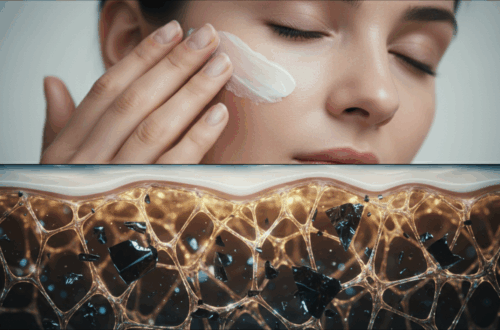
You do everything right. You invest in high-quality skincare, follow a consistent routine, and maybe even see some wonderful initial results. The fine lines soften, your skin feels plumper, and there’s a noticeable glow. But then, a few months down the line, something shifts. The progress stalls, and it feels like your expensive products have simply lost their magic. If you’ve ever looked in the mirror and asked, “Why do anti-aging creams stop working?“, you are not alone. This frustrating plateau is a common experience, and it often has less to do with the product and more to do with what’s happening deep beneath your skin.
This isn’t about blaming your favorite serum or moisturizer. Ingredients like retinol, Vitamin C, and hyaluronic acid are well-researched and effective for many. However, they primarily work on managing the symptoms of aging. They can speed up cell turnover, provide a temporary plumping effect through hydration, or fight off environmental damage. But what if the root cause of aging lies deeper, in a cellular process that these ingredients don’t address? This article explores the science behind why your skincare routine might feel like it’s hit a wall and introduces a different way of thinking about skin aging.
Understanding the Limits of Traditional Ingredients
Let’s take a closer look at the heroes of the anti-aging world and understand their mechanisms. This helps clarify why they might offer temporary or surface-level results.
Retinoids (like Retinol)
Retinoids are champions of cell turnover. They encourage your skin to shed old, damaged cells faster and replace them with new, fresh ones. This is excellent for improving texture and reducing the appearance of fine lines. However, this is an accelerated management process. It doesn’t necessarily stop the underlying mechanism that is causing the cells to age in the first place.
Hyaluronic Acid
A superstar hydrator, hyaluronic acid can hold up to 1,000 times its weight in water. When applied to the skin, it acts like a sponge, drawing in moisture and giving your skin a temporary, plump, and dewy look. This can instantly make fine lines and wrinkles less visible. But this effect is largely cosmetic and transient. Once the hydration is gone, the volume decreases, and the lines reappear. It’s a wonderful support ingredient, but it doesn’t rebuild your skin’s fundamental structure.
Vitamin C
As a potent antioxidant, Vitamin C is brilliant at protecting your skin from free radicals—unstable molecules from UV rays and pollution that damage cells and accelerate aging. It also plays a role in collagen synthesis. While it provides a crucial defensive shield, it’s primarily a protector, not a rebuilder of age-related damage that has already taken root deep within the cells.
These ingredients are like a highly skilled maintenance crew for a house. They can repaint the walls, fix the plumbing, and clean the windows, making the house look fantastic. But if the foundation itself has a persistent issue, the cosmetic fixes will only last so long.

Why Do Anti-Aging Creams Stop Working at a Cellular Level?
The real question is what causes that foundational issue in the first place. Recent scientific research has started to look beyond surface-level treatments to understand the core cellular triggers of skin aging. The answer seems to lie in specific proteins that accumulate over time and effectively jam the skin’s natural repair signals.
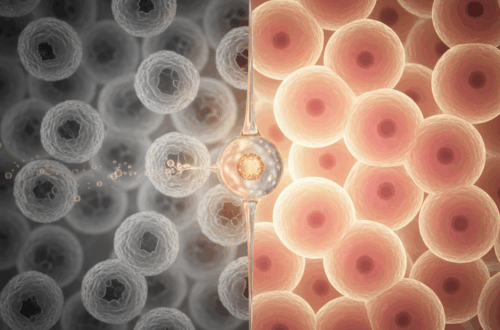
Imagine your skin cells have a communication system. When you’re young, this system is clear and efficient. Signals to produce collagen and elastin—the proteins that keep skin firm and bouncy—are sent and received without a problem. As we age, however, a “rogue” protein can appear and build up. This protein acts like static on the line, interrupting these crucial signals. It essentially tells the skin’s repair mechanisms to stand down.
When this happens, no matter how much you encourage cell turnover with retinol or hydrate with hyaluronic acid, you’re fighting an uphill battle. The fundamental instruction to rebuild and rejuvenate is being blocked at its source. This is the core reason why anti-aging creams stop working for many people; they are not designed to clear this deep cellular static.
A New Philosophy: Flushing Out the Root Cause
Understanding this problem has led to a new approach in skincare science: instead of just adding more ingredients to the skin, what if we could remove the barrier that is preventing the skin from healing itself? This is the philosophy behind a breakthrough discovery called Mitolyn.
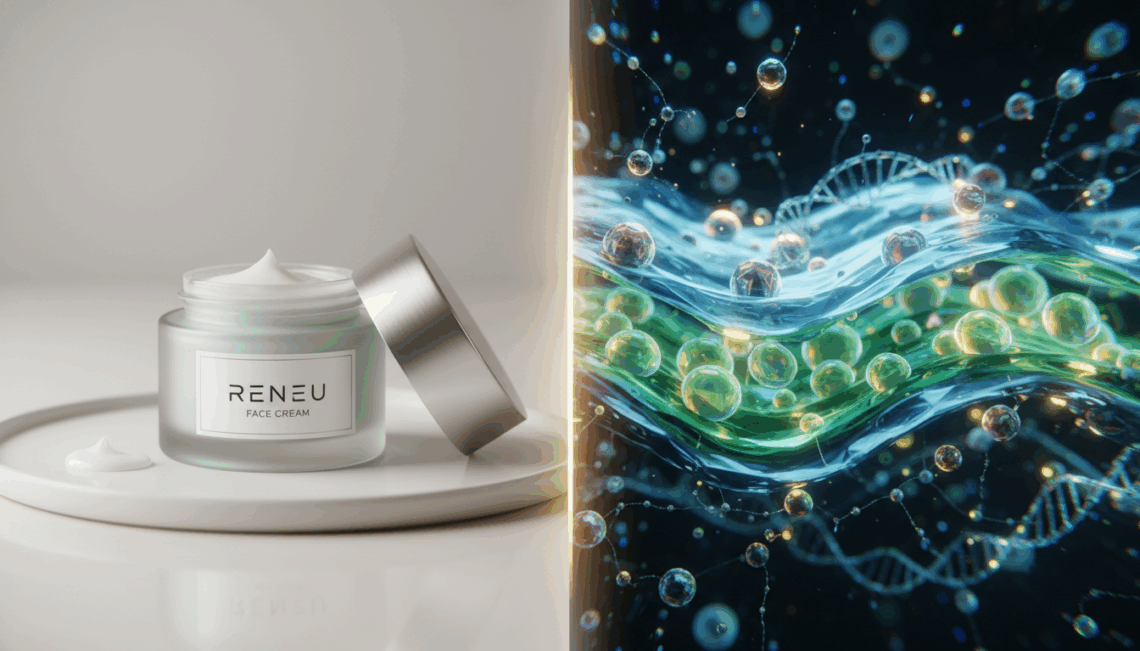
Mitolyn is not just another serum with familiar ingredients. It’s a formula developed based on MIT research that specifically targets that “rogue” age-causing protein (known as c-Kit). Its primary function is to help your body “flush out” this disruptive protein from the skin cells.
By clearing out this cellular static, Mitolyn allows the skin’s natural communication channels to reopen. The signals for collagen and elastin production can once again be sent and received clearly. In essence, it’s not about forcing the skin to do something with external ingredients; it’s about removing the roadblock so your skin can do what it naturally knows how to do: repair and rejuvenate itself from within.
How This Differs From Your Current Routine
Think of it this way:
- Traditional Creams: Work to manage the symptoms of aging (e.g., dryness, slow cell turnover, free radical damage).
- Mitolyn: Works to remove a root cause of aging (the signal-blocking protein), enabling the skin’s own systems to function properly again.
This doesn’t mean you need to throw away your entire skincare cabinet. In fact, by addressing the foundational problem, a product like Mitolyn can potentially make your other products work even better. Once the repair signals are back online, your skin can make more effective use of the vitamins, hydrators, and peptides you apply.
Integrating a Foundational Solution Responsibly
When considering a new and powerful approach to skincare, it’s crucial to be responsible and informed. The goal is long-term skin health, not overnight miracles. As with any potent product, it’s always wise to perform a patch test on a small area of skin first to ensure you have no sensitivities.
Furthermore, managing expectations is key. Rebuilding the skin from a cellular level is a gradual process. The damage didn’t occur overnight, and neither will the repair. Consistency is far more important than intensity. Most importantly, for any significant concerns about your skin health, consulting with a board-certified dermatologist is the best course of action. They can provide personalized advice and help you build a routine that is safe and effective for your specific needs.
Conclusion: A Shift from Symptom Management to Root Cause Solution
The feeling that your skincare has stopped working is not just in your head. It’s a sign that you may be focusing on the symptoms of aging rather than its deep-seated cellular triggers. While traditional ingredients play a valuable role in skin maintenance and protection, they often can’t resolve the underlying blockages that accumulate with age.
The frustration you feel is valid, but it’s also a doorway to a deeper understanding of your skin. By learning about the scientific advancements that target the root causes of aging, you empower yourself to make more strategic choices. The future of skincare may be less about adding layers of temporary fixes and more about clearing the way for your body’s own incredible power to heal and regenerate. It’s a shift from working on your skin to working with your skin.