
Understanding the Dreaded “Turkey Neck”
The term “turkey neck” is a colloquial, albeit unflattering, way to describe the wrinkled, sagging skin on the neck that can become more prominent with age. For many, it’s a significant cosmetic concern that can affect self-confidence. If you’ve ever looked in the mirror and felt frustrated by the texture and firmness of your neck, you’re not alone. The big question is, how to get rid of turkey neck effectively and what truly causes it?
The skin on our neck is thinner and more delicate than the skin on our face, making it more susceptible to the signs of aging. It also has fewer oil glands, which means it can dry out more easily and lose its elasticity faster. This isn’t just about surface-level changes; it’s a reflection of deeper biological processes that are happening within your skin cells. Understanding these root causes is the first step toward finding a solution that provides real, visible results.
What Are the Root Causes of Sagging Neck Skin?
Addressing turkey neck requires looking beyond simple moisturizers. The issue is rooted in structural changes within the skin. Here are the primary culprits behind the loss of firmness and the development of sagging neck skin.
1. The Decline of Collagen and Elastin
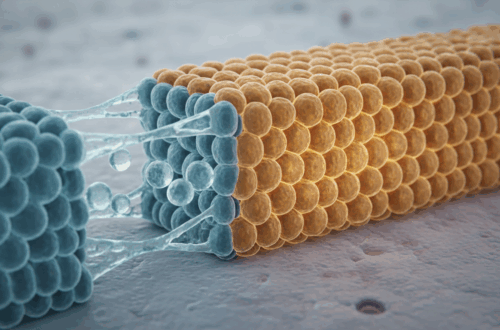
Think of collagen and elastin as the scaffolding that holds your skin up. Collagen provides firmness and structure, while elastin allows your skin to stretch and bounce back. Starting in our mid-20s, our bodies naturally begin to produce less of these critical proteins. As production slows down and existing fibers begin to break down, the skin’s underlying structure weakens, leading to sagging and wrinkles. This process is a natural part of aging, but it can be accelerated by external factors.
2. Sun Damage (Photoaging)
Years of sun exposure take a toll, especially on delicate areas like the neck which are often left unprotected. Ultraviolet (UV) radiation from the sun penetrates the skin and actively breaks down collagen and elastin fibers. This process, known as photoaging, is one of the biggest contributors to premature signs of aging, including the sagging skin characteristic of turkey neck. Many people are diligent about applying sunscreen to their face but often forget their neck and chest, leading to a noticeable difference in skin quality over time.
3. The Role of Mitochondria in Skin Health
Here’s where we get to the cellular level. Mitochondria are the tiny powerhouses inside your skin cells, responsible for generating the energy needed for cellular repair, regeneration, and collagen production. As we age, mitochondrial function can become less efficient. This energy deficit means skin cells can’t repair damage as effectively or produce the structural proteins needed to stay firm. This leads to what some experts call “leaky skin,” where the skin’s barrier is compromised, and it loses its youthful resilience. Addressing mitochondrial health is a crucial, often overlooked, aspect of any effective anti-aging strategy.
4. Lifestyle and Genetic Factors
Genetics certainly play a role in how your skin ages. However, lifestyle choices have a massive impact. Factors like smoking, poor nutrition, and dramatic weight fluctuations can all degrade skin quality and contribute to sagging. Tech neck, the strain on the neck from constantly looking down at phones and computers, can also deepen horizontal neck lines over time.

How to Get Rid of Turkey Neck: An Integrated Approach
A successful strategy for firming neck skin is not about a single “miracle” cream. It involves a combination of protective measures, supportive lifestyle habits, and targeted treatments that address the problem from the inside out.
Targeted Skincare Ingredients
While no cream can single-handedly reverse significant sagging, certain ingredients can help improve skin texture and firmness. Look for products containing:
- Retinoids: Derivatives of Vitamin A, retinoids are proven to boost collagen production and accelerate cell turnover.
- Peptides: These are amino acid chains that can signal your skin to produce more collagen.
- Vitamin C: A powerful antioxidant that helps protect against sun damage and is essential for collagen synthesis.
- Hyaluronic Acid: Helps to hydrate and plump the skin, temporarily reducing the appearance of fine lines.
Supporting Skin from a Cellular Level
Given the importance of cellular energy in skin repair, focusing on mitochondrial health is a forward-thinking approach. This is where conventional skincare often falls short, as many products only work on the surface. A solution that can penetrate the skin and support its fundamental processes offers a more comprehensive strategy. This is where innovative formulations can make a significant difference.
One such approach involves using ingredients that help protect and rejuvenate the skin’s cellular powerhouses. When your skin cells have the energy they need, they are better equipped to carry out their functions—like building new collagen and repairing damage. This is the logic behind Mitolyn, a topical serum designed to address the root causes of visible aging. By focusing on the cellular level, it aims to restore the skin’s natural ability to keep itself firm, smooth, and resilient, targeting issues like turkey neck where they begin.
Professional Treatments and Procedures
For more advanced sagging, you may consider consulting a dermatologist about professional treatments. Options can range from non-invasive procedures to surgical interventions:
- Ultherapy: Uses ultrasound energy to heat deep layers of the skin, stimulating collagen production.
- Radiofrequency (RF) Treatments: Similar to ultherapy, RF devices heat the skin to promote collagen remodeling and tightening.
- Microneedling: Creates micro-injuries in the skin to kickstart the body’s natural healing process and boost collagen.
- Neck Lift (Platysmaplasty): A surgical option for removing excess skin and tightening underlying muscles for a more dramatic and long-lasting result.
It’s essential to consult with a qualified medical professional to discuss which options are safe and appropriate for you. These procedures are not without risks and costs, and a professional can provide personalized advice based on your specific needs and health status.
Lifestyle Habits for a Firmer Neck
Never underestimate the power of your daily habits. The following practices can support any treatments you use and help prevent further damage.
- Wear Broad-Spectrum Sunscreen Daily: This is non-negotiable. Apply an SPF of 30 or higher to your face, neck, and chest every single day, rain or shine.
- Stay Hydrated: Drinking plenty of water helps keep your skin cells plump and functioning optimally.
- Eat a Balanced Diet: A diet rich in antioxidants (from fruits and vegetables), healthy fats, and lean protein provides the building blocks for healthy skin.
- Avoid Smoking: Smoking constricts blood vessels and creates free radicals, accelerating the aging process dramatically.
- Practice Good Posture: Be mindful of “tech neck.” Try to hold your phone at eye level and ensure your computer monitor is properly positioned to avoid constantly creasing the skin on your neck.
Conclusion: A Proactive and Patient Approach
Learning how to get rid of turkey neck is about adopting a comprehensive, long-term skincare philosophy rather than searching for an overnight fix. The key is to address the issue from multiple angles: protecting your skin from further damage, using targeted topical treatments that work on a cellular level, and maintaining a healthy lifestyle. By supporting your skin’s foundational health, you can achieve a firmer, smoother, and more youthful-looking neck. Be consistent with your routine, be patient with the process, and always prioritize the health of your skin.