Unlocking Clear Skin: The Gut Health and Skin Connection
Have you ever felt like you’re doing everything right for your skin, yet stubborn issues like acne, rosacea, or eczema just won’t go away? You’ve tried countless topical creams, serums, and cleansers. You’ve changed your diet, your pillowcase, and maybe even your laundry detergent. When these external efforts fall short, it can be incredibly frustrating. This frustration often points to a deeper, internal cause that many people overlook: the intricate relationship between your digestive system and the health of your skin.
This powerful link is known as the gut-skin axis. It’s a concept that is gaining significant attention in the worlds of dermatology and wellness, and for good reason. Understanding the gut health and skin connection might just be the missing piece of the puzzle in your journey toward a clearer, healthier complexion. Instead of only treating the symptoms on the surface, we’re going to explore the root cause and how nurturing your internal environment can lead to profound external results.
What Exactly Is the Gut-Skin Axis?
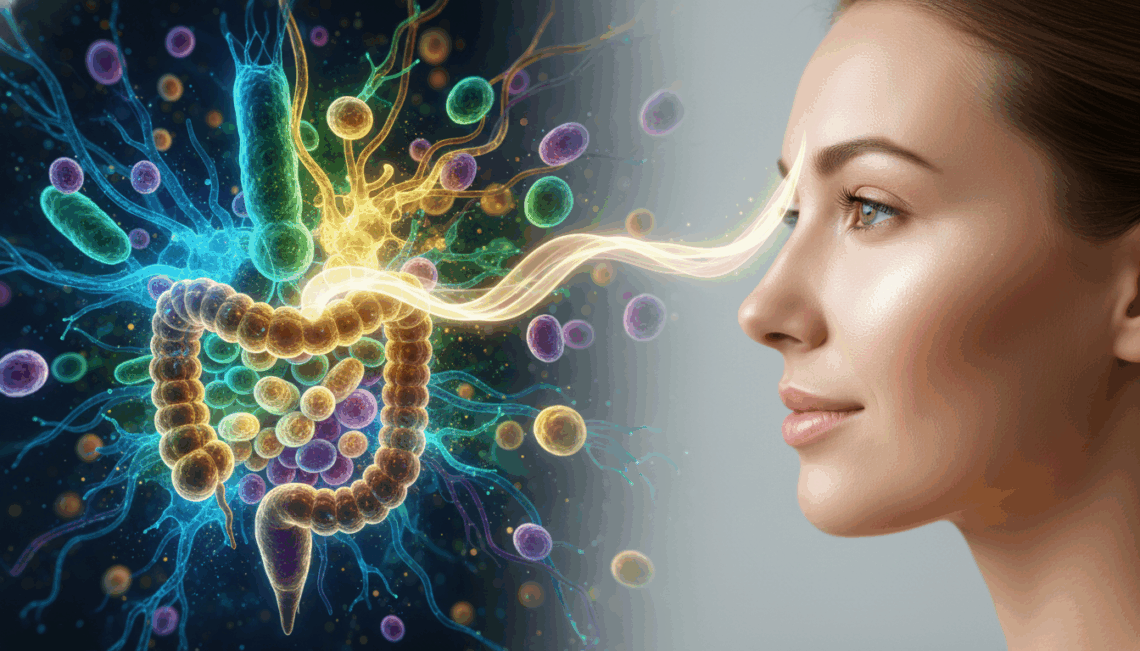
The gut-skin axis is a term used to describe the constant, two-way communication that happens between your gut and your skin. Think of it as a superhighway of information. Your gut is home to trillions of microorganisms, including bacteria, fungi, and viruses, collectively known as the gut microbiome. A healthy, balanced microbiome is essential for proper digestion, nutrient absorption, and, most importantly, immune function.
When your gut microbiome is thriving, it helps maintain a strong intestinal barrier. This barrier acts as a gatekeeper, allowing essential nutrients to pass into your bloodstream while blocking harmful toxins, undigested food particles, and pathogens. Your immune system, a large portion of which resides in the gut, operates smoothly. This internal harmony is then reflected externally, in the form of calm, clear, and resilient skin.
The Microbiome: Your Body’s Inner Ecosystem
Imagine your gut microbiome as a bustling rainforest. In a healthy state, there is a diverse range of beneficial species living in harmony, each performing a specific job to keep the ecosystem running. They help break down food, produce essential vitamins, and regulate inflammation. However, factors like a poor diet (high in processed foods and sugar), chronic stress, lack of sleep, and certain medications like antibiotics can disrupt this delicate balance. This disruption is called dysbiosis, where harmful bacteria can begin to outnumber the beneficial ones, leading to a cascade of problems that can eventually show up on your skin.
How a “Leaky Gut” Triggers Skin Problems
One of the most significant consequences of gut dysbiosis is a condition known as increased intestinal permeability, or “leaky gut.” When the gut lining becomes inflamed and damaged, the tight junctions between the intestinal cells loosen. This allows unwanted substances—like toxins, bad bacteria, and undigested food particles—to “leak” from the intestines directly into the bloodstream.
When your immune system detects these foreign invaders in the blood, it launches a full-scale inflammatory response. This systemic inflammation doesn’t just stay in one place; it travels throughout your body, looking for a place to manifest. For many people, that place is the skin, our body’s largest organ. This chronic, low-grade inflammation can trigger or worsen a variety of skin conditions:
- Acne: Inflammation can lead to increased sebum (oil) production and clog pores.
- Eczema (Atopic Dermatitis): A leaky gut can compromise the skin’s own barrier, making it more susceptible to irritation and flare-ups.
- Rosacea: Systemic inflammation can cause the facial redness and flushing characteristic of rosacea.
- Psoriasis: This autoimmune condition is strongly linked to immune system dysregulation that often begins in the gut.
Essentially, the irritation you see on your face or body could be a direct reflection of the irritation happening inside your gut. This is why solely focusing on topical treatments often fails to provide lasting relief—it’s like painting over a crack in a wall without fixing the foundation.
Nurturing Your Gut for Radiant Skin: A Holistic Approach
Now that you understand the gut health and skin connection, the path forward becomes clearer. Healing your skin from the inside out requires a focus on restoring balance to your gut microbiome. This involves a multi-faceted approach that addresses diet, lifestyle, and targeted support.
1. Focus on a Gut-Friendly Diet
What you eat is the most direct way to influence your gut health. Prioritize whole, unprocessed foods that feed your beneficial gut bacteria.
- Prebiotic Foods: These are fibers that your good bacteria love to eat. Include garlic, onions, bananas, asparagus, and whole grains in your diet.
- Probiotic Foods: These contain live beneficial bacteria. Fermented foods like yogurt (with live cultures), kefir, kimchi, sauerkraut, and kombucha are excellent sources.
- Anti-Inflammatory Foods: Load up on foods rich in omega-3 fatty acids, like salmon and walnuts, as well as colorful fruits and vegetables packed with antioxidants.
- Limit Trigger Foods: Reduce your intake of processed sugar, refined carbohydrates, and unhealthy fats, which can feed harmful bacteria and promote inflammation.
2. Manage Stress Effectively
Stress isn’t just in your head; it has a profound physical impact on your gut. The brain-gut connection is powerful. High levels of cortisol, the stress hormone, can decrease beneficial bacteria and contribute to a leaky gut. Incorporating stress-management techniques like meditation, deep breathing exercises, yoga, or even just taking a walk in nature can have a calming effect on both your mind and your digestive system.
3. Prioritize Quality Sleep
Sleep is when your body repairs itself, and that includes your gut lining. A lack of quality sleep can disrupt your microbiome and increase inflammation. Aim for 7-9 hours of consistent, restorative sleep per night to give your body the time it needs to heal and maintain balance.
A Targeted Solution for Gut and Skin Health
While diet and lifestyle changes are the foundation of good gut health, sometimes your body needs more targeted support to repair the intestinal lining and rebalance the microbiome effectively. This is where a specialized supplement can play a crucial role in accelerating your journey to clearer skin.
PrimeBiome is a formula specifically designed to address the core issues of the gut-skin axis. It focuses on “sealing” the gut lining to combat intestinal permeability. Its unique blend of probiotics and other gut-supporting ingredients works synergistically to restore harmony to your inner ecosystem. By helping to repair the gut barrier, PrimeBiome aims to reduce the systemic inflammation that triggers so many persistent skin concerns.
For those who have already tried everything else, focusing on the root cause—the health of your gut—is a logical and powerful next step. It shifts the focus from managing symptoms to building a foundation of health from within, allowing your skin to truly reflect that internal balance.
Your Path to a Healthier You
The journey to clear skin is not just about what you put on it, but what you put in your body and how you care for your internal health. The gut health and skin connection is a testament to the body’s interconnectedness. By nurturing your gut microbiome through a healthy diet, stress management, and targeted support, you are not just working towards a better complexion; you are investing in your overall wellness.
Take this knowledge as a tool for empowerment. You now have a deeper understanding of the potential root cause of your skin frustrations and a clear, actionable path forward. Remember to be patient and consistent, as healing the gut and seeing the results on your skin takes time.
Disclaimer: The information provided in this article is for educational purposes only and is not intended as a substitute for professional medical advice, diagnosis, or treatment. Always seek the advice of your physician or other qualified health provider with any questions you may have regarding a medical condition. Never disregard professional medical advice or delay in seeking it because of something you have read here.