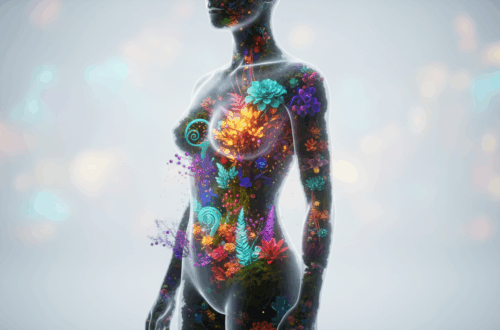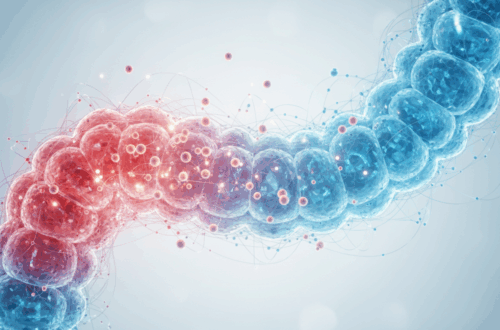

Do you ever feel like you’re doing everything right, but your body is still not cooperating? You’re eating clean, trying to exercise, but you’re constantly battling bloating, fatigue, and stubborn weight that just won’t budge. It’s a frustrating cycle, and it can leave you feeling hopeless. But what if the root of the problem isn’t your diet or your workout routine, but something deeper inside? The answer might lie within your gut. More people are discovering that many mysterious health issues are actually signs of an unhealthy gut, a condition that can throw your entire system out of balance.
Your gut is home to trillions of bacteria, collectively known as the microbiome. When this intricate ecosystem is balanced, it supports everything from digestion and immunity to mood and metabolism. However, when it’s out of whack—a condition often called dysbiosis or “leaky gut”—it can trigger a cascade of problems throughout your body. Understanding these signals is the first step toward reclaiming your health. In this guide, we’ll explore seven surprising signs of an unhealthy gut and discuss actionable steps you can take to start healing from the inside out.
1. Persistent Digestive Issues
This is perhaps the most obvious sign, but it’s often normalized. Frequent bloating, gas, diarrhea, constipation, and heartburn are not normal parts of aging or digestion. They are direct signals from your gut that something is wrong. When the balance of good and bad bacteria is off, your digestive system struggles to process food efficiently. This can lead to fermentation by “bad” bacteria, producing excess gas and causing uncomfortable bloating and cramping. If you find yourself constantly reaching for antacids or planning your day around bathroom breaks, it’s time to listen to what your gut is telling you.
2. Unexplained Weight Changes
Have you been gaining weight despite not changing your diet or exercise habits? Or perhaps you’re losing weight without trying? An imbalanced gut can be a major factor. An unhealthy microbiome can impair your body’s ability to absorb nutrients, regulate blood sugar, and store fat. Certain types of gut bacteria are more efficient at extracting calories from food, which can lead to weight gain. Furthermore, inflammation originating in the gut can drive insulin resistance, a key factor in obesity and metabolic syndrome. This is one of the most frustrating signs of an unhealthy gut because it feels like your efforts are for nothing.
3. Constant Fatigue and Poor Sleep
If you wake up feeling exhausted even after a full night’s sleep, your gut might be the culprit. A significant portion of your body’s serotonin, a hormone that affects mood and sleep, is produced in the gut. An unhealthy microbiome can disrupt serotonin production, leading to poor sleep quality and insomnia. Additionally, chronic gut inflammation can trigger a systemic immune response that drains your energy, leaving you in a state of constant fatigue. You might feel like you’re running on empty, no matter how much you rest.
4. Skin Irritation and Problems
Your skin is often a mirror of your internal health. Conditions like acne, eczema, rosacea, and psoriasis have been strongly linked to gut problems. The concept of the “gut-skin axis” suggests that inflammation in the gut can “leak” into the bloodstream and trigger an inflammatory response in the skin. If you’ve tried every topical cream and treatment with no lasting success, the root cause may not be on your skin, but within your digestive system.

5. Intense and Frequent Sugar Cravings
Do you feel like you have an uncontrollable sweet tooth? This might not be a lack of willpower. The “bad” bacteria and yeast in your gut thrive on sugar. When they are overpopulated, they can send signals to your brain, effectively hijacking your cravings to get their preferred fuel source. This creates a vicious cycle: you eat sugar, which feeds the bad microbes, which then makes you crave even more sugar. Breaking this cycle is key to rebalancing your gut and is often more complex than simply deciding to eat less sugar.
6. Mood Disturbances and Brain Fog
The gut is often called the “second brain” for a good reason. The gut-brain axis is a direct communication line between your digestive system and your central nervous system. An imbalance in gut bacteria can affect the production of neurotransmitters like serotonin and dopamine, leading to mood swings, anxiety, and even depression. Likewise, “brain fog”—that feeling of mental slowness, poor concentration, and difficulty with memory—can be a result of inflammation and byproducts from an unhealthy gut crossing into the brain.
7. Development of Food Intolerances
If you suddenly find you can’t tolerate foods you used to eat without issue, this could be another of the key signs of an unhealthy gut. Food intolerances are different from food allergies. They are often caused by a poor quality of gut bacteria and a “leaky gut,” where the intestinal lining becomes permeable. This allows partially digested food particles to enter the bloodstream, triggering an immune response that manifests as bloating, headaches, and fatigue when you eat certain foods.
How to Begin Restoring Your Gut Health
Recognizing the signs is the first step. The next is to take gentle, consistent action. Restoring your gut microbiome isn’t an overnight fix, but a journey toward better health. Key strategies include:
- Adjusting Your Diet: Focus on whole foods rich in fiber, which feeds beneficial bacteria. Incorporate a wide variety of fruits, vegetables, and legumes. Fermented foods like yogurt, kefir, and kimchi can also introduce beneficial probiotics.
- Managing Stress: Chronic stress can wreak havoc on your gut. Practices like meditation, deep breathing, and light exercise can have a profound positive impact on your microbiome.
- Prioritizing Sleep: Aim for 7-9 hours of quality sleep per night. This gives your gut and your entire body the time it needs to rest and repair.
While these lifestyle changes are foundational, sometimes your gut needs a more targeted boost to get back on track. This is where modern science can offer a helping hand, particularly with innovations like postbiotics.
Introducing a Targeted Solution: The Power of Postbiotics
For those struggling with the persistent signs of an unhealthy gut, even after making lifestyle changes, a targeted supplement can be a game-changer. Probiotics are well-known, but the latest research highlights the power of postbiotics.
Postbiotics are the beneficial compounds that probiotic bacteria produce. Think of them as the “finished product” that does the actual work of healing your gut. By taking a postbiotic directly, you are delivering the active, healing compounds right where they are needed, helping to repair the gut lining and reduce inflammation.
One of the most advanced postbiotic formulas available is PrimeBiome. It’s designed specifically to address the root causes of leaky gut. Its key ingredient is Tributyrin, a highly bioavailable form of butyrate. Butyrate is a short-chain fatty acid that serves as the primary fuel source for the cells lining your colon. It’s essential for strengthening the gut barrier, calming inflammation, and bringing balance back to your microbiome.
PrimeBiome combines this powerful postbiotic with other gut-supporting ingredients to offer a comprehensive solution. It’s not just another probiotic; it’s a next-generation formula designed to deliver tangible results for those who feel like they’ve tried everything else.
Your Path to a Healthier Gut Starts Now
Feeling better begins with understanding the signals your body is sending you. The persistent bloating, fatigue, stubborn weight, and cravings are not just things you have to live with; they are important signs of an unhealthy gut. By addressing the root cause—the health of your microbiome—you can begin a journey to lasting wellness. Combining a healthy lifestyle with a targeted, science-backed solution like PrimeBiome can provide the support your body needs to finally heal and thrive.
Remember to always consult with a healthcare professional before starting any new supplement regimen, especially if you have pre-existing health conditions. Your health is your most valuable asset, and taking control of your gut health is one of the most powerful investments you can make in yourself.