Have you been meticulously counting calories, spending hours at the gym, and choosing salads over sweets, only to see the number on the scale refuse to budge? It’s a frustrating scenario that millions of people face, leading them to believe they’re doing something wrong or that their body is simply resistant to change. But what if the key to unlocking your weight loss goals isn’t on your plate or in your workout routine, but deep within your gut? The intricate connection between gut health and weight loss is one of the most exciting frontiers in medical science, revealing that the trillions of bacteria living in your digestive system may hold the ultimate power over your metabolism, cravings, and ability to shed stubborn fat.
For too long, we’ve viewed weight management through the simple lens of “calories in, calories out.” While this principle has its place, it’s a vast oversimplification. It fails to account for the complex biological processes that dictate how your body uses food for energy. This is where your gut microbiome—the unique ecosystem of bacteria, fungi, and other microbes in your intestines—comes into play. Think of it as a hidden control center, influencing everything from your mood to your immune system, and most importantly, your weight.
What Exactly Is the Gut Microbiome?
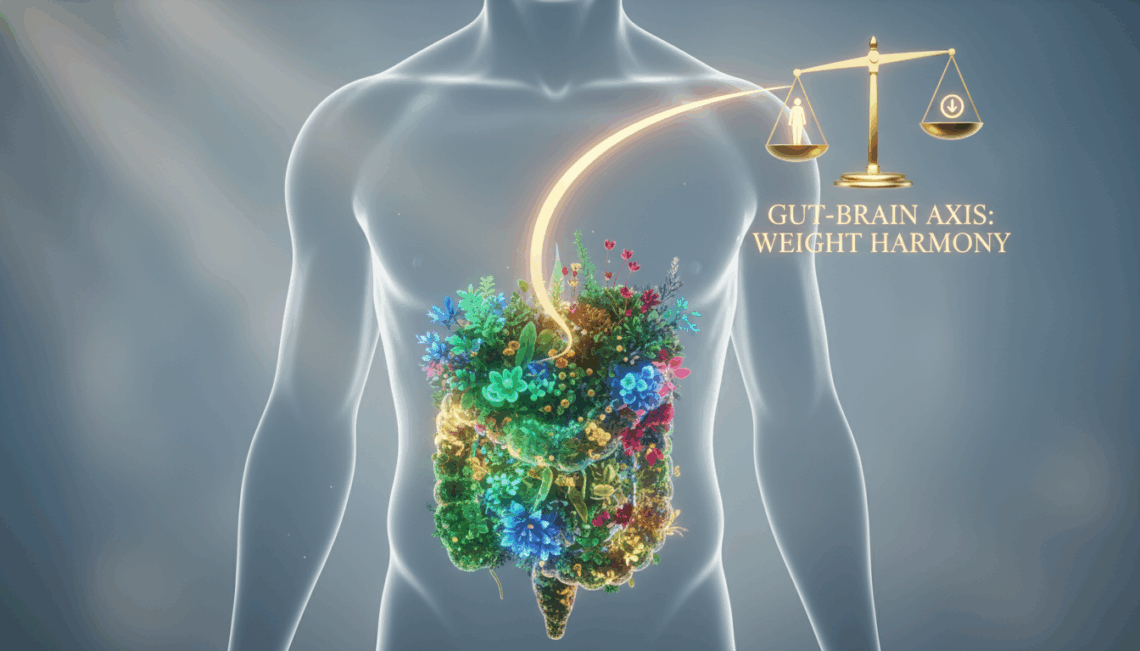
Imagine your digestive tract is a bustling, vibrant garden. In this garden, you have a vast array of plants—some are beneficial flowers (good bacteria), while others are invasive weeds (bad bacteria). In a healthy gut, these organisms exist in a harmonious balance. The good bacteria help break down food, produce essential vitamins, and protect you from pathogens. The bad bacteria, in small numbers, are mostly harmless.
However, modern life—with its stress, processed foods, antibiotics, and lack of sleep—can disrupt this delicate balance. The weeds can start to overgrow the flowers, a condition known as dysbiosis. This imbalance doesn’t just cause digestive issues like bloating or gas; it triggers a cascade of systemic problems, with weight gain being one of the most prominent consequences.
How an Unbalanced Gut Leads to Weight Gain
The link between your gut microbiome and your waistline isn’t just a theory; it’s backed by extensive research. An unhealthy gut can sabotage your weight loss efforts in several key ways:
- Increased Calorie Absorption: Certain types of “bad” gut bacteria are incredibly efficient at extracting calories from the food you eat. Studies have shown that an imbalanced microbiome can lead to your body harvesting more calories from the exact same meal compared to someone with a healthy gut. This means you could be absorbing extra calories without eating a single bite more.
- Hormonal Havoc: Your gut bacteria play a critical role in regulating hormones that control hunger and satiety, namely ghrelin (the “hunger hormone”) and leptin (the “fullness hormone”). When your gut is out of balance, this communication system breaks down. You might feel hungry all the time or never truly feel full after a meal, leading to overeating.
- Intense Cravings: Have you ever wondered why you have such intense cravings for sugar or high-fat foods? It might be your gut bacteria talking. Unhealthy microbes thrive on sugar and processed foods, and they can send signals to your brain that manipulate your cravings, compelling you to eat the very foods that help them multiply.
- Systemic Inflammation: An unhealthy gut lining can become more permeable, a condition often called “leaky gut.” This allows toxins and undigested food particles to enter your bloodstream, triggering a low-grade, chronic inflammatory response throughout your body. Chronic inflammation is strongly linked to insulin resistance and obesity.
Signs Your Gut Is Sabotaging Your Weight Loss
How can you tell if your gut is the culprit behind your weight loss struggles? The signs often extend beyond the scale. If you experience the following, it might be time to focus on your internal ecosystem:
- Constant Bloating and Gas: This is one of the most direct signs that your digestive system is not happy.
- Stubborn Belly Fat: An imbalanced gut is particularly linked to the accumulation of visceral fat, the dangerous fat that surrounds your organs.
- Persistent Skin Issues: Conditions like acne, eczema, or rosacea are often external manifestations of internal inflammation originating in the gut.
- Fatigue and Brain Fog: If you feel tired and mentally sluggish despite getting enough sleep, it could be a sign of gut-related inflammation.
- Unpredictable Bowel Habits: Both constipation and diarrhea can indicate an underlying microbial imbalance.
Restoring Balance: A Practical Guide to a Healthier Gut
The good news is that you have the power to change your gut microbiome. Your gut flora is dynamic and responds quickly to changes in your diet and lifestyle. Focusing on improving your gut health and weight loss simultaneously can create a powerful, positive feedback loop.
1. Feed the Good Guys (Prebiotics)
Prebiotics are a type of dietary fiber that your body can’t digest. Instead, they serve as food for your beneficial gut bacteria. Incorporating more prebiotic-rich foods is a crucial first step.
- Garlic, onions, and leeks
- Asparagus
- Bananas (especially when slightly green)
- Oats and barley
- Apples
2. Replenish the Troops (Probiotics)
Probiotics are live beneficial bacteria that can help repopulate your gut garden. Fermented foods are a fantastic natural source.
- Yogurt with live active cultures
- Kefir
- Sauerkraut and kimchi
- Miso
3. Diversify Your Diet
A diverse microbiome is a healthy microbiome. The best way to achieve this is by eating a wide variety of plant-based foods. Aim to “eat the rainbow” each week, including different fruits, vegetables, nuts, seeds, and legumes. Each one feeds different strains of beneficial bacteria.
The Role of a Targeted Probiotic Supplement
While diet and lifestyle are the cornerstones of gut health, sometimes your internal garden needs a more targeted intervention. This is particularly true if your diet has been poor for a long time or if you’ve recently taken antibiotics. A high-quality probiotic supplement can deliver a potent, concentrated dose of specific bacterial strains that have been scientifically studied for their benefits.
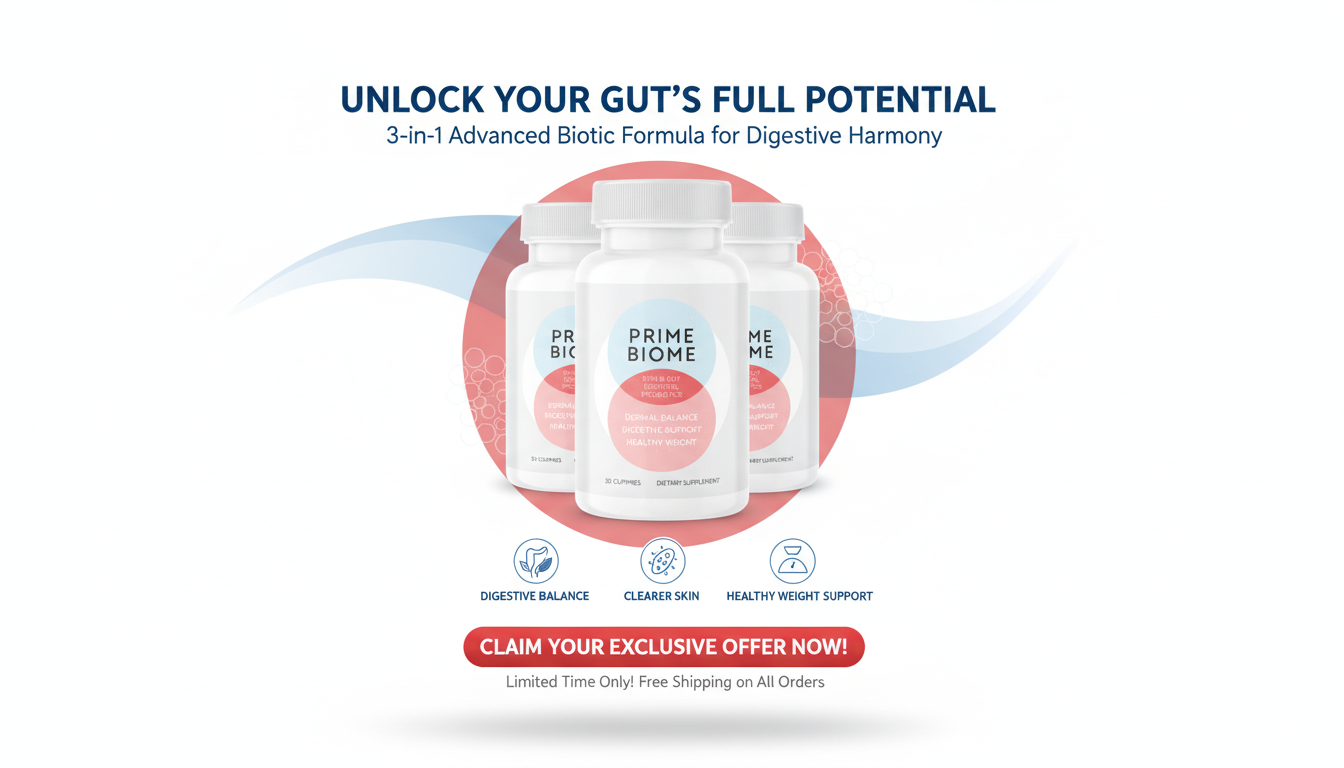
This is where a formulation like PrimeBiome can be a game-changer. It’s designed not just as a general probiotic but as a specialized tool to address the gut-weight axis. It contains specific, clinically-researched strains like Lactobacillus Gasseri, which has been shown in studies to help reduce abdominal visceral fat, and Lactobacillus Rhamnosus, which can aid in appetite regulation and overall weight management.
By providing these targeted strains, PrimeBiome helps to re-establish a microbial balance that favors a leaner metabolism. It’s not a magic pill, but rather a powerful assistant that works alongside your healthy eating and lifestyle efforts. It helps ensure that the internal environment is optimized for success, making your hard work more effective and breaking through frustrating plateaus.
Conclusion: Your Weight Loss Journey Starts Within
If you feel like you’re fighting a losing battle against weight gain, it’s time to shift your focus inward. The path to sustainable, lasting weight management is paved with good gut health. By understanding the profound connection between your microbiome and your metabolism, you can finally address the root cause of your struggles. Nurture your internal garden through a diverse diet, a healthy lifestyle, and the targeted support of a well-formulated probiotic, and you will be empowering your body to work with you, not against you. True change begins in the gut.
Disclaimer: The information provided in this article is for educational purposes only and is not intended as medical advice. Individual results may vary. Please consult with a qualified healthcare professional before beginning any new diet, exercise program, or dietary supplement, especially if you have a pre-existing medical condition or are taking any medications. These statements have not been evaluated by the Food and Drug Administration. This product is not intended to diagnose, treat, cure, or prevent any disease.