
That uncomfortable, tight feeling in your abdomen after a meal is an all-too-common experience for many. You finish what you thought was a perfectly normal meal, only to feel your stomach swell like a balloon. This post-meal bloating can be frustrating, uncomfortable, and can turn the simple pleasure of eating into a source of anxiety. If you’re constantly asking yourself how to stop bloating after eating, you’re not alone, and the good news is that relief is possible. Understanding the root causes is the first step toward finding lasting solutions and reclaiming your digestive comfort.
This guide is designed to walk you through the common triggers of bloating, from simple dietary habits to the more complex workings of your gut microbiome. We’ll explore practical, immediate steps you can take to prevent discomfort and delve into long-term strategies for supporting a healthy, balanced digestive system. The goal isn’t just to manage the symptoms but to foster a gut environment where bloating is no longer a regular part of your life.
What Exactly Is Bloating and Why Does It Happen?
At its core, bloating is the sensation of having built-up gas in your digestive system, which can cause your abdomen to feel full, tight, and visibly distended. It’s a symptom, not a disease, and it can stem from a variety of factors. The two primary culprits are excess intestinal gas and disturbances in the muscles of the digestive system.
When you eat or drink, you swallow air, which introduces gas into your digestive tract. Furthermore, the breakdown of undigested food by bacteria in your large intestine produces more gas (like hydrogen, methane, and carbon dioxide). For most people, this process goes unnoticed. However, if excess gas is produced or not efficiently passed, it can build up and cause bloating. This can be influenced by the types of food you eat, how fast you eat them, and the unique balance of bacteria living in your gut.
Common Culprits: Simple Reasons You Feel Bloated
Before diving into complex solutions, it’s crucial to examine daily habits that might be contributing to your discomfort. Often, small adjustments can make a significant difference in managing post-meal bloating.
Eating Too Quickly
In our fast-paced world, many of us rush through meals. When you eat too quickly, you swallow more air, which can lead directly to gas buildup. Additionally, rapid eating means you’re not chewing your food thoroughly. Chewing is the first step of digestion, signaling your stomach to prepare for incoming food. Insufficiently chewed food is harder for your body to break down, leading to fermentation and gas production in the gut.
High-Sodium and Processed Foods
Foods high in sodium can cause your body to retain water, leading to a heavy, bloated feeling. Processed foods, from packaged snacks to ready-made meals, are often loaded with sodium and other additives that can be hard on the digestive system. A diet centered on whole, unprocessed foods is naturally lower in sodium and gentler on your gut.
Carbonated Drinks and Chewing Gum
The fizz in carbonated drinks is carbon dioxide gas. When you drink them, that gas is released into your digestive system, which can easily cause bloating. Similarly, when you chew gum, you tend to swallow more air than usual. For those sensitive to bloating, cutting back on soda, sparkling water, and gum can be a simple yet effective step.
Common Food Intolerances
Certain foods can be difficult for some people to digest. Lactose (in dairy) and gluten (in wheat, barley, and rye) are two of the most common culprits. If your body lacks the necessary enzymes to break these down, they can ferment in the gut, causing gas, bloating, and discomfort. Other potential triggers include certain types of fiber, artificial sweeteners, and high-fat foods, which slow down stomach emptying.
How to Stop Bloating After Eating: Immediate Lifestyle Tweaks
Addressing the habits above is a great start. Here are some actionable tips you can implement today to help prevent bloating before it begins.
- Chew Thoroughly and Eat Mindfully: Put your fork down between bites. Focus on the texture and taste of your food. Aim to chew each mouthful until it’s almost liquid. This simple act reduces air swallowing and makes digestion much easier for your body.
- Stay Hydrated (Strategically): Drinking plenty of water is essential for good digestion, as it helps move food through your system and can prevent constipation-related bloating. However, try to drink most of your water between meals rather than chugging a large amount during your meal, which can dilute stomach acid.
- Take a Gentle Post-Meal Walk: You don’t need an intense workout. A simple 10-15 minute walk after eating can stimulate digestion and help gas move through your intestines, preventing it from building up.
- Keep a Food Diary: If you suspect certain foods are triggering your bloating, a diary can help you identify patterns. Track what you eat, when you eat it, and how you feel afterward. Over time, you may notice clear connections between specific foods and your symptoms.
The Deeper Issue: Understanding Your Gut Microbiome
If you’ve tried all the lifestyle tweaks and still struggle with persistent bloating, the issue may lie deeper—within your gut microbiome. Your gut is home to trillions of microorganisms, including bacteria, fungi, and viruses. In a healthy state, these microbes live in a balanced, symbiotic relationship, helping you digest food, produce essential vitamins, and regulate your immune system.
This delicate balance can be disrupted by factors like stress, poor diet, antibiotics, and illness. This imbalance, known as dysbiosis, is a key reason for chronic digestive issues. When “bad” bacteria outnumber the “good,” it can lead to inefficient digestion, increased fermentation of food, and excessive gas production—in other words, chronic bloating.
Supporting Your Gut for Long-Term Relief from Bloating
The ultimate strategy for how to stop bloating after eating for good is to cultivate a healthy, balanced gut microbiome. This involves not only removing the triggers but also actively nourishing the beneficial bacteria that support your digestive health.
The Role of Prebiotics, Probiotics, and Postbiotics
You may have heard of probiotics and prebiotics, but the world of gut health is evolving. Here’s a quick breakdown:
- Prebiotics: These are types of dietary fiber that feed the good bacteria in your gut. They are found in foods like garlic, onions, bananas, and whole grains.
- Probiotics: These are the live beneficial bacteria themselves. You can find them in fermented foods like yogurt, kefir, and sauerkraut, as well as in supplements.
- Postbiotics: This is a more recent and exciting area of gut health. Postbiotics are the beneficial compounds that are produced when probiotics feed on prebiotics. They are essentially the “end product” of this healthy fermentation process. These compounds include short-chain fatty acids, enzymes, and other substances that directly support the health of your gut lining, reduce inflammation, and help regulate your immune system. Using postbiotics can be a more direct way to deliver the benefits of a healthy gut environment.
Introducing a Targeted Solution for Gut Harmony
While a balanced diet is fundamental, sometimes your gut needs extra support to restore balance, especially if it has been disrupted for a long time. This is where a targeted supplement can play a crucial role. A well-formulated product can provide a comprehensive blend of ingredients designed to nourish and rebalance the microbiome.
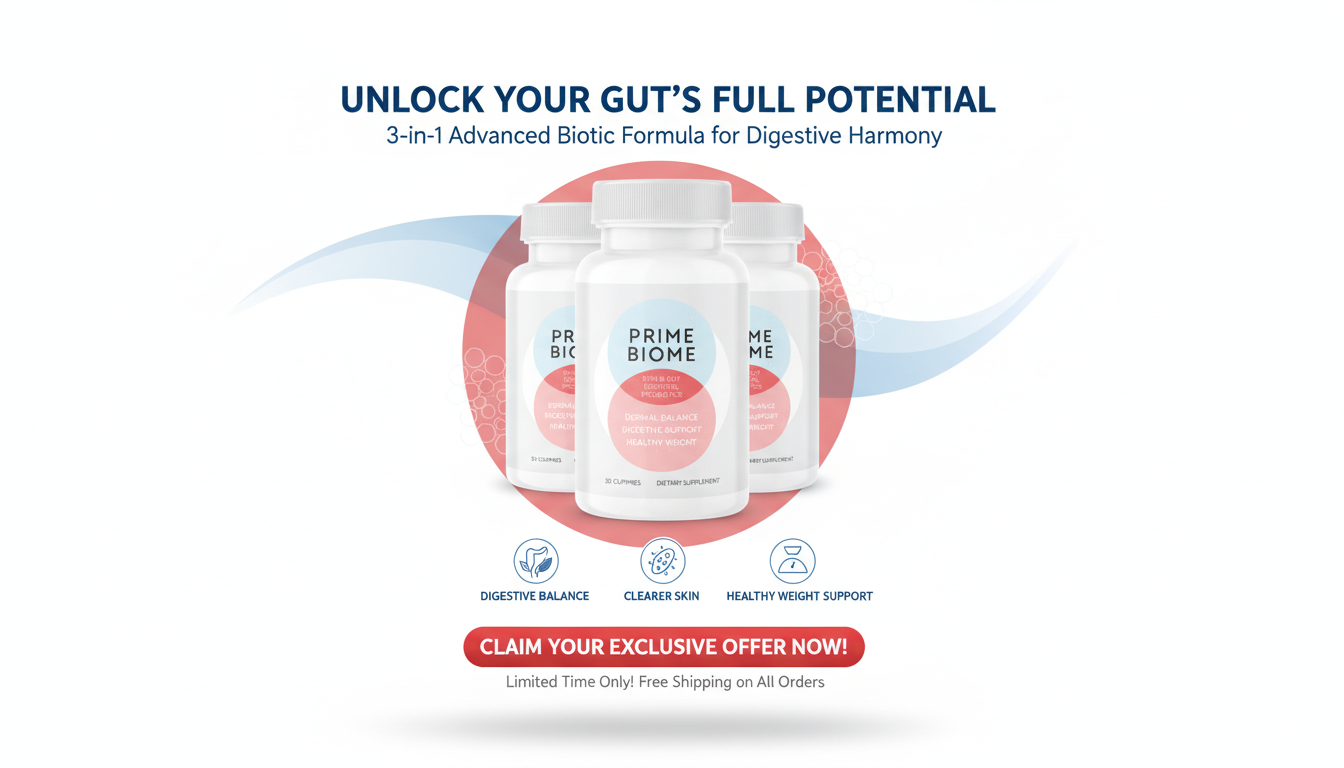
One such formula is PrimeBiome. It leverages the power of postbiotics to deliver targeted support for your digestive system. By providing the beneficial compounds directly, it helps create an environment where your good bacteria can thrive, aiding in smoother digestion, better nutrient absorption, and a significant reduction in gas and bloating. It is designed to address the root cause—gut imbalance—offering a sophisticated approach to achieving lasting digestive comfort and wellness.
Conclusion: Your Path to a Happier Gut
Feeling bloated after eating doesn’t have to be your normal. By making conscious changes to your eating habits, identifying personal food triggers, and, most importantly, supporting the health of your gut microbiome, you can achieve lasting relief. The journey starts with simple steps and can be enhanced by understanding the powerful role that prebiotics, probiotics, and advanced postbiotics play in your overall wellness.
Remember to be patient and consistent with these changes. Restoring gut balance takes time, but the reward—feeling light, comfortable, and energized after every meal—is well worth the effort. For persistent or severe symptoms, it is always recommended to consult with a healthcare professional to rule out any underlying conditions.
Frequently Asked Questions (FAQ)
1. How long does it take to see improvements in bloating?
It varies. Simple changes like eating slowly can provide immediate relief. Dietary changes may take a few days to a week to show effects. If you’re focusing on rebalancing your gut microbiome, it may take several weeks of consistent effort to notice significant, lasting changes.
2. Can stress cause bloating?
Absolutely. Stress has a direct impact on your digestive system, often referred to as the gut-brain axis. It can slow down digestion and increase sensitivity in the gut, making you more prone to bloating and discomfort.
3. Is all fiber good for preventing bloating?
Not necessarily. While fiber is crucial for health, some types, known as FODMAPs (Fermentable Oligosaccharides, Disaccharides, Monosaccharides, and Polyols), can cause gas and bloating in sensitive individuals. If you suspect fiber is an issue, working with a nutritionist can be helpful.