Have you ever felt like you’re doing everything right for your skin, yet it still doesn’t cooperate? You cleanse, tone, moisturize, and apply expensive serums, but the breakouts, dullness, or irritation persists. It’s a frustrating cycle that leaves many feeling helpless. But what if the secret to radiant skin isn’t in another bottle on your shelf, but deep within your body? The answer may lie in the powerful and often overlooked link between gut health and skin, a connection that scientists call the “gut-skin axis.”
Understanding this connection is the first step toward achieving the clear, healthy skin you’ve been dreaming of. It’s about shifting focus from treating symptoms on the surface to addressing the root cause from the inside out. This guide will walk you through everything you need to know about nurturing your gut to transform your skin.
What Exactly Is the Gut-Skin Axis?
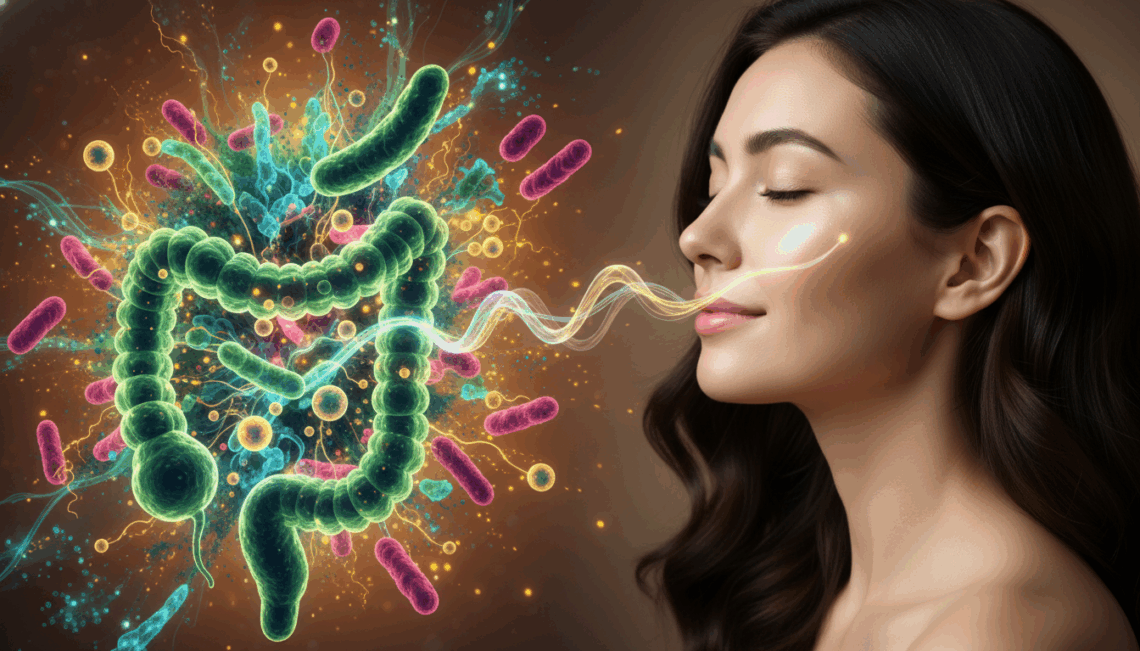
The gut-skin axis is a term for the constant, two-way communication that happens between your gastrointestinal tract and your skin. Think of it as a superhighway where information is constantly being exchanged. Your gut is home to trillions of microorganisms, including bacteria, fungi, and viruses, collectively known as the gut microbiome. When this intricate ecosystem is balanced and healthy, it positively influences everything from your immune system and mood to, you guessed it, your skin.
However, when the gut microbiome is out of balance—a state called dysbiosis—it can lead to inflammation. This inflammation isn’t just contained within your gut; it can travel through your bloodstream and manifest on your skin in various ways, such as acne, eczema, rosacea, and premature aging. Essentially, what happens in your gut doesn’t stay in your gut.
Signs Your Gut Health Is Affecting Your Skin
Your skin often acts as a mirror, reflecting the health of your internal systems. If you’re struggling with persistent skin issues, it might be your body’s way of signaling that your gut needs attention. Here are some common signs that highlight the link between gut health and skin problems:
- Persistent Acne: While hormonal acne is common, widespread, inflammatory acne can be linked to gut inflammation. An unhealthy gut can lead to an overgrowth of “bad” bacteria, triggering an immune response that shows up as painful pimples.
- Eczema and Psoriasis: These autoimmune conditions are strongly associated with inflammation. Research suggests that a lack of diversity in gut bacteria and a “leaky gut” (where the gut lining becomes permeable) can be significant contributing factors.
- Rosacea: This condition, characterized by facial redness and flushing, has been linked to an overgrowth of bacteria in the small intestine (SIBO) and other forms of gut dysbiosis.
- Premature Aging and Dullness: Chronic inflammation from an unhealthy gut can break down collagen and elastin, the proteins that keep your skin firm and youthful. It can also impair your body’s ability to absorb vital nutrients, leading to a dull, lackluster complexion.
Understanding Prebiotics, Probiotics, and Postbiotics
To improve your gut health, it’s helpful to understand the key players involved. You’ve likely heard of prebiotics and probiotics, but a third, crucial component is now gaining attention: postbiotics.
Prebiotics: These are types of dietary fiber that feed the “good” bacteria in your gut. Think of them as fertilizer for your internal garden. They are found in foods like garlic, onions, bananas, and whole grains.
Probiotics: These are the live, beneficial bacteria themselves. They are found in fermented foods like yogurt, kefir, kimchi, and kombucha, as well as in supplement form. They help replenish the good bacteria in your gut.
Postbiotics: This is where the magic really happens. Postbiotics are the beneficial compounds produced by probiotics when they consume prebiotics. These are the “end products”—like short-chain fatty acids (e.g., butyrate), enzymes, and cell wall fragments—that are directly responsible for many of the health benefits we associate with a healthy gut. They help strengthen the gut lining, reduce inflammation, and support the immune system. Taking postbiotics is like skipping the middleman and delivering the “active ingredients” directly to your system for maximum benefit.
How to Improve the Link Between Gut Health and Skin Naturally
Before turning to advanced solutions, building a strong foundation through lifestyle and diet is essential. Healing your gut is a holistic process that involves several key habits. By focusing on these areas, you can create an internal environment where a healthy microbiome can thrive, leading to visible improvements in your skin.
1. Eat a Fiber-Rich, Diverse Diet
Your gut bacteria thrive on variety. Aim to “eat the rainbow” by incorporating a wide range of fruits, vegetables, legumes, and whole grains into your diet. These foods are packed with prebiotics, the fuel for your beneficial gut microbes. The more diverse your diet, the more diverse and resilient your microbiome will be.
2. Incorporate Fermented Foods
Introduce probiotic-rich foods into your meals. Plain yogurt, kefir, sauerkraut, kimchi, and miso are excellent natural sources of live bacteria that can help balance your gut ecosystem. Start with small amounts if you’re not used to them to allow your system to adjust.
3. Stay Hydrated
Water is crucial for maintaining the mucosal lining of the intestines and for balancing good bacteria in the gut. Dehydration can lead to constipation and a sluggish digestive system, which isn’t ideal for gut health. Aim for at least 8 glasses of water a day.
4. Manage Stress Levels
The gut-brain axis is just as real as the gut-skin axis. Chronic stress can negatively impact your gut microbiome by increasing inflammation and intestinal permeability. Incorporate stress-management techniques like meditation, deep breathing exercises, yoga, or spending time in nature into your daily routine.
The Power of Postbiotics: A Direct Approach to Gut Wellness
While diet and lifestyle are foundational, sometimes your gut needs more targeted support, especially if it has been compromised for a long time. This is where the science of postbiotics becomes a game-changer. Instead of just adding more bacteria (probiotics) or feeding them (prebiotics), postbiotic supplements provide the actual beneficial compounds that your body needs to reduce inflammation and fortify the gut lining.
This direct approach can be particularly effective because it doesn’t rely on the survival of live bacteria through the harsh environment of your stomach. You get the finished product, ready to work immediately. For those struggling with issues like leaky gut, a high-quality postbiotic formula can offer a more potent and reliable way to restore balance. A solution like PrimeBiome is designed around this very principle, delivering a concentrated blend of these powerful gut-healing compounds to help soothe the internal inflammation that often leads to skin problems.
Conclusion: Your Journey to Radiant Skin Starts Within
The path to healthy skin is not a sprint; it’s a journey that starts from within. By understanding and nurturing the profound link between gut health and skin, you can finally address the root cause of your concerns. It requires a holistic approach that combines a balanced diet, stress management, and targeted supplementation. Shifting your focus from external treatments to internal health is the most sustainable and effective way to achieve that radiant, clear complexion you deserve. Your gut is waiting to help you shine.
Frequently Asked Questions (FAQ)
How long does it take to see skin improvements after improving gut health?
There is no one-size-fits-all answer, as it depends on the individual’s starting point and consistency with lifestyle changes. However, many people report noticing initial improvements in digestion and bloating within a few weeks, with visible changes in their skin appearing anywhere from 4 to 12 weeks later. Patience is key.
Can I just take a probiotic supplement instead of changing my diet?
While a probiotic supplement can be beneficial, it’s not a substitute for a healthy diet. For probiotics to thrive and produce beneficial postbiotics, they need the prebiotic fiber found in whole foods. Think of it this way: a supplement can add seeds to the garden, but a healthy diet provides the soil, water, and sunlight they need to grow.
Is this information a substitute for professional medical advice?
Absolutely not. The information provided in this article is for educational purposes only. If you have persistent health issues, including skin conditions or digestive problems, it is crucial to consult with a qualified healthcare provider or a dermatologist to get an accurate diagnosis and a personalized treatment plan.