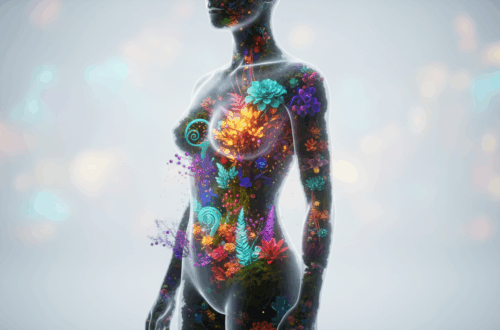

The Gut-Skin Axis: A Guide to Better Skin from Within
Have you tried every cream, serum, and topical treatment available, only to see your skin concerns persist? From stubborn acne to frustrating redness and premature signs of aging, the battle for a clear complexion can feel endless. If you’re tired of solutions that only scratch the surface, it might be time to look deeper—specifically, within your gut. The emerging science behind the gut health and skin connection, often called the gut-skin axis, reveals that what happens in your digestive system can directly impact the health and appearance of your skin.
This isn’t just a fleeting wellness trend; it’s a fundamental shift in how we understand skin health. The idea is simple: an imbalanced or unhealthy gut can trigger inflammation and other systemic issues that manifest as skin problems. By addressing the root cause internally, you can achieve lasting results that no topical product can replicate. This guide will explore the fascinating science of the gut-skin axis, help you identify the signs of an imbalance, and provide actionable steps to nurture your gut for a naturally radiant complexion.
What Exactly Is the Gut-Skin Axis?
The gut-skin axis is the term for the two-way communication pathway between your gut microbiome and your skin. Think of it as a constant dialogue. Your gut is home to trillions of microorganisms, including bacteria, fungi, and viruses, collectively known as the microbiome. When this community is in balance, it plays a crucial role in your overall health, from digesting food and producing essential vitamins to regulating your immune system.
However, when the bad bacteria start to outnumber the good, a state called dysbiosis occurs. This imbalance can lead to a condition known as “leaky gut,” where the intestinal lining becomes more permeable. When this happens, toxins, undigested food particles, and microbes can “leak” into your bloodstream, triggering a body-wide inflammatory response. Your immune system goes on high alert, and since the skin is your body’s largest organ, it often becomes a primary site for this inflammation to show up. This can result in conditions like acne, eczema, rosacea, and increased sensitivity.
Signs Your Gut Health Is Affecting Your Skin
How do you know if your skin issues are linked to your digestive health? While everyone is different, there are several common patterns that suggest a strong gut-skin connection. Paying attention to these signals is the first step toward identifying the root cause of your skin concerns.
You Experience Digestive Discomfort
This is the most direct clue. If you regularly experience symptoms like bloating, gas, constipation, diarrhea, or general abdominal discomfort alongside your skin flare-ups, it’s a strong indicator that the two are related. An unhappy gut often sends out signals, and your skin is listening.
Topical Treatments Aren’t Working
If you’ve invested in high-quality skincare and followed a consistent routine with little to no improvement, it suggests the problem isn’t on the surface. When the issue is systemic inflammation originating from the gut, no amount of cream or cleanser will resolve it completely.
Certain Foods Trigger Flare-Ups
Do you notice that a breakout or a patch of eczema appears a day or two after eating certain foods, like dairy, sugar, or highly processed meals? This can indicate a food sensitivity or an inability of your gut to properly process these ingredients, leading to an inflammatory response that shows up on your skin.
You Have Unexplained Redness and Sensitivity
A compromised gut barrier often leads to a compromised skin barrier. If your skin has become increasingly sensitive, red, or reactive, it could be a sign of systemic inflammation weakening its natural defenses.
The Microbiome’s Role in the Gut Health and Skin Connection
To truly heal the gut-skin axis, it helps to understand the key players involved: prebiotics, probiotics, and postbiotics. These three components work together to create a thriving gut ecosystem, which is essential for clear, healthy skin.
- Probiotics: These are the “good” live bacteria that reside in your gut. They help fight off harmful bacteria, support your immune system, and reduce inflammation. Strains like Lactobacillus and Bifidobacterium are particularly beneficial for overall gut health.
- Prebiotics: These are the food for your good bacteria. They are types of dietary fiber that your body cannot digest, so they travel to your lower digestive tract where they act as fuel for probiotics. This helps the good bacteria multiply and flourish.
- Postbiotics: When probiotics feed on prebiotics, they produce beneficial compounds called postbiotics. These are essentially the “waste” products of the fermentation process, but they are incredibly valuable. Postbiotics include nutrients like short-chain fatty acids (like butyrate), which help strengthen the gut lining, reduce inflammation, and support a healthy immune response.
A truly effective approach to gut health involves supporting all three pillars. Simply taking a probiotic isn’t enough if the bacteria don’t have the fuel (prebiotics) they need to thrive and produce the beneficial compounds (postbiotics) that do much of the healing work.

How to Nurture Your Gut for Healthier Skin
Supporting your gut microbiome doesn’t have to be complicated. By making consistent, mindful choices, you can improve your digestive health and, in turn, see significant improvements in your skin. Beyond considering a targeted supplement, integrating healthy lifestyle habits is fundamental to long-term success.
Focus on a Fiber-Rich and Diverse Diet
Your gut bacteria thrive on variety. Aim to “eat the rainbow” by incorporating a wide range of fruits, vegetables, whole grains, and legumes into your diet. These foods are rich in prebiotic fiber, which nourishes your beneficial gut microbes. Foods like garlic, onions, bananas, asparagus, and oats are excellent sources of prebiotics.
Incorporate Fermented Foods
Fermented foods are a natural source of probiotics. Including items like yogurt (with live active cultures), kefir, kimchi, sauerkraut, and kombucha in your diet can help introduce beneficial bacteria into your gut. They are a delicious way to support the diversity of your microbiome.
Manage Your Stress Levels
The gut and brain are also intrinsically linked (the “gut-brain axis”). Chronic stress can negatively impact your gut health by increasing inflammation and decreasing the diversity of your microbiome. Incorporating stress-management techniques like meditation, deep breathing exercises, yoga, or even just taking regular walks in nature can have a profound effect on both your mental and digestive well-being.
Prioritize Quality Sleep
Sleep is when your body repairs itself, and that includes your gut. A lack of quality sleep can disrupt your microbiome and contribute to inflammation. Aim for 7-9 hours of consistent, restful sleep per night to allow your body the time it needs to maintain a healthy internal balance.
Stay Hydrated
Water is essential for maintaining the mucosal lining of the intestines and for promoting the balance of good bacteria in the gut. Drinking plenty of water throughout the day is a simple yet effective way to support overall digestive health.
The Role of a Targeted Supplement Strategy
While diet and lifestyle are the cornerstones of a healthy gut, sometimes your body needs extra support. The modern diet can often lack the diversity and specific nutrients needed for an optimal microbiome. This is where a well-formulated supplement designed to address the gut health and skin connection can be incredibly beneficial.
A comprehensive formula can provide a concentrated and reliable source of prebiotics, probiotics, and postbiotics, ensuring you are nourishing your gut from every angle. This “Tri-Biotic” approach helps fill any gaps in your diet and provides targeted support to rebalance your microbiome, strengthen your gut lining, and reduce the systemic inflammation that leads to skin issues. It takes the guesswork out of trying to combine different foods and products, offering a streamlined solution to support the gut-skin axis.
Your Journey to Radiant Skin Starts Internally
The path to clear, glowing skin may not be found in your medicine cabinet, but rather in your kitchen and your daily habits. Understanding and embracing the gut-skin axis is about shifting your perspective from treating symptoms to nurturing the root cause of your skin concerns. By focusing on balancing your internal ecosystem, you provide your body with the tools it needs to build healthy, resilient skin from the inside out.
This holistic approach empowers you to achieve lasting results and a deeper understanding of your own body. It’s a journey of nourishment and balance that rewards you not just with a better complexion, but with improved overall health and well-being. Start by implementing small, consistent changes, and pay close attention to the positive signals your body—and your skin—sends back to you.
Important Disclaimer
The information provided in this article is for educational purposes only and should not be considered medical advice. The content is not intended to be a substitute for professional medical advice, diagnosis, or treatment. Always seek the advice of your physician or other qualified health provider with any questions you may have regarding a medical condition. Never disregard professional medical advice or delay in seeking it because of something you have read here. If you are pregnant, nursing, taking medication, or have a medical condition, consult your healthcare professional before using any new supplement.