
Understanding Cellular Aging and Its Impact on Your Skin
As we age, we expect to see certain changes in the mirror—fine lines, a loss of firmness, or perhaps an uneven skin tone. We often attribute these to time, genetics, and sun exposure. However, one of the most significant drivers of skin aging happens deep within our bodies at a cellular level. The question many are now asking is how to get rid of senescent cells, the so-called “zombie cells” that can accelerate the aging process.
If you feel like you’re doing everything right with topical creams and serums but aren’t seeing the results you want, understanding this internal factor could be the missing piece of the puzzle. This isn’t about a magical cure but about supporting your body’s natural processes to maintain healthier, more youthful-looking skin from the inside out.
What Are Senescent Cells? A Deeper Dive
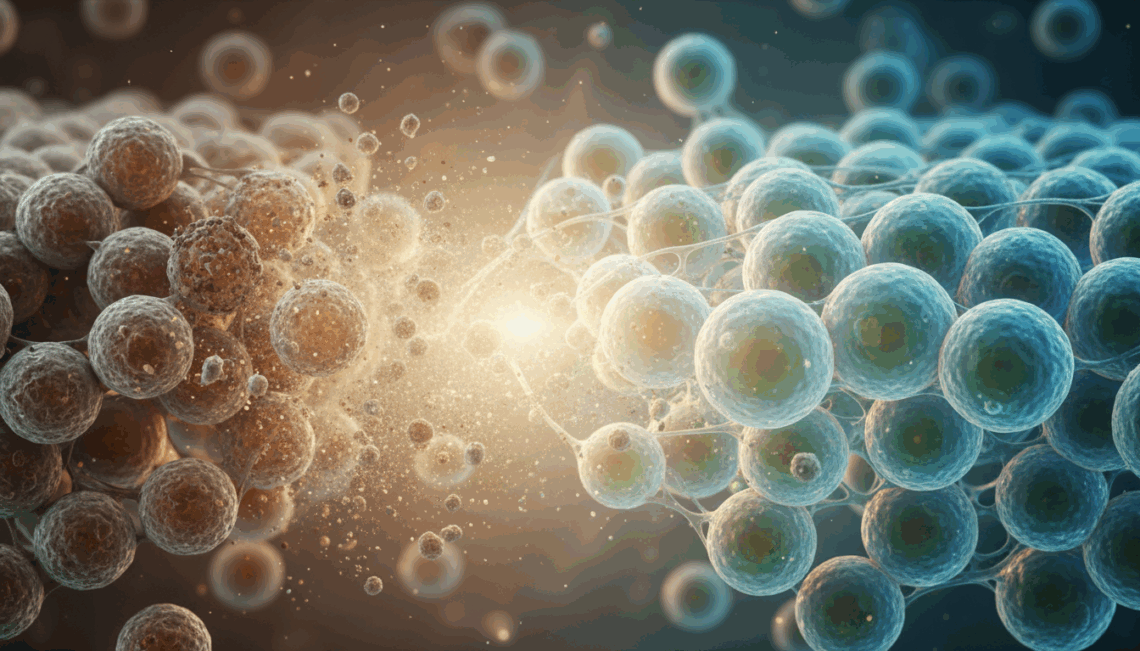
To put it simply, senescent cells are cells that have stopped dividing. Normally, cells in our body divide to replace old or damaged ones. But sometimes, a cell becomes so stressed or damaged (from things like UV radiation, toxins, or just the process of aging) that it enters a permanent state of arrest called senescence.
Initially, this is a good thing. It’s a protective mechanism to prevent a damaged cell from turning cancerous. In a young, healthy body, the immune system is very efficient at identifying and clearing out these senescent cells. Think of it as a natural, microscopic housekeeping service.
The problem arises as we get older. Our immune system becomes less effective, and these senescent cells start to accumulate in various tissues, including the skin. Instead of just sitting there quietly, they release a cocktail of inflammatory proteins known as the Senescence-Associated Secretory Phenotype (SASP).
The Link Between Senescent Cells and Visible Skin Aging
The SASP is where the real trouble for your skin begins. These inflammatory signals create a toxic environment that harms the healthy, vibrant cells around them. This process is often called “inflammaging.”
Here’s how it directly translates to what you see in the mirror:
- Collagen and Elastin Breakdown: The proteins released by senescent cells can degrade collagen and elastin, the two key components that give your skin its structure, firmness, and elasticity. This leads directly to sagging, wrinkles, and fine lines.
- Impaired Skin Barrier: A chronic state of inflammation can weaken your skin’s natural barrier, making it more susceptible to environmental damage, dehydration, and sensitivity.
- Crepey Texture: The combination of thinning skin, dehydration, and collagen loss results in that delicate, finely wrinkled texture often described as “crepey skin.”
- Uneven Skin Tone: The inflammatory signals can also disrupt the normal function of melanocytes, the cells that produce pigment, contributing to age spots and an uneven complexion.
Essentially, a small number of these “zombie cells” can create a ripple effect, aging the surrounding tissue and making your skin look older than it otherwise would.

How Does the Body Naturally Clear Senescent Cells?
Your body has a sophisticated system for dealing with these problematic cells. The primary mechanism is through the immune system. Specialized cells, like Natural Killer (NK) cells and macrophages, act as a cleanup crew. They patrol your tissues, identify the molecular signals of senescent cells, and eliminate them through a process called apoptosis (programmed cell death).
However, this system isn’t foolproof, and its efficiency declines with age. This slowdown allows senescent cells to accumulate faster than they can be cleared, tipping the balance and accelerating the aging process. The key, therefore, is to support and enhance this natural clearing mechanism.
Lifestyle Strategies to Support Cellular Health
Before looking at targeted solutions, it’s crucial to acknowledge the foundational role of a healthy lifestyle. These habits help reduce the formation of new senescent cells and support your immune system’s ability to clear existing ones.
1. Adopt an Antioxidant-Rich Diet
Foods high in polyphenols and antioxidants—like berries, dark leafy greens, green tea, and nuts—can help protect your cells from the oxidative stress that leads to senescence. Certain compounds, such as quercetin (found in onions and apples) and fisetin (in strawberries), are being studied for their “senolytic” properties, meaning they may help the body clear senescent cells.
2. Prioritize Regular Exercise
Physical activity is a powerful tool for promoting cellular health. Studies have shown that regular exercise can enhance immune function and help clear out old, damaged cells, keeping tissues functioning more youthfully.
3. Ensure Quality Sleep
Sleep is when your body performs most of its repair and regeneration processes. During deep sleep, your body cleanses cellular waste and bolsters the immune system, which is essential for managing senescent cell buildup.
4. Practice Smart Sun Protection
Since UV radiation is a primary cause of cellular damage and premature senescence in the skin, daily use of a broad-spectrum sunscreen is non-negotiable. It’s the single most effective thing you can do to prevent the formation of these cells in your skin.
Exploring Supplements for Cellular Rejuvenation
While lifestyle is the foundation, there is growing interest in using targeted nutritional supplements to support the body’s fight against cellular aging. This approach focuses on providing specific compounds that may help the body manage its senescent cell load more effectively. This is where products designed with cellular health in mind, like Mitolyn, come into play.
Mitolyn is formulated with a blend of ingredients specifically chosen for their potential role in supporting the body’s natural processes for clearing out these aged cells. It isn’t a topical solution but an internal one, designed to address the problem at its source.
Key Ingredients and Their Supportive Roles
Understanding the components can help clarify how this approach works:
- Oleuropein: A powerful polyphenol derived from olive leaf extract. It is known for its potent antioxidant properties, which help protect cells from the stress that can trigger senescence. Research suggests it may also support autophagy, the body’s cellular recycling process.
- D-Aspartic Acid: An amino acid that plays a role in various physiological functions. It is included for its potential to support cellular energy and vitality, helping to maintain youthful function in healthy cells.
- N-Acetyl-L-Cysteine (NAC): A precursor to glutathione, one of the body’s most important antioxidants. NAC helps replenish glutathione levels, providing cells with a robust defense against oxidative damage and supporting overall cellular health.
By combining these ingredients, the goal is to provide comprehensive support: protecting healthy cells from damage while assisting the body’s natural cleanup crew in dealing with the senescent cells that have already accumulated.
Is This Internal Approach Right for You?
If you are frustrated with the limitations of topical skincare and are looking for a more holistic way to address the root causes of skin aging, exploring an internal supplement may be a logical next step. This strategy is about promoting long-term skin health and resilience, not just masking symptoms.
It’s important to have realistic expectations. Supporting cellular health is a marathon, not a sprint. Results will be gradual and will vary from person to person. As with any dietary supplement, it is highly recommended to consult with your healthcare professional before adding it to your routine, especially if you have pre-existing health conditions or are taking other medications. Your doctor can help you determine if it’s an appropriate choice for your individual health needs.
In conclusion, the conversation around skin aging is shifting from the surface to the cellular. Understanding and addressing senescent cells offers a promising new frontier. By combining a healthy lifestyle with targeted nutritional support, you can empower your body to maintain its youthful function and achieve healthier, more radiant skin from within.
Frequently Asked Questions (FAQ)
What is the difference between this approach and an anti-wrinkle cream?
Anti-wrinkle creams work topically on the skin’s surface, often by hydrating, providing antioxidants, or using ingredients like retinol to speed up cell turnover. An internal approach, like using a supplement designed to address senescent cells, works from the inside out. It aims to reduce the underlying inflammatory source that breaks down collagen and accelerates aging in the first place.
How long might it take to see results?
Cellular processes take time. Unlike a moisturizer that gives an immediate plumping effect, a supplement works gradually. Most people may begin to notice changes in skin texture, firmness, and overall radiance after several weeks or months of consistent use, as the body works to clear old cells and regenerate healthier tissue.
Are there any potential side effects?
The ingredients in Mitolyn are generally well-tolerated. However, as with any supplement, some individuals may experience mild digestive upset or other sensitivities. It is crucial to read the label and consult with a healthcare provider before beginning any new regimen to ensure it is safe for you.