Have you ever looked at the skin on your arms, neck, or even above your knees and noticed a change? It’s not quite a wrinkle, and it’s not just loose. The texture itself seems different—thinner, finely wrinkled, and almost like tissue paper. This is often described as crepey skin, and it can be a source of frustration for many who feel it betrays their age and vitality. Understanding what causes crepey skin is the first and most critical step toward addressing it effectively and restoring a smoother, firmer appearance.
Unlike simple wrinkles that form from repeated muscle movements, crepey skin is a more complex issue related to the quality and structure of the skin itself. It signals a breakdown in the dermal foundation, leaving the surface looking fragile and weak. While it’s a natural part of aging for many, certain factors can accelerate its development, but new approaches are emerging that target the problem at its cellular source.
What Exactly Is Crepey Skin?
Before diving into the causes, it’s important to distinguish crepey skin from other signs of aging. Imagine a piece of crepe paper—it’s thin and covered in tiny, delicate folds. That’s a good visual for this skin condition. Crepey skin feels thin to the touch and lacks the elasticity and thickness of youthful skin. It’s most common in areas where the skin is already thinner, such as the inner arms, under the eyes, the neck, and the décolletage.
Key Differences from Wrinkles:
- Wrinkles are typically lines or creases that form due to facial expressions and muscle contractions (like smile lines or crow’s feet).
- Crepey Skin is a textural change affecting a broader surface area, characterized by thinness and a fine, crinkly pattern. It’s a problem of skin quality, not just movement.
The Primary Culprits: What Causes Crepey Skin?
Crepey skin doesn’t appear overnight. It’s the result of a combination of internal and external factors that degrade the essential components of healthy skin over time. Understanding these root causes is key to finding a solution that works.
Sun Damage: The #1 Accelerator
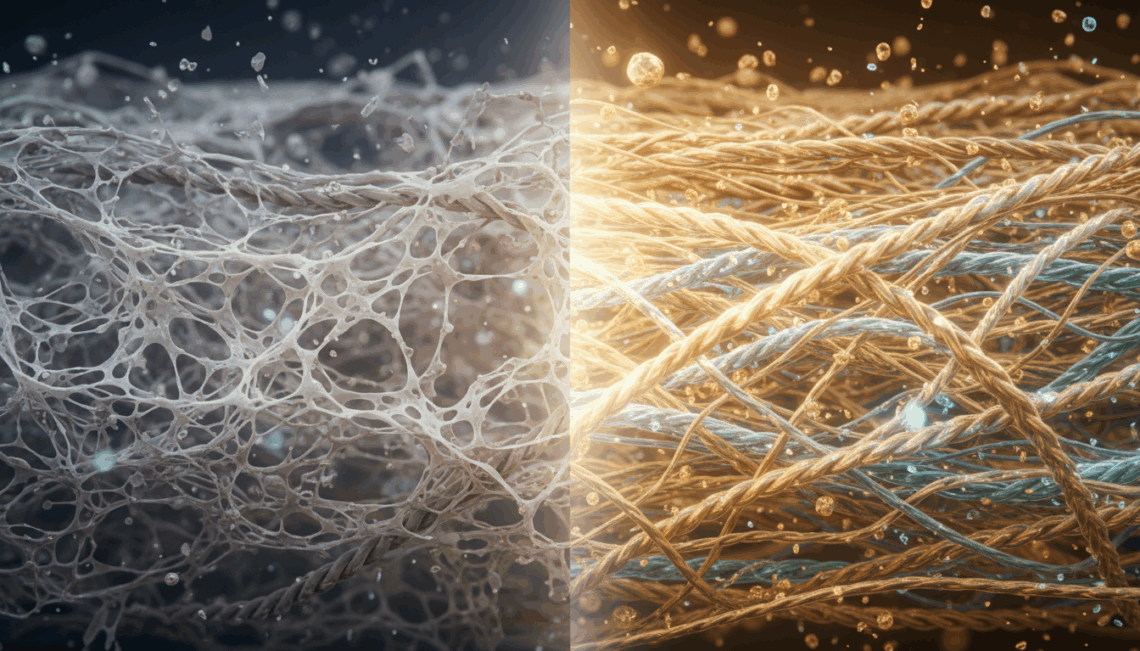
If there is one primary villain in the story of skin aging, it’s the sun. Years of exposure to ultraviolet (UV) radiation is the leading cause of crepey skin. UVA and UVB rays penetrate the skin and generate free radicals, which are unstable molecules that wreak havoc on cellular structures. Most importantly, they accelerate the breakdown of collagen and elastin—the two proteins responsible for your skin’s firmness, structure, and ability to snap back.
Elastin fibers, in particular, are severely damaged by the sun. When they degrade, the skin loses its resilience, leading to the sagging and paper-thin texture characteristic of crepey skin.
The Natural Aging Process
Even without sun exposure, our skin naturally changes with age. As we get older, our bodies produce less collagen and elastin. The production of oils and hyaluronic acid, which keep the skin hydrated and plump, also slows down significantly. This intrinsic aging process leads to skin that is naturally drier, thinner, and less capable of repairing itself, making it more susceptible to developing a crepey texture.
Dehydration and Moisture Loss
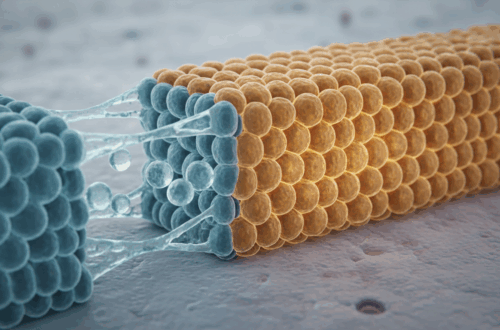
Hydration is crucial for skin health. When your skin lacks moisture, it can temporarily appear more crepey and fine lines become more obvious. While drinking water is important for overall health, the more significant factor here is the skin’s ability to *retain* moisture. A compromised skin barrier—often due to aging, sun damage, or harsh products—allows water to escape, leaving the skin dehydrated, less plump, and more fragile.

Beyond the Surface: A Deeper Cellular Cause
While the factors above are well-known, some scientific research points to an even deeper cause related to cellular energy. Every cell in your body, including your skin cells, is powered by tiny organelles called mitochondria. These are the “power plants” that provide the energy for everything a cell does, from division to repair.
With age and environmental stress (especially from UV rays), mitochondrial function can decline. This means your skin cells don’t have enough energy to perform their vital functions effectively. They struggle to produce high-quality collagen, fight off free radical damage, and maintain their structure. This energy crisis at the cellular level is now considered a key contributor to what some experts call “dermal collapse”—the underlying structural failure that manifests as crepey, saggy skin.
Traditional Approaches to Managing Crepey Skin
For those wondering how to manage this frustrating issue, several conventional methods can offer improvement, primarily by hydrating the skin and encouraging cell turnover.
Hydration and Topical Moisturizers
A high-quality moisturizer is the first line of defense. Look for products containing ingredients like hyaluronic acid, which draws moisture into the skin, and ceramides, which help repair the skin barrier to prevent water loss. These can temporarily plump the skin, making the crepey texture less noticeable.
Key Skincare Ingredients
- Retinoids (like Retinol): These Vitamin A derivatives are celebrated for their ability to boost collagen production and accelerate cell turnover, which can improve skin texture and firmness over time.
- Alpha-Hydroxy Acids (AHAs): Ingredients like glycolic acid and lactic acid exfoliate the surface of the skin, removing dead cells and revealing smoother skin underneath. This can also stimulate collagen production.
- Antioxidants: Vitamins C and E help protect the skin from free radical damage, preventing further breakdown of collagen and elastin.
Lifestyle and Prevention
Prevention is always the best strategy. Daily use of a broad-spectrum sunscreen with an SPF of 30 or higher is non-negotiable. Additionally, maintaining a healthy diet rich in antioxidants, staying hydrated, and avoiding smoking can all support skin health from the inside out.
An Innovative Approach: Supporting Skin from Within
While traditional topicals work on the skin’s surface, new innovations aim to address the deeper, cellular causes of aging skin. If declining mitochondrial energy is a root cause of dermal collapse, then supporting cellular health becomes a primary goal.
This is where the concept of delivering targeted nutrients to the skin takes center stage. One of the most promising groups of nutrients for this purpose is polyphenols. These are powerful antioxidant compounds found in plants (like berries, grapes, and green tea) that are known to help protect cells from damage and support mitochondrial function.
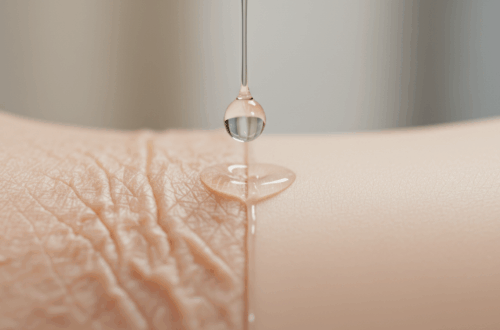
The challenge, however, has always been effective delivery. A groundbreaking approach to this is the Mitolyn Polyphenol Dermal Patch. This product is designed to solve the delivery problem by using a dermal patch system. This method allows for the slow, sustained release of a concentrated blend of potent polyphenols directly into the skin over several hours. The goal is to provide skin cells with the support they need to re-energize their natural repair and rejuvenation processes, targeting the foundation of what causes crepey skin rather than just masking the symptoms.
By focusing on restoring cellular energy with powerful polyphenols, this approach offers a compelling new strategy for those who feel they have hit a wall with conventional creams and lotions.
Conclusion: A Multi-Faceted Strategy for Smoother Skin
Crepey skin is a complex issue resulting from a combination of sun damage, natural aging, and a decline in cellular efficiency. While there is no single magic bullet, a comprehensive approach can lead to significant improvements. Protecting your skin from the sun and using proven topical ingredients is a fantastic foundation.
For those seeking to take their strategy to the next level, exploring innovative solutions that address deeper cellular health, such as the Mitolyn patch, could provide the missing piece of the puzzle. By supporting your skin from both the outside in and the inside out, you can take meaningful steps toward restoring its youthful firmness and resilience.
Frequently Asked Questions (FAQ)
Can you completely reverse crepey skin?
Completely reversing crepey skin is very difficult, especially if the damage is severe and has developed over many years. However, with a consistent and targeted skincare routine, sun protection, and potentially advanced treatments, you can significantly improve its texture and appearance. The goal is improvement and management, not perfection.
How is crepey skin different from wrinkles?
Wrinkles are typically defined lines caused by repeated muscle movements (e.g., smiling, squinting). Crepey skin is a wider issue of skin texture where the skin itself becomes thin, fragile, and finely wrinkled like crepe paper. It’s a sign of thinning dermis and collagen/elastin breakdown, not just expression.
Does drinking more water help crepey skin?
Staying well-hydrated is essential for overall health, which includes your skin. While drinking more water can improve skin hydration and overall plumpness, it often isn’t enough on its own to fix the structural issues of crepey skin. The bigger challenge is the skin’s ability to *hold onto* moisture, which requires a healthy skin barrier and sufficient hyaluronic acid.
As always, it is recommended to consult with a board-certified dermatologist to discuss your specific skin concerns and create a personalized treatment plan that is right for you.