It’s a common frustration many of us face when looking in the mirror: skin that just doesn’t feel as firm as it used to. The appearance of sagging skin on the face, neck, or body can be disheartening, often making us feel older than we are. If you’ve tried countless creams and serums with disappointing results, you may be wondering how to tighten sagging skin in a way that truly lasts. The truth is, many surface-level treatments fail because they don’t address the structural issues happening deep within your skin’s layers. This article will explore the cellular science behind skin laxity and provide a comprehensive guide to restoring firmness from the inside out.
What Truly Causes Skin to Lose Its Firmness?
To effectively treat sagging skin, we first need to understand its root causes. While aging is the primary factor, the process is more complex than just the passing of time. It involves a combination of genetic, environmental, and lifestyle factors that impact the essential building blocks of our skin.
The Critical Roles of Collagen and Elastin
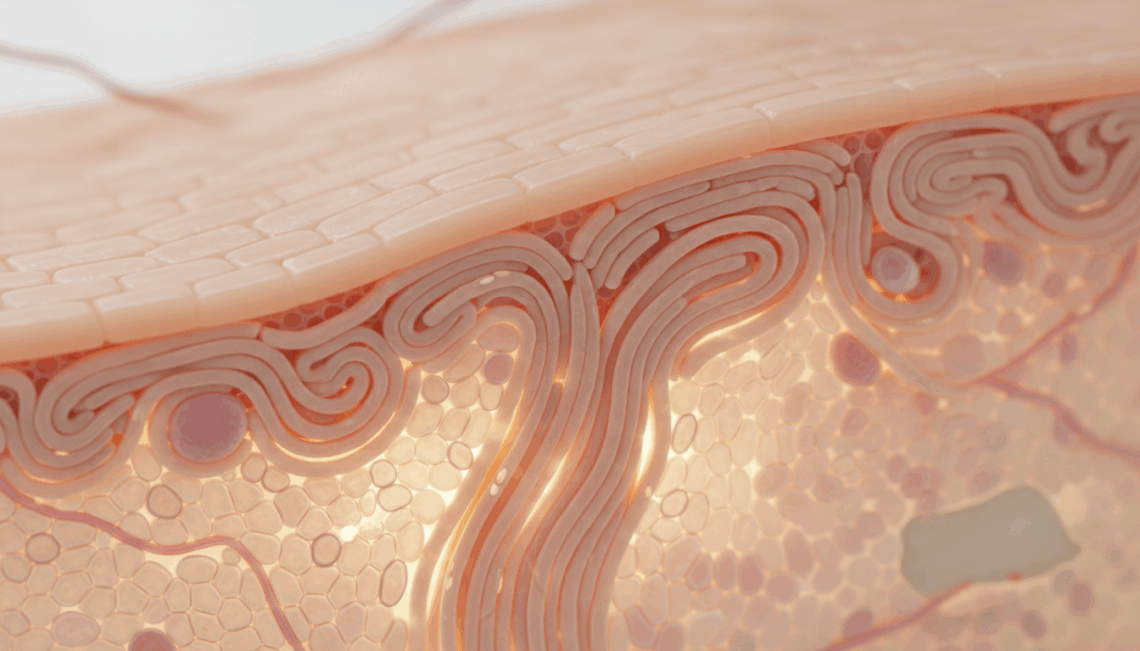
Think of your skin’s structure as a mattress. Collagen fibers are the firm frame that gives the mattress its shape and support, while elastin is the springs that allow it to bounce back. When we are young, our bodies produce an abundance of both. However, starting in our mid-20s, collagen production begins to decline by about 1% each year. Simultaneously, elastin fibers can become damaged and lose their resilience.
This gradual degradation of collagen and elastin is the main reason our skin loses its youthful plumpness and elasticity. The once-strong support network weakens, leading to visible sagging, fine lines, and wrinkles.
Beyond the Surface: The Importance of Cellular Junctions
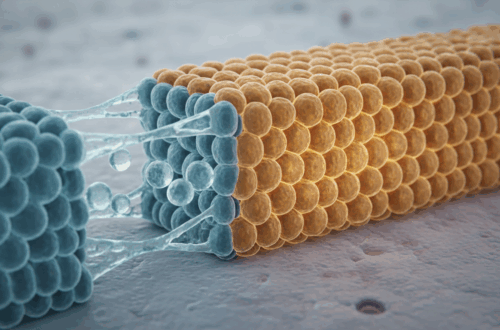
Recent dermatological science has shed light on another crucial factor: the integrity of cellular junctions. Your skin cells are held together by protein structures that act like gates, controlling what passes between them. These “gates,” known as tight junctions, are essential for keeping skin hydrated, plump, and protected from external aggressors.
As we age, and due to factors like sun exposure and inflammation, these junctions can weaken. This condition, sometimes referred to as “leaky skin,” allows moisture to escape and irritants to enter, leading to a breakdown in cellular communication and structure. The result is a loss of overall skin density and firmness, which contributes significantly to a sagging appearance.
How to Tighten Sagging Skin: A Holistic and Targeted Approach
Restoring skin firmness requires a two-pronged strategy: supporting the skin’s overall health through protective and nourishing habits, and using targeted treatments that address specific cellular weaknesses.
Nourish Your Skin from Within
What you eat and drink directly impacts your skin’s health. A diet rich in antioxidants, found in fruits and vegetables, can help fight off free radical damage that degrades collagen. Vitamin C is particularly vital, as it’s a key component in collagen synthesis. Healthy fats, like those in avocados and nuts, help maintain the skin’s lipid barrier, keeping it hydrated and supple. Staying well-hydrated by drinking plenty of water is also fundamental for maintaining skin plumpness.
Sun Protection is Non-Negotiable
UV radiation from the sun is one of the biggest culprits behind premature aging and loss of firmness. It accelerates the breakdown of collagen and elastin at an alarming rate. Applying a broad-spectrum sunscreen with an SPF of 30 or higher every single day—regardless of the weather—is the single most effective thing you can do to prevent further sagging.
Can Facial Exercises Make a Difference?
The idea of “working out” your facial muscles to tighten the skin above them is appealing, but its effectiveness is debated. While some proponents claim it can lift and tone, some dermatologists warn that repetitive facial movements could potentially worsen expression lines. Gentle facial massage, however, can be beneficial for increasing circulation and promoting lymphatic drainage, which may contribute to a temporarily more sculpted appearance.

A Targeted Solution: Addressing Skin’s “Cellular Gates”
While the lifestyle habits mentioned above are crucial for long-term skin health, many people seek a more direct solution to reverse existing signs of laxity. This is where understanding the concept of “leaky skin” becomes powerful. If weakening cellular junctions are a core part of the problem, then a treatment designed to reinforce them could offer significant benefits.
This is the principle behind specialized topical treatments that focus on restoring the integrity of the skin’s barrier. One such innovative approach is found in Mitolyn, a formula centered around a unique clay mineral discovered on a remote Greek island. The science behind it suggests that this specific type of clay has properties that help “re-seal” the gaps between skin cells.
By tightening these cellular gates, a formula like Mitolyn aims to prevent moisture loss and lock in the vital nutrients that keep skin cells communicating effectively. This process helps restore the skin’s density from a foundational level, leading to a visibly firmer, tighter, and smoother surface. It represents a shift from simply boosting collagen to actively rebuilding the skin’s protective and structural matrix.
How to Incorporate a Firming Mask into Your Routine
Using a targeted treatment like a firming clay mask is simple and can easily be added to any skincare regimen. For best results, consistency is key.
- Cleanse Thoroughly: Always start with a clean face to ensure the active ingredients can penetrate effectively.
- Apply an Even Layer: Use fingertips or a brush to apply a thin, even layer of the mask to the areas of concern, such as the face, jowls, and neck.
- Let It Work: Allow the mask to dry completely, typically for about 15-20 minutes. You may feel a tightening sensation as the clay works to draw out impurities and fortify the skin.
- Rinse and Hydrate: Gently rinse the mask off with lukewarm water and pat your skin dry. Follow up with your favorite serum and moisturizer to lock in hydration.
Using such a treatment 2-3 times per week can significantly enhance your efforts to combat sagging skin, providing a powerful complement to your daily skincare and healthy lifestyle choices.
Conclusion: A Deeper Path to Firmer Skin
Ultimately, learning how to tighten sagging skin effectively requires looking beyond quick fixes. It’s about understanding that skin laxity is a deep, structural issue rooted in the health of your collagen, elastin, and cellular junctions. By adopting a holistic approach that includes a nutritious diet, rigorous sun protection, and a smart skincare routine, you create a powerful defense against the aging process.
For those seeking to accelerate their results, incorporating a targeted treatment designed to address the problem of “leaky skin” at the cellular level can be a game-changer. By reinforcing the very fabric of your skin, you can achieve a level of firmness and resilience that surface-level creams often fail to deliver, helping your skin look as vibrant and healthy as you feel.
Frequently Asked Questions About Skin Firmness
At what age does skin typically start to sag?
While it varies based on genetics and lifestyle, most people begin to notice changes in skin elasticity in their late 30s or early 40s. However, the underlying collagen decline begins in the mid-20s, so preventive care is highly beneficial.
Can technology or professional treatments help tighten skin?
Yes, professional treatments like radiofrequency, ultrasound (like Ultherapy), and microneedling are designed to stimulate collagen production deep within the skin. They can be very effective but often require multiple sessions and can be expensive. Always consult a board-certified dermatologist to determine the best option for you.
Are there ingredients I should look for in skincare products?
Besides the specialized clays mentioned, look for ingredients like retinol (which promotes cell turnover and collagen production), peptides (which are amino acid chains that signal collagen production), and hyaluronic acid (for hydration and plumping). These are excellent for supporting overall skin health.
How long does it take to see results from a new firming routine?
Patience and consistency are crucial. With lifestyle changes and consistent use of targeted topical products, you may begin to notice subtle improvements in skin texture and hydration within 4-6 weeks. More significant changes in firmness can take 3-6 months as your skin needs time to rebuild its collagen and elastin network.