
Understanding the Constant Bloating and Gas Epidemic
It’s a feeling many of us know all too well: that uncomfortable, tight, and sometimes painful sensation of being bloated. For some, it’s an occasional annoyance after a large meal. But for a growing number of people, it’s a chronic issue. If you find yourself constantly asking, “Why am I always bloated?” you are far from alone. This persistent discomfort is often accompanied by gas, irregular digestion, and a general sense of unease, significantly impacting your quality of life. The search for the root of these constant bloating and gas causes can be frustrating, often leading down a path of dietary restrictions and temporary fixes that don’t address the core problem.
The truth is, this isn’t just about what you eat in a single meal. More often than not, the culprit is a deeper imbalance within your body’s most complex ecosystem: your gut microbiome. This intricate community of trillions of bacteria, fungi, and other microbes living in your digestive tract governs everything from digestion and nutrient absorption to your immune response and even your mood. When this delicate ecosystem is thrown out of whack—a condition known as dysbiosis—it can trigger a cascade of symptoms, with persistent bloating and gas being among the most prominent.
The Gut Microbiome: Your Body’s Inner Garden
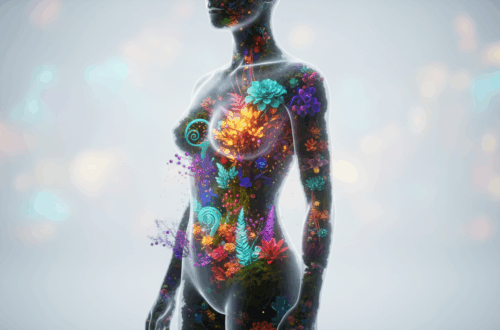
Think of your gut as a garden. When it’s flourishing, it’s filled with a diverse array of beneficial plants (good bacteria) that work together to keep the soil healthy and nutrient-rich. This allows your body to thrive. However, if weeds (harmful bacteria) start to take over, they can choke out the good plants, leading to a depleted, unhealthy garden. This is essentially what happens during dysbiosis.
These harmful bacteria ferment undigested food particles in a way that produces excessive amounts of gas, primarily hydrogen and methane. This gas production is a primary driver behind the pressure and distension you feel as bloating. Furthermore, an imbalanced gut can lead to increased inflammation and a weakened gut lining (often called “leaky gut”), which allows particles to pass into the bloodstream, potentially triggering immune responses and even skin issues like acne or eczema.
What Disrupts Your Gut Balance?
Several modern lifestyle factors can be considered primary constant bloating and gas causes by disrupting this delicate inner ecosystem:
- Poor Diet: A diet high in processed foods, sugar, and unhealthy fats, while low in fiber, feeds the harmful bacteria and starves the beneficial ones.
- Chronic Stress: High levels of stress release hormones like cortisol, which can negatively alter the gut environment and suppress the growth of good bacteria.
- Antibiotics and Medications: While necessary for treating infections, antibiotics can wipe out both good and bad bacteria, leaving your gut vulnerable to being repopulated by less desirable strains.
- Lack of Sleep: Poor sleep patterns have been shown to negatively impact the diversity of the gut microbiome.
- Environmental Toxins: Exposure to certain chemicals and pollutants can also contribute to gut dysbiosis.

Rebalancing Your Gut: The Path to Relief
If an imbalanced microbiome is the problem, then restoring that balance is the solution. This is not about a quick fix but rather a holistic approach to nurturing your inner garden back to health. The goal is to create an environment where beneficial bacteria can thrive, crowding out the gas-producing microbes and strengthening your digestive system from the inside out.
Dietary and Lifestyle Strategies
Your first line of defense is always through diet and lifestyle adjustments. Focusing on a whole-foods diet rich in fiber is fundamental. Prebiotic fibers—found in foods like onions, garlic, asparagus, and bananas—are the food that your good bacteria love to eat. Incorporating fermented foods like yogurt, kefir, sauerkraut, and kimchi can also introduce beneficial probiotic bacteria directly into your system.
Beyond diet, managing stress through practices like meditation, yoga, or even simple daily walks is crucial. Prioritizing 7-9 hours of quality sleep each night gives your body, including your gut, the time it needs to repair and regenerate. These foundational practices are non-negotiable for long-term gut health and can significantly reduce the frequency and severity of bloating.
Introducing a Targeted Approach: The Role of Advanced Supplements
While lifestyle changes are essential, sometimes your gut needs a more targeted boost to reclaim its balance, especially after years of disruption. This is where modern science can offer a helping hand. The world of probiotics and gut health supplements has evolved significantly, moving beyond simple probiotics to more comprehensive formulas designed to tackle the root of dysbiosis.
One such advanced solution gaining attention is PrimeBiome. This isn’t just another probiotic. It’s formulated with a unique blend of “gut-healing” bacteria and postbiotics designed to address the core issues behind bloating and digestive distress. The formula focuses on re-establishing a healthy microbial balance by providing strains that are specifically chosen for their ability to support the gut lining, reduce gas production, and promote overall digestive harmony.
By providing a concentrated dose of beneficial microbes and compounds, PrimeBiome aims to accelerate the process of rebalancing your inner ecosystem. It works alongside your healthy lifestyle choices to help repopulate your gut with the “good guys,” strengthen your digestive defenses, and finally provide relief from the frustrating cycle of bloating and discomfort. It represents a modern, science-backed approach to tackling one of today’s most common digestive complaints.
Is PrimeBiome Right for You?
If you have been struggling with constant bloating and gas causes and feel like you’ve tried everything, addressing your gut microbiome directly could be the missing piece of the puzzle. A supplement like PrimeBiome is designed for individuals who are ready to take a proactive and comprehensive approach to their digestive wellness.
Of course, it is always recommended to consult with a healthcare professional before beginning any new supplement regimen, especially if you have pre-existing health conditions. They can help you determine if this approach is suitable for your specific needs. However, by combining a nutrient-rich diet, stress management, and a targeted supplement strategy, you can finally stop asking “Why am I always bloated?” and start living with digestive comfort and peace.
Frequently Asked Questions (FAQ)
1. How long does it take to see results in gut health?
The timeline for improving gut health varies for everyone. Some people may notice initial improvements in bloating and digestion within a few weeks of consistent dietary changes and supplementation. For others, particularly those with more significant imbalances, it might take a few months to experience substantial, lasting benefits.
2. Can I get all the probiotics I need from food?
Fermented foods are a fantastic source of probiotics. However, the specific strains and the quantity can vary. High-quality supplements offer a targeted, consistent dose of specific beneficial strains that have been studied for their health benefits, which can be difficult to achieve through diet alone.
3. Is bloating always a sign of a bad gut?
Occasional bloating, especially after a high-fiber or large meal, is normal. However, chronic, persistent bloating that causes discomfort is often a key indicator of an underlying imbalance in the gut microbiome that needs attention. If bloating is severe or accompanied by other serious symptoms, it’s essential to consult a doctor to rule out other medical conditions.