The Unseen Epidemic: Are You Suffering from a Leaky Gut?
Do you ever feel like you’re doing everything right—eating healthy, trying to exercise—but still struggle with persistent bloating, brain fog, and stubborn weight that just won’t budge? It’s a frustrating cycle that leaves many feeling hopeless. If this sounds familiar, you may be dealing with an underlying issue that’s becoming increasingly common in our modern world: intestinal permeability, more widely known as “leaky gut syndrome.” Understanding what causes a leaky gut is the first crucial step toward reclaiming your digestive health and overall vitality.
This condition isn’t just about occasional indigestion. It’s a systemic issue that can trace back to the very core of your health: your gut lining. When this critical barrier is compromised, it can trigger a cascade of problems that affect everything from your energy levels to your mood and skin. In this guide, we’ll explore the root causes of leaky gut and discuss meaningful strategies to support your body’s natural ability to maintain a healthy, balanced digestive system.
What Exactly Is a Leaky Gut?
Imagine your digestive tract as a tightly woven cheesecloth. Its job is to let tiny, beneficial nutrients from your food pass through into your bloodstream while keeping larger, potentially harmful particles—like undigested food, toxins, and microbes—safely inside to be eliminated. This barrier is incredibly selective and intelligent.
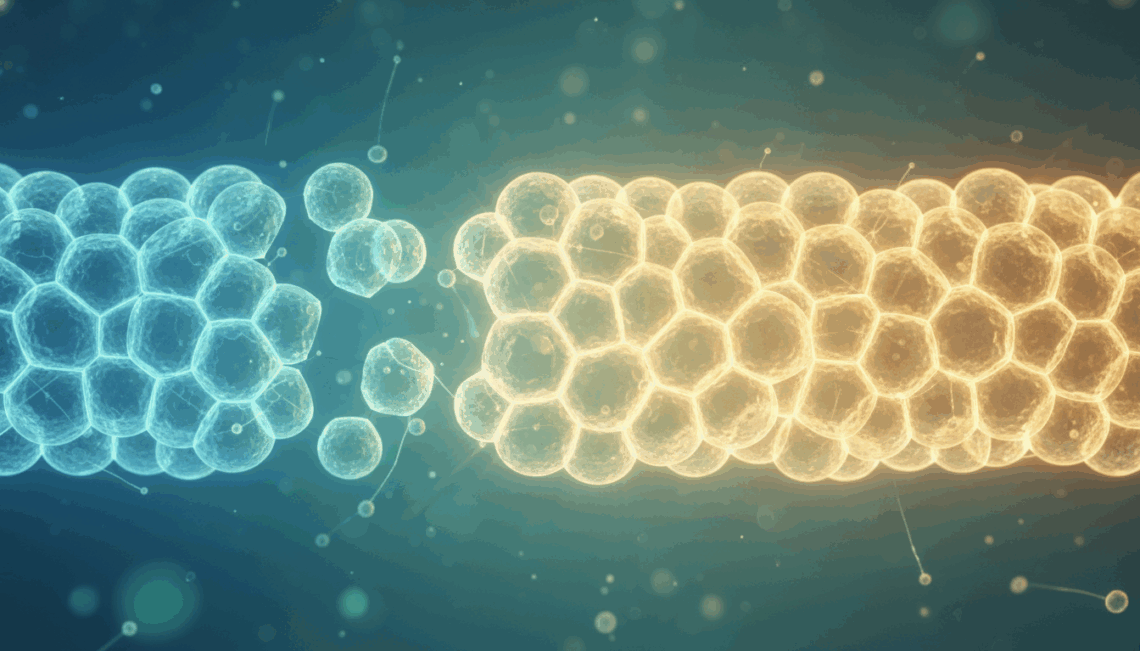
A “leaky gut” occurs when the “weave” of this cheesecloth becomes loose. The tight junctions between the cells lining your intestines get damaged and spread apart. This allows those larger, harmful particles to “leak” directly into your bloodstream, where they don’t belong. Your immune system, ever vigilant, spots these foreign invaders and launches an attack, leading to chronic inflammation throughout your body. This systemic inflammation is what ultimately connects a leaky gut to a wide array of health complaints.
The Telltale Signs: Common Symptoms of a Leaky Gut
Because leaky gut can fuel body-wide inflammation, its symptoms can be incredibly diverse and often seem unrelated to digestion. If you’re experiencing several of the following, a compromised gut lining might be a contributing factor:
- Chronic Digestive Issues: Frequent gas, bloating, diarrhea, constipation, or a diagnosis of Irritable Bowel Syndrome (IBS).
- Unexplained Fatigue: Feeling tired all the time, even after a full night’s sleep.
- Skin Problems: Conditions like acne, eczema, psoriasis, or rosacea can be linked to gut inflammation.
- Food Sensitivities: Developing new sensitivities or intolerances to foods you once ate without issue.
- Brain Fog and Mood Swings: Difficulty concentrating, memory issues, anxiety, or depression.
- Autoimmune Conditions: Leaky gut is often implicated as a factor in conditions like Hashimoto’s thyroiditis, rheumatoid arthritis, and celiac disease.
- Stubborn Weight Gain: Difficulty losing weight despite diet and exercise, often due to inflammation and hormonal imbalances.
Uncovering the Culprits: What Causes a Leaky Gut?
Several factors in our modern lifestyle can contribute to the breakdown of the intestinal barrier. Understanding these triggers is essential for developing a strategy to protect and support your gut health.
The Modern Diet and Processed Foods
Perhaps the biggest offender is the standard Western diet. Foods high in refined sugars, processed carbohydrates, and unhealthy fats can promote the growth of harmful gut bacteria, leading to inflammation. Furthermore, many processed foods contain additives and emulsifiers (like polysorbate 80 and carboxymethylcellulose) that studies suggest can directly erode the protective mucus layer of the gut, making the lining more vulnerable to damage.
Chronic Stress
Never underestimate the power of your mind-gut connection. When you are under chronic stress, your body releases cortisol. Elevated cortisol levels can weaken the tight junctions in your gut lining over time. This is why periods of high stress often coincide with digestive flare-ups.
Imbalance in Gut Microbiota (Dysbiosis)
Your gut is home to trillions of bacteria, both good and bad. In a healthy state, the beneficial bacteria keep the harmful ones in check. However, factors like a poor diet, antibiotic use, or illness can disrupt this delicate balance—a condition called dysbiosis. When harmful bacteria proliferate, they can produce toxins that damage the gut lining, contributing to increased permeability.
Environmental Toxins and Medications
Daily exposure to toxins from pollution, pesticides, and plastics can put a strain on your gut. Additionally, frequent use of certain medications, particularly non-steroidal anti-inflammatory drugs (NSAIDs) like ibuprofen, can irritate the intestinal lining and contribute to its breakdown.
The Path to a Healthier Gut: Lifestyle and Dietary Strategies
While the factors that cause leaky gut are pervasive, the good news is that you can take proactive steps to support and strengthen your intestinal barrier. The journey to a healthier gut is built on consistent, positive lifestyle changes.
Adopt a Gut-Friendly Diet
Focus on whole, unprocessed foods. Incorporate plenty of fiber from fruits and vegetables, which feeds beneficial gut bacteria. Healthy fats from avocados, olive oil, and nuts are anti-inflammatory. Bone broth is rich in collagen and amino acids that provide the building blocks for repairing the gut lining. Equally important is removing inflammatory triggers like gluten, dairy, sugar, and processed foods for a period to see how your body responds.
Manage Stress Effectively
Since stress directly impacts your gut, finding healthy ways to manage it is non-negotiable. Practices like meditation, deep breathing exercises, yoga, or simply spending time in nature can significantly lower cortisol levels and promote a healthier gut environment. Make stress management a non-negotiable part of your daily routine.
Prioritize Quality Sleep
Your body performs most of its repair work while you sleep. A lack of quality sleep disrupts your circadian rhythm, which can negatively impact your gut microbiome and increase inflammation. Aim for 7-9 hours of consistent, restful sleep per night to give your gut the time it needs to heal and regenerate.
The Role of Targeted Probiotics in Gut Lining Support
While diet and lifestyle changes are the foundation, sometimes your gut needs extra reinforcement. This is where targeted supplementation can play a powerful role. However, it’s important to understand that not all probiotics are created equal. Many generic probiotics help with digestion, but specific strains are studied for their ability to support the integrity of the gut lining itself.
The goal is to reintroduce beneficial bacteria that can help fortify the gut wall, support the protective mucus layer, and maintain the tight junctions. For those seeking comprehensive gut health support, a well-formulated supplement can provide a concentrated dose of these specific, beneficial strains that might be difficult to obtain from diet alone.
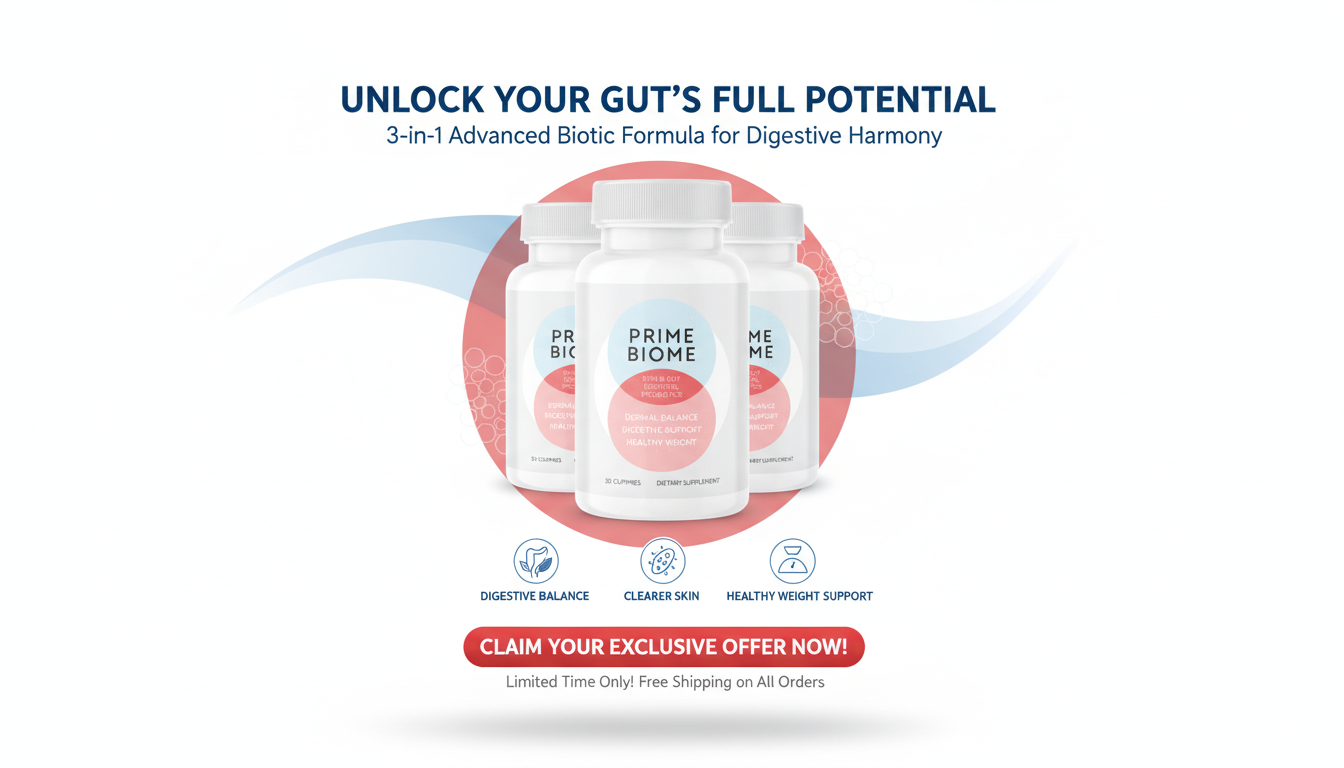
One supplement designed with this in mind is PrimeBiome. It was formulated to specifically address the complex needs of the gut lining by including clinically researched probiotic strains, such as L. Plantarum, known for their role in supporting intestinal health. By providing these targeted strains, PrimeBiome aims to help maintain a healthy gut environment, which is the cornerstone of comfortable digestion, balanced energy, and overall wellness. It acts as a powerful ally alongside your dietary and lifestyle efforts.
Conclusion: Your Journey to Wellness Starts in the Gut
Understanding what causes a leaky gut is more than just an academic exercise—it’s the key to unlocking a new level of health. The bloating, fatigue, and frustration you may be feeling are signals from your body asking for help. By addressing the root causes—like diet, stress, and microbial imbalances—and supporting your gut lining with intentional nutrition and targeted supplementation, you can begin to heal and seal your gut barrier.
This journey requires patience and consistency, but the rewards are immense. A healthy gut is the foundation for a healthy life, leading to clearer skin, more energy, a sharper mind, and a greater sense of well-being. Take the first step today by making one small, positive change for your gut health.
Disclaimer: The information in this article is for educational purposes only. It is not intended to be a substitute for professional medical advice, diagnosis, or treatment. Always seek the advice of your physician or another qualified health provider with any questions you may have regarding a medical condition.