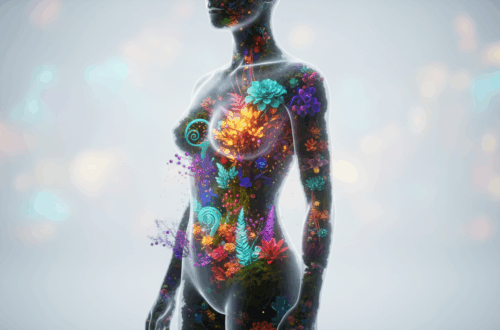

That tight, uncomfortable feeling in your stomach. The sensation of being full, even when you haven’t eaten much. The frustrating reality of clothes that fit in the morning but feel restrictive by evening. If this sounds familiar, you’re not just dealing with occasional indigestion; you’re facing constant bloating. It’s a persistent problem that can disrupt your comfort, confidence, and overall quality of life. Many people try changing their diet, cutting out certain foods, or drinking more water, only to find the bloating returns. This article will explore the deeper reasons behind this issue and explain how to get rid of constant bloating by addressing its root cause: the complex world within your gut.
What is Bloating and Why Does It Become Constant?
At its core, bloating is the sensation of having gas trapped in your gastrointestinal (GI) tract. This can cause your abdomen to feel full, tight, and visibly distended. Occasional bloating is a normal part of digestion, often triggered by eating too fast, consuming carbonated drinks, or eating high-fiber foods that your body isn’t used to. However, when this feeling becomes a daily occurrence, it signals a deeper, more chronic issue.
Constant bloating is rarely about a single meal or beverage. It’s typically a symptom of an underlying imbalance. The digestive system is a complex ecosystem, and when one part is out of sync, it creates a domino effect. The most common culprits for chronic bloating include slow digestion (gastroparesis), food sensitivities (like lactose or gluten intolerance), and imbalances in your gut microbiome, which is where the real problem often lies for those who feel perpetually “puffy” and uncomfortable.
Beyond the Usual Suspects: The Hidden Cause of Your Discomfort
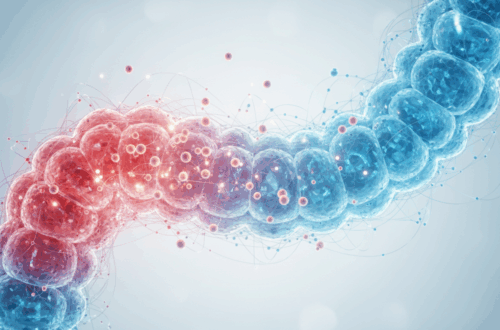
While many factors can contribute to bloating, one of the most significant and often overlooked is the health of your gut microbiome. This intricate community of trillions of bacteria, fungi, and other microbes living in your digestive tract is essential for everything from nutrient absorption to immune function. When this ecosystem is balanced, your digestive system runs smoothly. When it’s out of balance—a condition known as dysbiosis—problems like constant bloating can take hold.
Introducing Your Gut Microbiome
Think of your gut as a bustling city. The “good” bacteria (probiotics) are the hardworking citizens who keep things running smoothly. They help break down food, produce essential vitamins, and protect against pathogens. The “bad” bacteria are the troublemakers. A small number of them are manageable, but when their population grows unchecked, they can cause chaos. This overgrowth often leads to excessive fermentation of the foods you eat, producing large amounts of gas that result in painful bloating, cramping, and discomfort.
When Good Bacteria Go Bad: The “Zombie Bacteria” Effect
Modern lifestyles, diets high in processed foods and sugar, stress, and the use of antibiotics can all disrupt the delicate balance of your gut flora. These factors can weaken the populations of beneficial bacteria, allowing harmful or “zombie” bacteria to thrive. These microbes feed on sugars and undigested carbohydrates, releasing gas as a byproduct. The more of them you have, the more gas they produce, leading to a cycle of chronic bloating that seems impossible to break. Understanding how to get rid of constant bloating means understanding how to restore order to this internal city.

How to Get Rid of Constant Bloating: A Foundational Approach
Reclaiming your digestive comfort requires a two-pronged strategy: first, you need to stop feeding the harmful bacteria that are causing the problem, and second, you need to actively repopulate your gut with the beneficial bacteria that promote healthy digestion. This isn’t about a quick fix but rather a sustainable approach to rebalancing your gut microbiome for long-term relief.
Step 1: Starve the Bad Guys (Dietary Tips)
Harmful gut bacteria thrive on sugar and highly processed carbohydrates. By reducing your intake of these foods, you can effectively cut off their primary fuel source.
- Limit Added Sugars: Pay close attention to labels on packaged foods, sauces, and drinks. Sugar is often hidden where you least expect it.
- Reduce Refined Carbohydrates: White bread, pasta, and pastries are easily fermented by gas-producing bacteria. Opt for complex carbohydrates like quinoa, oats, and brown rice in moderation.
- Focus on Whole Foods: Build your meals around lean proteins, healthy fats, and a variety of vegetables. These foods provide essential nutrients without feeding the microbes that cause bloating.
Step 2: Repopulate with the Good Guys (Probiotics & Postbiotics)
While adjusting your diet is crucial, you also need to actively introduce beneficial bacteria to reclaim territory in your gut. This is where probiotics and, increasingly, postbiotics come into play. Probiotics are the live beneficial bacteria themselves, found in fermented foods like yogurt, kefir, and sauerkraut. Postbiotics, however, are the beneficial compounds that probiotics produce. They offer a more direct way to support gut health without some of the complications of live cultures.
The Role of a Targeted Postbiotic in Restoring Balance
For individuals struggling with significant dysbiosis, a targeted supplement can provide a concentrated dose of the specific bacterial strains needed to restore order. This is where a specialized formula can make a significant difference. A postbiotic approach delivers the beneficial substances directly, helping to create an environment where healthy microbes can flourish.
PrimeBiome is a supplement designed around this very principle. It leverages a “postbiotic gut slimdown” formula featuring key strains of beneficial bacteria like L. Gasseri, L. Rhamnosus, L. Plantarum, and L. Reuteri. These specific strains are not chosen at random; they have been studied for their ability to outcompete harmful bacteria, support the gut lining, and regulate the digestive process. By providing a powerful blend of these helpful allies, PrimeBiome aims to address the root cause of chronic bloating—the overgrowth of “zombie bacteria”—and restore a healthy, balanced, and comfortable digestive ecosystem.
What to Expect When Your Gut Health Improves
As your gut microbiome shifts back into balance, the changes can be profound. The most immediate benefit is often a reduction in gas production and bloating. With fewer harmful bacteria fermenting your food, your digestive system can process meals more efficiently, leading to less discomfort and a flatter-feeling stomach. Beyond just bloating, a healthier gut can lead to improved nutrient absorption, more stable energy levels, clearer skin, and even a more positive mood, as the gut and brain are closely linked. It’s important to remember that this process takes time. It’s a gradual rebalancing, not an overnight cure. Consistency is key.
Ultimately, learning how to get rid of constant bloating is about shifting your focus from temporary fixes to long-term gut health. By understanding the critical role of your microbiome and taking strategic steps to support it through diet and targeted supplementation, you can finally break the cycle of discomfort and achieve lasting relief. Before starting any new supplement regimen, it is always recommended to consult with a healthcare professional to ensure it is the right choice for your individual health needs.
Frequently Asked Questions (FAQ)
1. How long does it take to see improvements in bloating after starting a gut-focused plan?
Results can vary widely depending on the individual and the severity of the gut imbalance. Some people may notice a reduction in bloating within the first one to two weeks, while for others, it may take a month or more of consistent effort. Patience and consistency with dietary changes and supplements are crucial.
2. Can I get enough good bacteria from food alone?
For some people, a diet rich in fermented foods like yogurt, kimchi, and kefir can be sufficient to maintain gut health. However, for those with significant dysbiosis causing constant bloating, a targeted supplement can provide a higher, more specific dose of beneficial strains that may be difficult to obtain from diet alone.
3. Is all bloating a sign of a bad gut microbiome?
Not necessarily. Occasional bloating can be caused by simple things like swallowing air, eating a large meal, or consuming carbonated beverages. However, if bloating is persistent, painful, and occurs daily regardless of what you eat, it is a strong indicator that an underlying imbalance in the gut microbiome is a contributing factor.