
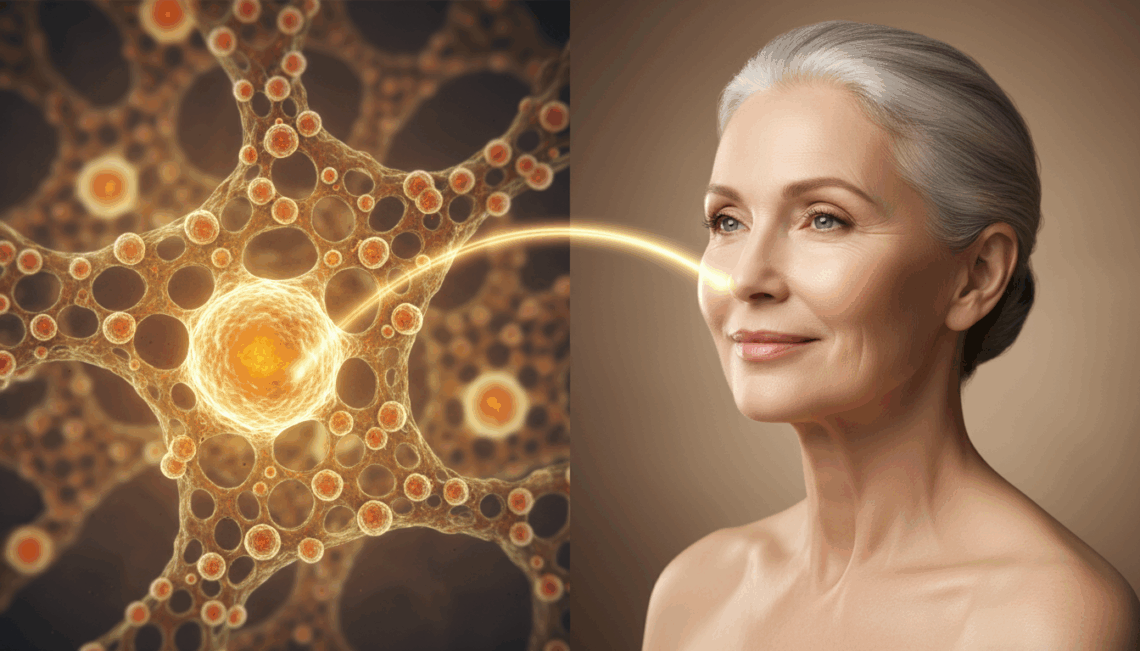
The Unseen Cause of Visible Aging
It can be a frustrating experience. You follow a dedicated skincare routine, use quality moisturizers, and protect yourself from the sun, yet the fine lines, wrinkles, and loss of firmness seem to continue their steady march across your skin. If you feel like you’re fighting a losing battle against the mirror, you’re not alone. Many people find that surface-level treatments only offer temporary results, leaving them searching for a deeper solution. The truth is, the most significant factors contributing to how our skin ages lie far beneath the surface, at a microscopic level. This is the world of understanding cellular skin aging, and it holds the key to achieving a truly youthful and vibrant appearance.
Instead of just masking the symptoms, what if we could address the root cause? The key is to look at the health and behavior of our skin cells. As we age, these foundational building blocks of our skin undergo changes that directly impact what we see on the outside. In this guide, we will explore the fascinating science of cellular aging, uncover the role of specific “zombie cells,” and discuss how a targeted approach can help support your skin’s health from the inside out.
What Is Cellular Skin Aging?
At its core, skin is a dynamic, living organ that is constantly renewing itself. When we are young, this process of renewal is incredibly efficient. Old, damaged skin cells are shed and quickly replaced by fresh, healthy ones. This rapid turnover is what gives young skin its characteristic smoothness, firmness, and radiance. This process, known as cell proliferation and turnover, is driven by the health of our cellular machinery.
However, as we get older, this renewal process naturally slows down. Several factors contribute to this deceleration:
- Slower Cell Division: The rate at which new skin cells are created diminishes. This means it takes longer to replace the older cells at the surface, leading to a duller complexion.
- Accumulated Damage: Over the years, our cells are exposed to internal and external stressors. The most significant is oxidative stress, caused by free radicals from UV radiation, pollution, and even our own metabolic processes. This damage can harm cellular DNA, proteins (like collagen and elastin), and lipids.
- Weakened Structural Support: The cells responsible for producing collagen and elastin—the proteins that give skin its structure and bounce—become less active. As production drops and existing fibers are broken down, the skin loses its firmness and elasticity, leading to sagging and wrinkles.
This slowdown is a natural part of life, but its effects are profound. However, there’s another, more specific cellular phenomenon that scientists now believe is a primary driver of the visible signs of aging: the accumulation of senescent cells.
The Role of Senescent ‘Zombie’ Cells in Skin Aging
One of the most compelling areas of research in understanding cellular skin aging revolves around a concept called cellular senescence. Imagine a cell that is too damaged to function properly or divide, but it resists the natural process of dying off. It enters a state of limbo—it’s not dead, but it’s not alive and healthy either. These are often called “zombie cells.”
While a few of these cells are manageable for the body, problems arise when they begin to accumulate in our tissues, including the skin. A senescent cell does more than just take up space; it actively secretes a cocktail of inflammatory molecules. This inflammatory environment is detrimental to the surrounding healthy cells and can accelerate the aging process significantly by:
- Degrading Collagen and Elastin: The substances released by zombie cells can break down the essential proteins that keep skin firm and youthful.
- Spreading Inflammation: This chronic, low-grade inflammation can impair the skin’s barrier function and make it more susceptible to damage.
- Inhibiting Healthy Cell Function: The toxic environment created by senescent cells can even encourage nearby healthy cells to become senescent themselves, creating a domino effect of aging.
Essentially, a buildup of these zombie cells creates a hostile environment within your skin, directly contributing to wrinkles, sagging, and an overall aged appearance. This is why simply hydrating the skin’s surface often isn’t enough to create lasting change.

Why Traditional Creams Might Not Be Enough for Cellular Aging
The vast majority of skincare products on the market work on the epidermis, the outermost layer of the skin. Moisturizers and humectants provide hydration by trapping water, which can temporarily plump up fine lines. Exfoliants help to slough off the top layer of dead skin cells, revealing the newer cells underneath for a brighter appearance. These are important steps for skin health and appearance, but they don’t address the core issue of what’s happening in the deeper layers where senescent cells accumulate.
Think of it like tending to a garden. You can water the leaves (moisturize) and pull the visible weeds (exfoliate), but if the soil itself is unhealthy, the plants will never truly thrive. Cellular skin aging is an issue with the “soil” of your skin. To make a real difference, we need to support the skin’s health at this foundational level. This requires a different approach—one that focuses on providing the body with the tools it needs to manage cellular health from within.
Supporting Your Skin at the Cellular Level: The Power of Polyphenols
If the problem is cellular, the solution must also be cellular. This is where nutrition and specific bioactive compounds come into play. Polyphenols are a group of powerful, naturally occurring compounds found in plants. They are renowned for their antioxidant properties, which means they can help neutralize the free radicals that cause oxidative stress and damage our cells.
Some of the most researched polyphenols for cellular health include:
- Resveratrol: Found in sources like grapes and Japanese Knotweed, resveratrol is studied for its ability to support cellular pathways related to longevity and health.
- Curcumin: The active compound in turmeric, curcumin is a potent anti-inflammatory and antioxidant that can help protect cells from damage.
- Quercetin: Found in many fruits and vegetables, this polyphenol has been studied for its potential role in helping the body manage senescent cells.
By helping to manage oxidative stress and supporting the body’s natural cleanup processes, a diet rich in diverse polyphenols can be a cornerstone of any strategy aimed at understanding and combating cellular skin aging. They provide our cells with the defensive support they need to function optimally and resist the stressors that lead to senescence.
A Targeted Approach to Cellular Skin Rejuvenation
While a healthy diet is crucial, modern science allows for a more direct and concentrated approach. Recognizing the powerful role of polyphenols in cellular health, researchers have developed specialized formulas designed to deliver a potent blend of these compounds. This is where a targeted supplement like Mitolyn can play a role. It is designed as a youth-restoring polyphenol serum that works systemically to address the very issues we’ve discussed.
Formulated with a specific blend of polyphenols sourced from potent natural ingredients, Mitolyn is designed to support the body’s ability to “flush out” stubborn senescent cells. By addressing the root cause—the accumulation of zombie cells—the goal is to help restore a healthier cellular environment. This, in turn, allows the skin’s natural rejuvenation processes to function more effectively, leading to visible improvements in firmness, a reduction in the appearance of wrinkles and age spots, and a more youthful glow from the inside out.
How to Incorporate a Cellular Serum into Your Routine
Integrating a dietary serum focused on cellular health is straightforward. These are not topical creams but supplements designed to be taken orally, allowing the ingredients to work systemically throughout the body.
Consistency is Key
Like any approach that works from within, results are not instantaneous. Cellular renewal is a process. Consistent daily use is essential to allow the powerful ingredients to accumulate and support your body’s natural cycles. Think of it as investing in your skin’s long-term future.
Support with a Healthy Lifestyle
For the best results, complement a cellular health supplement with a holistic approach. This includes a balanced diet rich in antioxidants, adequate hydration, consistent sun protection, and a quality topical skincare routine. When you support your body from both the inside and the outside, the results are often amplified.
Conclusion: A New Paradigm for Youthful Skin
True skin rejuvenation goes beyond the surface. By understanding cellular skin aging and the critical role that senescent “zombie” cells play, we can shift our focus from temporarily masking symptoms to addressing the foundational cause. The accumulation of these cells disrupts the healthy functioning of our skin, accelerates the breakdown of collagen, and creates a pro-aging environment.
Supporting your body with potent, research-backed polyphenols offers a powerful strategy to promote cellular health from within. Formulas like Mitolyn are at the forefront of this approach, providing a targeted blend of ingredients designed to help your body manage senescent cells and restore a more youthful cellular environment. This empowers you to move beyond surface-level fixes and embrace a solution that helps your skin look and feel truly revitalized.
Disclaimer: The information in this article is for educational purposes only and is not intended as medical advice. The statements regarding these products have not been evaluated by the Food and Drug Administration. This product is not intended to diagnose, treat, cure, or prevent any disease. Always consult with a qualified healthcare professional or dermatologist before starting any new supplement or skincare regimen, especially if you have pre-existing health conditions or are taking medication.