The Invisible Drain: Understanding Cellular Energy Decline
Do you ever feel like your internal battery is constantly running low? It’s a feeling that goes beyond simple tiredness—a persistent fatigue that sleep doesn’t seem to fix, accompanied by a lack of vitality you can’t quite put your finger on. You might notice your skin looking duller or feeling less firm. This isn’t just in your head; it’s a biological process known as cellular energy decline, and it’s happening to all of us as we age.
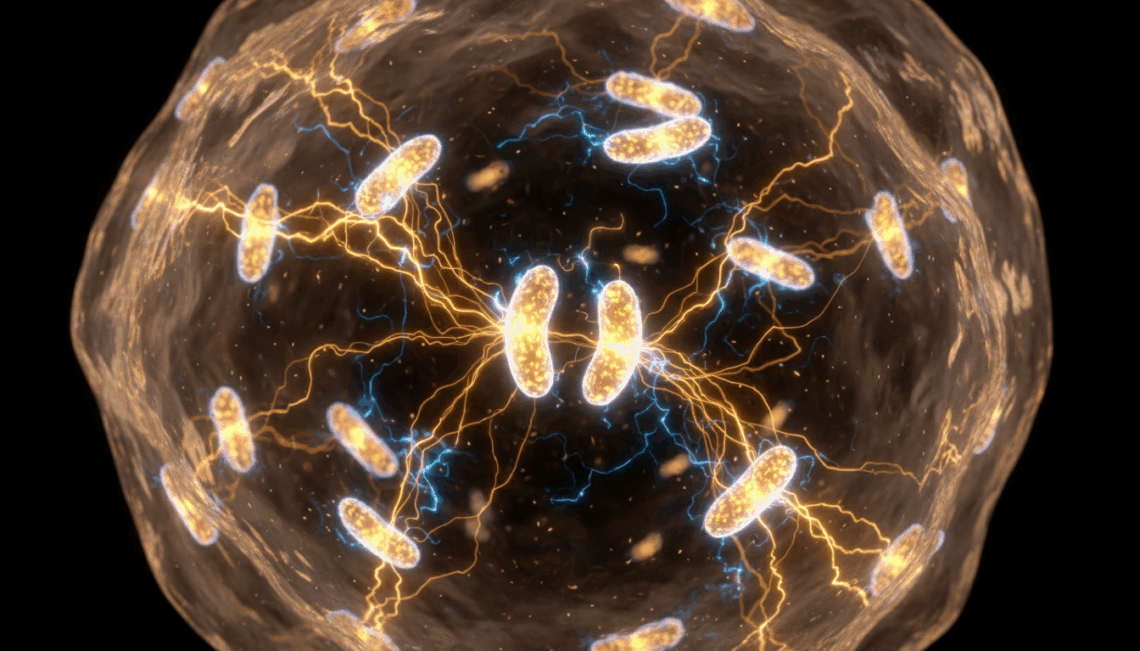
Our bodies are composed of trillions of cells, and each one contains tiny powerhouses called mitochondria. These organelles are responsible for converting the food we eat and the air we breathe into adenosine triphosphate (ATP), the primary energy currency of the cell. Think of them as microscopic engines that power everything from muscle movement and brain function to skin regeneration. When these engines slow down, the entire system feels the effects.
What Causes Our Cellular Engines to Slow Down?
The primary driver of cellular energy decline is the aging process itself. Over time, mitochondria become less efficient and more susceptible to damage from oxidative stress—a natural byproduct of energy production. Oxidative stress is caused by unstable molecules called free radicals, which can harm cellular structures, including the mitochondria themselves. This creates a vicious cycle: damaged mitochondria produce more free radicals, leading to further damage and a progressive loss of cellular energy.
Several other factors can accelerate this process:
- Poor Nutrition: A diet lacking in essential nutrients and antioxidants fails to provide mitochondria with the raw materials they need to function optimally and protect themselves from damage.
- Chronic Stress: High levels of cortisol, the stress hormone, can negatively impact mitochondrial function, contributing to feelings of burnout and fatigue.
- Lack of Quality Sleep: During deep sleep, the body performs critical cellular repair processes. Insufficient or poor-quality sleep robs your cells of this vital restoration time.
- Sedentary Lifestyle: Physical activity signals the body to produce more mitochondria to meet energy demands. A lack of exercise can lead to a decrease in their number and efficiency.
The Telltale Signs of Cellular Energy Decline
Because mitochondria power every system in your body, a decline in their function can manifest in various ways. You might experience persistent physical and mental fatigue, finding it harder to get through the day with the same vigor you once had. Your cognitive function may feel sluggish, with occasional brain fog or difficulty concentrating. Physically, you might notice that your skin is losing its elasticity and youthful glow, or that your recovery time after exercise is longer than it used to be. These are not just random signs of getting older; they are direct consequences of a reduction in cellular power.

Can You Recharge Your Cells? Lifestyle Strategies That Help
The good news is that you are not powerless against cellular energy decline. By adopting specific lifestyle habits, you can support your mitochondria and promote better cellular function. The goal is to both protect existing mitochondria from damage and encourage the creation of new, healthy ones—a process known as mitochondrial biogenesis.
1. Fuel Your Body with a Mitochondria-Supportive Diet
Focus on a diet rich in antioxidants, which help neutralize damaging free radicals. This includes colorful fruits and vegetables like berries, leafy greens, and bell peppers. Healthy fats are also crucial, as mitochondrial membranes are primarily made of fats. Incorporate sources like avocados, nuts, seeds, and olive oil.
2. Embrace Smart Exercise
Both high-intensity interval training (HIIT) and endurance exercise have been shown to stimulate mitochondrial biogenesis. HIIT involves short bursts of intense effort followed by brief recovery periods, while endurance exercise includes activities like jogging, swimming, or cycling. The key is consistency. Aim for a mix of both throughout your week to effectively signal your body to build more cellular power plants.
3. Prioritize Restorative Sleep
Aim for 7-9 hours of quality sleep per night. This allows your body’s cellular cleanup crews to go to work, repairing damage and recycling worn-out cellular components. Create a relaxing bedtime routine, avoid screens before bed, and ensure your bedroom is dark, quiet, and cool to optimize your sleep quality.
Targeted Nutritional Support: Going a Step Further
While lifestyle changes are the foundation of healthy aging, sometimes your cells need an extra level of targeted support to combat years of accumulated stress. The modern diet, even when healthy, may not always provide the optimal concentration of specific nutrients required to supercharge mitochondrial health. This is where a specialized supplement designed to address the root causes of cellular energy decline can play a significant role.
For those serious about restoring vitality from the inside out, a formula that specifically nourishes mitochondria is the logical next step. A product like Mitolyn is engineered with key ingredients that work synergistically to protect, repair, and enhance mitochondrial function. It provides a concentrated dose of compounds that are difficult to obtain in sufficient quantities from diet alone.
How Key Ingredients Support Your Cellular Engines
Mitolyn’s formulation is built around nutrients scientifically recognized for their role in cellular energy production and protection:
- Coenzyme Q10 (CoQ10): An essential component of the energy production process within mitochondria. It acts as a powerful antioxidant, protecting mitochondrial membranes from oxidative damage.
- Pyrroloquinoline Quinone (PQQ): This compound is known to stimulate the creation of new mitochondria, effectively increasing the number of energy factories in your cells.
- D-Ribose: A fundamental building block of the ATP molecule itself. Supplementing with D-Ribose can help ensure your cells have the raw materials needed to replenish their energy stores quickly.
By combining these ingredients, Mitolyn offers a comprehensive approach. It doesn’t just aim to provide a temporary energy boost; it works at the cellular level to help rebuild the very foundation of your body’s energy and vitality systems. It supports skin cell health for a more youthful appearance, enhances cognitive function by fueling brain cells, and promotes overall physical stamina.
Important Note: It is always recommended to consult with a healthcare professional before beginning any new supplement regimen, especially if you have pre-existing health conditions or are taking other medications. A supplement should complement a healthy lifestyle, not replace it.
Conclusion: Reclaim Your Energy from the Cell Up
Feeling energetic, vibrant, and clear-headed is not a luxury reserved for the young. By understanding and addressing cellular energy decline, you can take proactive steps to reclaim your vitality. A foundation of a nutrient-dense diet, regular exercise, and quality sleep is essential. For those looking to provide maximum support to their cellular powerhouses, a targeted supplement can offer the specific nutrients needed to help turn back the clock on cellular aging, empowering you to feel your best at any age.
Frequently Asked Questions (FAQ)
What is the main difference between being tired and having cellular energy decline?
Normal tiredness is usually acute and can be resolved with a good night’s sleep or rest. Cellular energy decline is a chronic state of low vitality and persistent fatigue that isn’t easily fixed by sleep, as it stems from a reduced capacity of your cells to produce energy efficiently.
How long does it take to see results from lifestyle changes?
While some benefits, like improved mood from exercise, can be immediate, noticeable changes in energy levels and overall vitality from diet and consistent exercise can take several weeks to a few months. Cellular repair is a gradual process.
Is cellular energy decline reversible?
While the aging process itself cannot be stopped, the effects of cellular energy decline can be significantly mitigated. Through supportive lifestyle choices and targeted nutrition, you can improve mitochondrial function, stimulate the growth of new mitochondria, and enhance your body’s overall energy production, effectively “reversing” many of the symptoms.