The Frustrating Cycle of Bloating
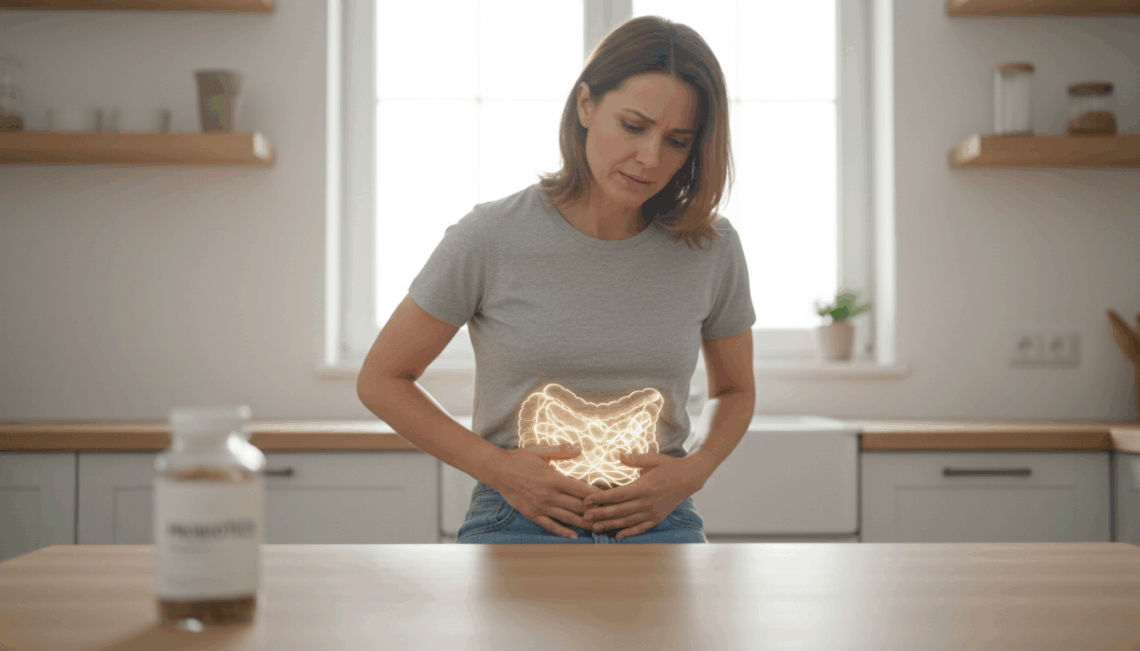
You’ve done everything right. You eat your greens, you drink plenty of water, and you faithfully take your daily probiotic, hoping for that promised relief from bloating and digestive discomfort. Yet, the feeling persists: that uncomfortable pressure, the frustrating gas, and a general sense of being “off.” It’s a common and disheartening experience, leading many to wonder why probiotics not working for bloating is a reality for them. If you feel like you’re stuck in a cycle of trial and error with no end in sight, you are not alone. The answer may not lie in adding more “good” bacteria, but in understanding why your gut isn’t letting them do their job in the first place.
For years, we’ve been told that a healthy gut is all about probiotics. While these beneficial bacteria are certainly a crucial part of the equation, they are not a universal fix. Sometimes, the underlying issues within our digestive system are more complex. The gut environment might be too hostile, the specific strains might not be right for your unique needs, or the root cause might not be a lack of good bacteria at all. It might be the very structure and health of your gut lining that needs attention.
The Probiotic Promise: What Are They Supposed to Do?
Before we explore why probiotics might fail, it’s important to understand their intended role. Probiotics are live microorganisms, primarily bacteria and some yeasts, that are believed to provide health benefits when consumed. The core idea is to supplement the natural population of microbes in your gut, known as your gut microbiome.
A balanced microbiome is essential for several bodily functions:
- Digestion: Helping to break down food that the body can’t digest on its own.
- Nutrient Absorption: Aiding in the absorption of essential vitamins and minerals.
- Immune Function: The gut wall houses 70-80% of the body’s immune cells.
- Mood Regulation: The gut is often called the “second brain” due to its production of neurotransmitters like serotonin.
When this delicate ecosystem is thrown out of balance—due to stress, poor diet, antibiotics, or illness—it can lead to a state called dysbiosis. This is where symptoms like bloating, gas, and indigestion often begin. The promise of probiotics is to restore that balance by reintroducing beneficial microbes. But what happens when that’s not enough?
Top Reasons Probiotics Might Not Be Working for Your Bloating
If you’ve been consistent with a probiotic supplement without seeing results, it’s not necessarily because the product is bad. It’s more likely that it’s not addressing the real, underlying cause of your discomfort. The issue of probiotics not working for bloating often comes down to a few key factors.
1. Your Gut Environment is Too Hostile
Think of your gut as a garden. You can’t just throw seeds (probiotics) onto dry, weed-infested soil and expect a lush garden to grow. If your gut lining is inflamed or overrun by “bad” bacteria, new probiotics will struggle to survive and colonize. These harmful microbes can create an environment that is simply too competitive and inhospitable for the good guys to thrive. This is a common reason people experience little to no change—the new arrivals are simply being crowded out before they can make an impact.
2. You Have an Underlying Condition Like SIBO
Small Intestinal Bacterial Overgrowth (SIBO) is a condition where bacteria that normally grow in other parts of the gut start growing in the small intestine. This can cause significant bloating, gas, and pain. In some cases, taking certain types of probiotics can actually make SIBO symptoms worse by adding more bacteria to an area that is already overcrowded. If your bloating is severe and persistent, it’s crucial to speak with a healthcare provider to rule out conditions like SIBO.
3. The Problem Isn’t Just About Bacteria—It’s Your Gut Lining
This is perhaps the most overlooked aspect of gut health. The intestinal wall is a complex barrier that controls what gets absorbed into the bloodstream. When it becomes damaged or overly permeable—a condition often referred to as “leaky gut”—it can trigger inflammation throughout the body. This inflammation is a major source of bloating and digestive distress. Probiotics alone can’t repair a damaged gut lining. They can help manage the microbial environment, but they can’t rebuild the physical structure of the gut wall.
Beyond Probiotics: The Role of Postbiotics in Gut Health
If probiotics are the live bacteria, what happens after they’ve done their work? They produce compounds called postbiotics. These are the bioactive substances that are created when probiotics feed on prebiotics (fiber). Essentially, postbiotics are the “end product” that delivers many of the health benefits we associate with a healthy gut.
These compounds include:
- Short-chain fatty acids (SCFAs) like butyrate
- Vitamins B and K
- Amino acids
- Antimicrobial peptides that help control bad bacteria
Butyrate, in particular, is the primary fuel source for the cells that line your colon. It helps to strengthen the gut barrier, reduce inflammation, and maintain a healthy gut environment. The exciting part is that you don’t have to rely solely on your internal bacteria to produce these compounds. Supplementing directly with postbiotics can provide these benefits without the uncertainty of whether live probiotics will survive in your gut.
A Targeted Approach to Support Your Gut Lining
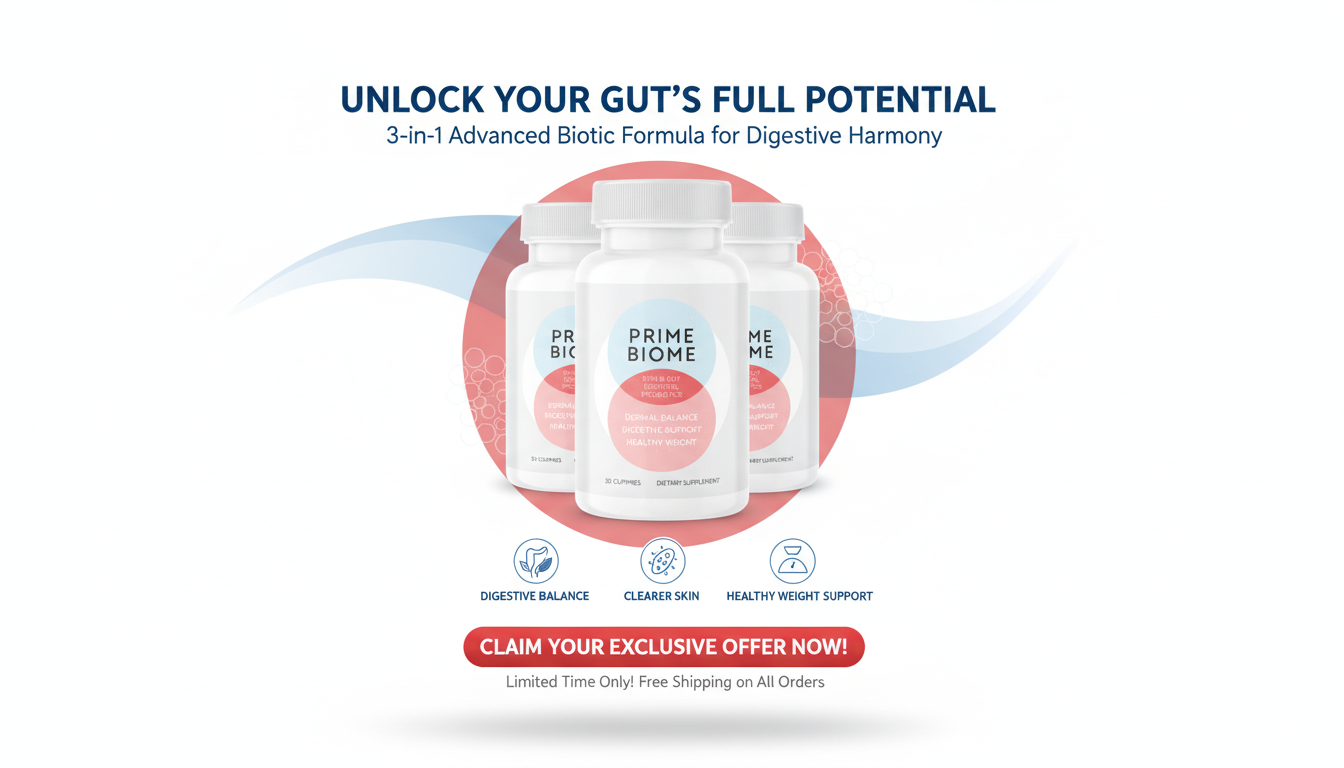
This is where a product like PrimeBiome comes into the picture. It’s designed to address the shortcomings of traditional probiotics by focusing on the health of the gut lining and the overall gut environment through a postbiotic approach. Instead of just adding more bacteria to the mix, it provides the compounds your gut needs to repair and strengthen itself.
One of its key ingredients is Tributyrin, a highly effective form of butyrate. By directly supplying this crucial short-chain fatty acid, PrimeBiome provides the building blocks your gut cells need to heal. This helps to fortify the gut barrier, reduce the inflammation that causes bloating, and create a healthier environment where beneficial bacteria can naturally thrive.
Furthermore, it contains ingredients like Cat’s Claw, known for its anti-inflammatory properties, which can help calm the systemic irritation that often accompanies gut issues. This comprehensive formula offers a more direct route to relief, especially when the root of your problem is a compromised gut lining—a reason why probiotics not working for bloating is so common.
Lifestyle Habits to Complement Your Gut Health Journey
While a targeted supplement can be a powerful tool, it works best as part of a holistic approach to wellness. True gut health is supported by daily habits that reduce inflammation and nourish your body.
Mindful Eating and Hydration
Pay attention to how your body responds to certain foods. Common culprits for bloating include dairy, gluten, artificial sweeteners, and highly processed foods. Focus on a diet rich in whole foods, fiber, and lean protein. Staying hydrated is also essential for keeping your digestive system moving smoothly.
Stress Management
The gut-brain connection is incredibly strong. Chronic stress can wreak havoc on your digestive system by increasing inflammation and altering gut bacteria. Incorporate stress-reducing activities into your routine, such as meditation, deep breathing exercises, gentle yoga, or spending time in nature.
Consult a Healthcare Professional
It is crucial to remember that this information is for educational purposes and should not be taken as medical advice. Persistent and severe digestive issues require a proper diagnosis from a qualified healthcare provider, such as a gastroenterologist or a registered dietitian. Before starting any new supplement regimen, it is always best to consult with your doctor to ensure it is appropriate for your specific health needs and to rule out any serious underlying conditions.
A New Path to Digestive Comfort
Feeling constantly bloated and uncomfortable is not something you have to accept as normal. If you’ve felt let down by probiotics, it doesn’t mean your situation is hopeless. It simply means you may need to shift your focus from just the bacteria to the environment they live in. By addressing the health of your gut lining and reducing inflammation, you can tackle the root causes of your discomfort. A postbiotic-focused approach, combined with a mindful lifestyle, can be the key to finally achieving the digestive balance and relief you’ve been searching for.