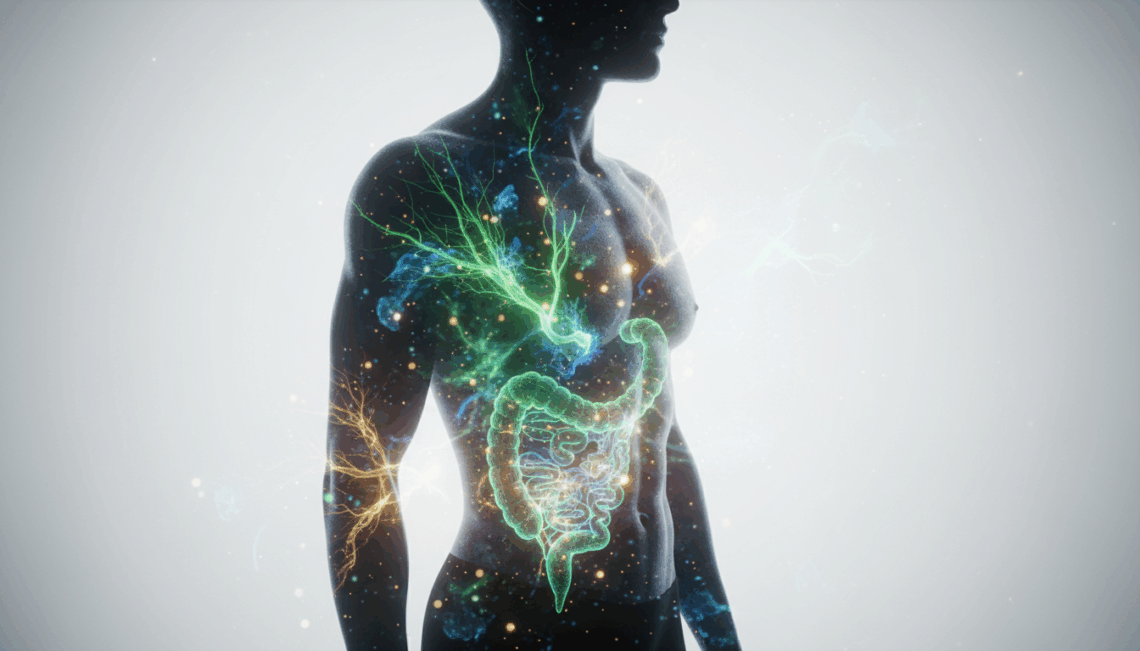
Are you diligently dieting and exercising, yet the stubborn belly fat just won’t budge? It’s a frustrating cycle that leaves many feeling defeated. You follow all the rules, but the scale refuses to cooperate, especially around your midsection. If this sounds familiar, you might be overlooking a critical factor: your gut health. The question of whether can poor gut health cause belly fat is no longer a fringe theory; it’s a pivotal area of scientific research. It turns out, the complex ecosystem of trillions of bacteria in your digestive system, known as your gut microbiome, plays a powerful role in regulating your metabolism, inflammation, and even where your body stores fat.
For too long, we’ve been told weight loss is a simple equation of calories in versus calories out. But what if your internal biology is actively working against you? This isn’t about a lack of willpower; it’s about biochemistry. An imbalanced gut can lead to a cascade of issues, including chronic inflammation, insulin resistance, and hormonal dysregulation—all of which are direct contributors to the accumulation of visceral fat, the dangerous type of fat that surrounds your organs. This article will explore the science behind this connection, helping you understand why your efforts have been falling short and how nurturing your gut could be the key to finally unlocking the weight loss results you deserve.
The Scientific Link: How Can Poor Gut Health Cause Belly Fat?
To understand the connection, we need to look at the differences between a healthy gut and an imbalanced one. A thriving gut microbiome is diverse, filled with a wide variety of beneficial bacteria. These microscopic allies help break down food, produce essential vitamins, and maintain a strong intestinal barrier. However, when this ecosystem is disrupted—a state known as dysbiosis—harmful bacteria can begin to outnumber the good ones. This imbalance is where the problems with belly fat begin.
1. Inflammation and Fat Storage
One of the primary ways dysbiosis contributes to belly fat is through inflammation. Certain types of harmful gut bacteria produce substances called lipopolysaccharides (LPS). When the gut lining is compromised (a condition often called “leaky gut”), these inflammatory toxins can escape into the bloodstream. Your immune system reacts, triggering low-grade, chronic inflammation throughout the body. This systemic inflammation is a major driver of insulin resistance, a condition where your cells stop responding effectively to the hormone insulin. As a result, your pancreas has to pump out more insulin, and high insulin levels are a direct signal to your body to store fat, particularly in the abdominal area.
2. Calorie Extraction and Metabolism
Did you know that the composition of your gut bacteria can influence how many calories you extract from your food? Studies have shown that the gut microbiomes of overweight individuals are often more efficient at harvesting energy from the diet than those of lean individuals. Certain families of bacteria, like Firmicutes, are particularly adept at breaking down complex carbohydrates that would otherwise be indigestible, releasing extra calories that are then absorbed by the body. An overpopulation of these “fat-storing” bacteria means you could be absorbing more calories from the exact same meal than someone with a healthier gut balance.
3. Cravings and Hormone Regulation
Your gut bacteria are chemical factories that produce hundreds of neurochemicals, including those that regulate appetite and mood, like serotonin and dopamine. An imbalanced microbiome can disrupt the signals that control hunger and satiety. This can lead to intense cravings for sugary and high-fat foods, which feed the harmful bacteria and perpetuate the cycle of dysbiosis and weight gain. Furthermore, gut health impacts hormones like cortisol (the stress hormone) and ghrelin (the hunger hormone), further complicating weight management efforts.
Identifying the Signs of an Unhealthy Gut
Beyond stubborn belly fat, how can you tell if your gut is out of balance? The symptoms are often dismissed or attributed to other causes, but they paint a clear picture when viewed together. If you’re wondering can poor gut health cause belly fat in your specific case, look for these common red flags:
- Digestive Discomfort: Frequent bloating, gas, constipation, or diarrhea are the most direct signs that something is amiss in your digestive tract.
- Chronic Fatigue: Feeling tired all the time, even after a full night’s sleep, can be linked to the chronic inflammation stemming from an unhealthy gut.
- Food Sensitivities: Developing intolerances to foods you previously ate without issue can indicate a compromised gut barrier.
- Skin Issues: Conditions like acne, eczema, or rosacea are often external manifestations of internal inflammation originating in the gut.
- Mood Swings and Brain Fog: The gut-brain axis is a powerful connection. Anxiety, depression, and difficulty concentrating can be influenced by the state of your microbiome.
Recognizing these symptoms is the first step toward taking control. The persistent belly fat isn’t a standalone issue; it’s a symptom of a deeper, systemic imbalance that needs to be addressed at its source.

How to Restore Gut Health and Target Belly Fat
Now that we’ve established the link, the path forward becomes clearer. Improving your gut health isn’t just about digestion; it’s a core strategy for effective and sustainable weight loss. The goal is to create an environment where beneficial bacteria can thrive, reducing inflammation and rebalancing your metabolism. Here are foundational strategies you can implement.
1. Prioritize a Fiber-Rich Diet
Fiber is the primary food source for your beneficial gut bacteria. When they feast on fiber, they produce short-chain fatty acids (SCFAs) like butyrate, which have incredible benefits. Butyrate strengthens the gut lining, reduces inflammation, and can even improve insulin sensitivity. Aim for a diverse range of plant-based foods to feed a diverse microbiome.
- Soluble Fiber: Found in oats, beans, apples, and nuts. It helps you feel full and can lower cholesterol.
- Insoluble Fiber: Found in whole grains and vegetables. It helps keep your digestive system regular.
- Prebiotic Fiber: A special type of fiber that specifically feeds good bacteria. Excellent sources include garlic, onions, bananas, and asparagus.
2. Incorporate Fermented Foods
Fermented foods are a natural source of probiotics—the live beneficial bacteria themselves. Regularly including these in your diet can help replenish and diversify your gut population. Great options include:
- Yogurt and Kefir: Look for plain, unsweetened varieties with “live and active cultures.”
- Sauerkraut and Kimchi: These fermented cabbage dishes are packed with probiotics.
- Kombucha: A fermented tea beverage, but be mindful of the sugar content.
3. Reduce Gut-Damaging Foods
Just as some foods help your gut, others can harm it. Highly processed foods, excessive sugar, and artificial sweeteners can feed pathogenic bacteria, promoting dysbiosis and inflammation. Refined carbohydrates and unhealthy fats can also contribute to a negative gut environment. By reducing your intake of these foods, you starve the bad guys and give the good guys a fighting chance.
The Targeted Approach: Why a Probiotic Supplement is Your Most Powerful Tool
While diet is the foundation, it can be a slow and sometimes insufficient process for rebalancing a severely disrupted microbiome. Think of it like trying to regrow a lawn full of weeds. You can add better seeds (fiber and fermented foods), but if the weeds (harmful bacteria) are dominant, they will choke out the new growth. To truly reclaim your gut health and effectively fight belly fat, you need a more direct and potent strategy.
This is where a high-quality, targeted probiotic supplement becomes essential. A well-formulated probiotic doesn’t just add random bacteria; it introduces specific, clinically studied strains known to combat the root causes of weight gain. These are the “skinny bacteria” that can actively push back against the inflammatory, fat-storing microbes. They work to reduce LPS toxins, strengthen the gut barrier, and optimize metabolic function in a way that food alone often cannot achieve. It’s the most direct way to ensure you are populating your gut with the precise allies needed to dismantle the biological machinery that stores belly fat.
For those serious about addressing the gut health and belly fat connection, PrimeBiome is engineered with this specific purpose in mind. It contains a powerful blend of targeted probiotic strains designed to restore balance, reduce inflammation, and support a healthy metabolism, providing the focused intervention your body needs to finally start letting go of that stubborn weight.
Frequently Asked Questions (FAQ)
How long does it take to see results after improving gut health?
This can vary greatly from person to person. Some people report feeling less bloated and more energetic within the first couple of weeks. Changes related to weight, especially stubborn belly fat, may take longer, often 1-3 months of consistent effort. The key is consistency with your diet, lifestyle, and supplementation.
Can I just take a probiotic and not change my diet?
While a high-quality probiotic can provide significant benefits, it works best as part of a holistic approach. For probiotics to thrive, they need the right fuel, which comes from a fiber-rich diet. Think of it as planting a garden: the supplement is the seeds, but the healthy diet is the fertile soil and water. Combining both will yield the best results.
Is all belly fat caused by poor gut health?
Poor gut health is a significant and often overlooked factor, but it’s not the only one. Other factors like genetics, hormonal imbalances (especially cortisol from stress), lack of sleep, and overall calorie balance still play a role. However, because the gut influences so many of these other factors (like hormones and metabolism), it is one of the most powerful areas to focus on for lasting change. Addressing the question “can poor gut health cause belly fat” is a crucial step for almost anyone struggling with weight loss resistance.