It’s a frustratingly common story: you’ve cleaned up your diet, you’re committed to regular exercise, but the numbers on the scale refuse to budge. You feel bloated, your energy levels are low, and you’re left wondering what you’re doing wrong. If this sounds familiar, the answer might not be in another diet plan or a more intense workout, but rather in a place you might not have considered: your gut. The intricate connection between gut health and weight loss is one of the most exciting frontiers in modern wellness, offering new hope for those struggling with stubborn weight.
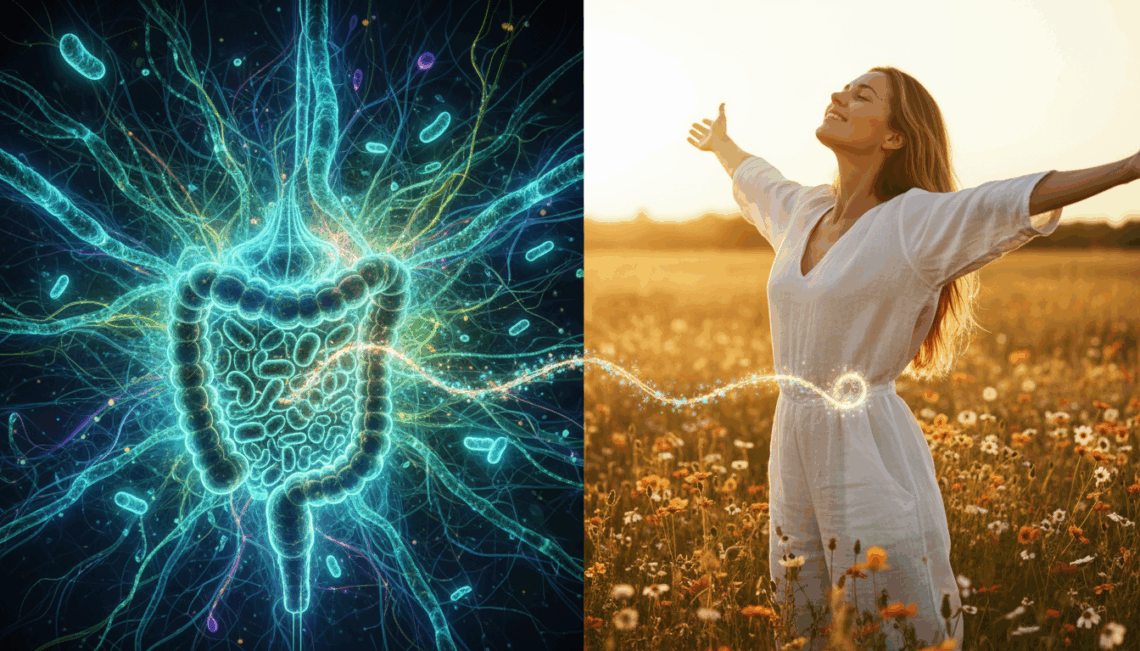
Your digestive system is home to trillions of microorganisms, collectively known as the gut microbiome. This complex ecosystem does more than just digest food; it influences everything from your immune system and mood to, crucially, your metabolism and body weight. When this internal ecosystem is out of balance, it can silently sabotage your best weight loss efforts. This article will explore that unseen link, helping you understand how nurturing your gut could be the key to finally achieving your goals.
What Exactly Is the Gut Microbiome?
Think of your gut microbiome as a bustling city of bacteria, fungi, and other microbes living in your intestines. In a healthy gut, there’s a harmonious balance between beneficial (“good”) bacteria and potentially harmful (“bad”) bacteria. These good bacteria are workhorses; they help break down food components your body can’t digest on its own (like certain fibers), produce essential vitamins like K and B vitamins, and protect the lining of your intestines, acting as a gatekeeper between your digestive system and the rest of your body.
However, factors like a poor diet high in processed foods and sugar, chronic stress, poor sleep, and the use of antibiotics can disrupt this delicate balance. This disruption, known as dysbiosis, allows harmful bacteria to thrive, leading to a cascade of issues that can impact your overall health and, significantly, your weight.
The Gut-Weight Axis: How Gut Health and Weight Loss Are Connected
The idea that tiny microbes could influence your body weight might seem far-fetched, but the scientific evidence is compelling. The connection, often called the “gut-weight axis,” operates through several key mechanisms:
- Metabolism and Energy Harvest: Different types of gut bacteria extract energy from food differently. An unhealthy balance of gut microbes may lead to more calories being extracted from the food you eat and stored as fat.
- Inflammation: An unhealthy gut lining, often referred to as “leaky gut,” can allow toxins produced by bad bacteria to enter the bloodstream. This triggers a low-grade, chronic inflammatory response throughout the body. Chronic inflammation is strongly linked to obesity and insulin resistance, a condition that makes weight loss incredibly difficult.
- Appetite Regulation: Your gut bacteria play a role in producing and regulating hormones that control hunger and satiety, such as ghrelin (the “hunger hormone”) and leptin (the “fullness hormone”). When your microbiome is out of sync, these signals can become skewed, leading to increased cravings and overeating.
Signs Your Gut Might Be Sabotaging Your Weight Efforts
Your body often sends signals when your gut health is compromised. While you might dismiss them as minor annoyances, they could be important clues pointing to an underlying imbalance that’s affecting your ability to lose weight. Here are some common signs:
- Chronic Bloating and Gas: Frequent bloating, especially after meals, is a classic sign that your digestive system is struggling to process food properly, often due to an imbalance of gut bacteria.
- Unexplained Weight Gain: If you’re gaining weight or unable to lose it despite maintaining a healthy lifestyle, your gut microbiome could be a contributing factor.
- Intense Sugar Cravings: Harmful gut bacteria feed on sugar. An overgrowth of these microbes can lead to powerful cravings for sugary and processed foods, creating a vicious cycle.
- Constant Fatigue: An unhealthy gut struggles to produce essential vitamins and can trigger inflammation, both of which can leave you feeling drained and lethargic, no matter how much you sleep.
- Skin Issues: Conditions like acne, eczema, or rashes can sometimes be external manifestations of internal gut inflammation.
If these symptoms resonate with you, it might be time to shift your focus from simply counting calories to actively healing and supporting your gut. Addressing the root cause can make all the difference in your journey.
How to Improve Gut Health for Sustainable Weight Management
Improving your gut health is not about a quick fix; it’s about adopting sustainable habits that foster a healthy microbial environment. The good news is that your microbiome can begin to change for the better in a matter of days with the right approach.
1. Focus on a Fiber-Rich Diet
Prebiotics are a type of dietary fiber that your body cannot digest. Instead, they serve as food for the beneficial bacteria in your gut. Incorporating prebiotic-rich foods like garlic, onions, bananas, asparagus, and whole grains can help your good microbes flourish.
2. Incorporate Probiotic Foods
Probiotics are live beneficial bacteria found in fermented foods. Eating foods like yogurt (with live cultures), kefir, sauerkraut, and kimchi can help introduce more of these helpful microbes into your system.
3. Understand the Power of Postbiotics
While prebiotics are the food and probiotics are the live bacteria, postbiotics are the beneficial compounds that the bacteria produce when they digest fiber. These compounds, such as butyrate, are incredibly important. Butyrate is the primary fuel source for the cells that line your colon, helping to maintain a strong and healthy gut barrier. A strong gut barrier is essential for preventing inflammation and supporting the connection between gut health and weight loss. Getting enough postbiotics directly can be a powerful strategy for gut health.
A Targeted Approach to Gut Restoration
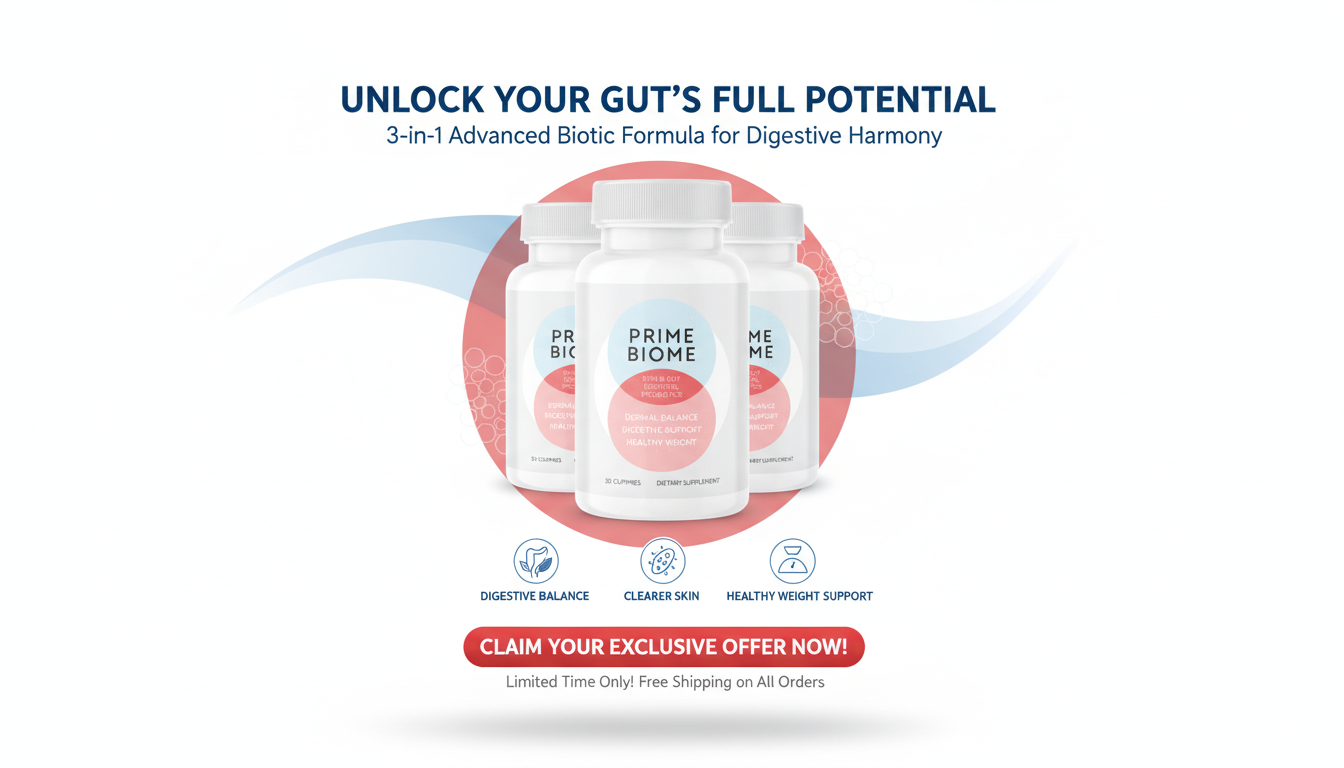
For those looking for a more direct way to support their gut lining and benefit from postbiotics, targeted supplements can play a crucial role. While diet is foundational, some compounds are difficult to obtain in sufficient quantities from food alone. This is where a product like PrimeBiome comes in. It’s specifically formulated with key ingredients designed to address the issues discussed.
PrimeBiome’s formula includes Tributyrin, a highly effective form of the postbiotic butyrate, which directly nourishes the gut lining. By providing this crucial fuel, it helps strengthen the gut barrier, reduce inflammation, and create an environment where beneficial bacteria can thrive. This targeted action supports the very foundation of the gut-weight axis, offering a modern solution built on the latest science of the microbiome.
Your Path Forward: A Healthy Gut for a Healthy You
The journey to sustainable weight loss is often more complex than just “eat less, move more.” The evidence is clear: the health of your gut microbiome is a critical, often overlooked, piece of the puzzle. By understanding the link between gut health and weight loss, you can shift your focus from battling your body to working with it. By addressing issues like bloating, cravings, and fatigue at their source, you’re not just chasing a number on a scale; you’re building a foundation for lasting health and vitality.
Begin by incorporating gut-friendly foods into your diet, managing stress, and prioritizing sleep. And if you feel you need a more targeted boost, consider how a postbiotic supplement like PrimeBiome can help restore the very fabric of your digestive well-being, paving the way for a more effective and less frustrating weight loss journey. Always remember to consult with a healthcare professional before starting any new supplement regimen.
Frequently Asked Questions (FAQ)
Can I improve my gut health without supplements?
Absolutely. The foundation of good gut health is always diet and lifestyle. Eating a diverse range of whole foods rich in fiber, managing stress, getting adequate sleep, and staying hydrated are the most important steps you can take. Supplements should be seen as a tool to support these foundational efforts, not replace them.
How long does it take to see changes in my gut health?
The microbial composition of your gut can start to change within just a few days of making significant dietary changes. However, for more profound and lasting improvements in symptoms and overall health, it typically takes several weeks to months of consistent effort. Be patient and focus on long-term habits.
Are all fermented foods good sources of probiotics?
Not always. Some commercial products, like sourdough bread or certain pickles, are processed with heat after fermentation, which kills the live bacteria. To ensure you’re getting a true probiotic benefit, look for labels that state “live and active cultures” on products like yogurt and kefir, or choose unpasteurized versions of foods like sauerkraut.