Unlocking Weight Loss: The Hidden Link Between Gut Health and Stubborn Fat
You’re doing everything right. You’ve cleaned up your diet, you’re exercising consistently, and you’re drinking plenty of water. Yet, the scale refuses to budge. You feel bloated, your cravings are out of control, and a frustrating thought echoes in your mind: Why can’t I lose weight no matter what I do? If this sounds familiar, you’re not alone, and you’re not imagining things. The answer might not be in another diet or a more intense workout, but in a place you might not expect: your gut.
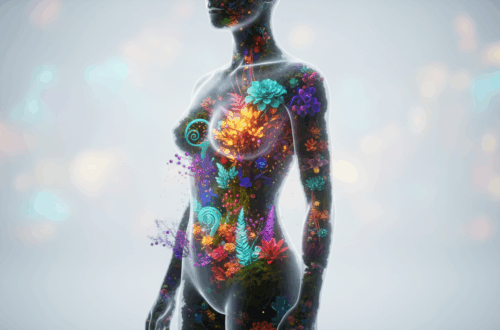
An entire ecosystem of trillions of microorganisms lives within your digestive tract, collectively known as the gut microbiome. Modern science is just beginning to uncover the profound impact this ecosystem has on everything from our mood and immune system to, crucially, our body weight. This intricate community of bacteria, fungi, and other microbes can either be your greatest ally in achieving your health goals or your biggest obstacle.
What Exactly Is the Gut Microbiome?
Think of your gut as a bustling city populated by trillions of residents (microbes). In a healthy city, there’s a harmonious balance. The “good” bacteria (probiotics) work diligently to help digest food, produce essential vitamins, and protect you from pathogens. They are the essential workers that keep the city running smoothly.
However, factors like a poor diet high in processed foods, stress, lack of sleep, and even certain medications can disrupt this balance. This allows “bad” bacteria to multiply, leading to a state of imbalance called dysbiosis. It’s like a city where troublemakers have taken over, causing chaos, inflammation, and dysfunction. This internal chaos is often where weight loss struggles begin.
The Gut-Weight Axis: How Gut Bacteria Directly Influence Your Body
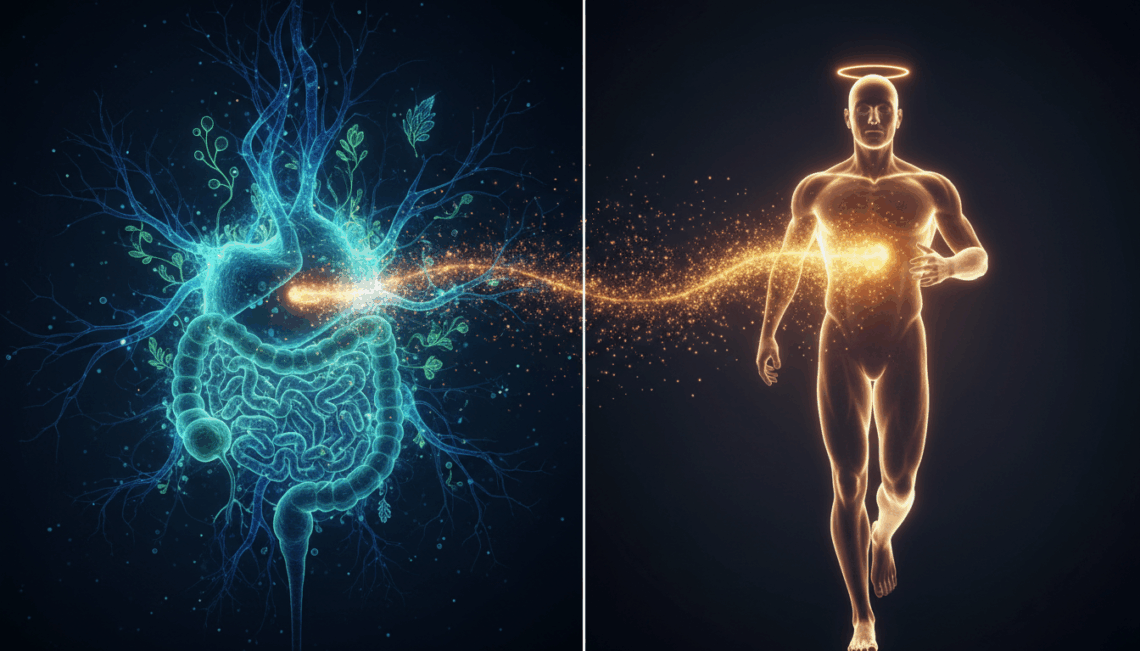
The connection between gut health and weight loss isn’t just a vague theory; it’s a complex biological mechanism that scientists call the “gut-weight axis.” An imbalanced microbiome can sabotage your efforts in several key ways.
1. Hijacking Your Cravings and Appetite
Have you ever had intense, inexplicable cravings for sugary or high-fat foods? It might be your gut bacteria talking. Certain types of “bad” bacteria thrive on sugar and refined carbohydrates. To ensure their own survival, they can send signals to your brain that increase your cravings for these very foods, creating a vicious cycle. They manipulate your appetite, making it incredibly difficult to stick to a healthy eating plan.
2. Controlling Metabolism and Fat Storage
Your gut microbiome plays a direct role in how your body extracts energy from food. Healthy gut flora helps efficiently extract nutrients from what you eat. However, an imbalanced gut can lead to increased calorie extraction from food, meaning you absorb more calories from the exact same meal than someone with a healthier gut. Furthermore, dysbiosis can trigger signals that tell your body to store more fat, particularly stubborn belly fat.
3. Driving Inflammation and Digestive Distress
An unhealthy gut is often an inflamed one. Chronic low-grade inflammation, driven by bad bacteria, is a major contributor to metabolic dysfunction and insulin resistance—both of which are precursors to weight gain and type 2 diabetes. This inflammation also manifests as uncomfortable bloating, gas, and irregular bowel movements, making you feel sluggish and discouraged.

Is Your Gut Sabotaging Your Weight Loss Efforts?
If you’re struggling with stubborn weight, it’s time to look beyond calories and exercise and consider your gut health. Ask yourself if you experience any of these common signs of an imbalanced microbiome:
- Persistent Bloating and Gas: Feeling puffy and uncomfortable after meals is a classic sign that your digestion is not optimal.
- Uncontrollable Cravings: Especially for sugar, simple carbs, and processed foods.
- Fatigue and Low Energy: Your gut produces many B vitamins, which are crucial for energy production. A struggling gut can lead to persistent tiredness.
- Skin Issues: Conditions like acne, eczema, or rosacea can often be linked to gut inflammation.
- Mood Swings and Brain Fog: The gut-brain axis is powerful. An unhealthy gut can negatively impact your mental clarity and emotional stability.
If several of these points resonate with you, it’s a strong indicator that focusing on your gut health could be the breakthrough you’ve been searching for.
A Practical Guide to Restoring Gut Health Naturally
The good news is that you have the power to change your gut microbiome. It’s a dynamic ecosystem that responds to your diet and lifestyle choices. While it’s always best to consult a healthcare professional before making significant changes, here are some foundational strategies to begin nurturing a healthier gut.
1. Prioritize Fiber-Rich and Fermented Foods
Fiber is prebiotic, meaning it’s the food that your good bacteria love to eat. Load up on vegetables, fruits, legumes, and whole grains. Fermented foods are probiotic, meaning they contain live beneficial bacteria. Incorporate foods like yogurt (with live cultures), kefir, sauerkraut, and kimchi into your diet to directly add good microbes to your system.
2. Starve the Bad Bacteria
Just as you feed the good guys, you need to stop feeding the bad ones. This means significantly reducing your intake of processed sugar, artificial sweeteners, and highly refined carbohydrates. These foods fuel the harmful bacteria that drive cravings and inflammation.
3. Focus on Hydration and Stress Management
Water is essential for maintaining the mucosal lining of your intestines and promoting the balance of good bacteria. Chronic stress can also wreak havoc on your gut. Practices like meditation, deep breathing, or even a simple walk in nature can have a positive impact on your microbial health.
The Role of Targeted Probiotic Supplementation
While diet and lifestyle are paramount, sometimes your gut needs a more targeted intervention to restore balance, especially after years of disruption. This is where a high-quality probiotic supplement can be a game-changer.
However, not all probiotics are created equal. It’s essential to look for a supplement that contains specific, clinically-researched strains of bacteria known to support weight management and digestive health. Strains from the Lactobacillus and Bifidobacterium families, for example, have been extensively studied for their benefits in reducing cravings, supporting metabolism, and improving overall gut function.
A thoughtfully formulated supplement acts as a precision tool, delivering a concentrated dose of the beneficial microbes needed to help re-establish a healthy, balanced ecosystem. It can provide the reinforcement your gut needs to finally overcome the hurdles that have been holding your weight loss journey hostage.
In conclusion, if you feel like you’re fighting a losing battle with your weight, it’s time to change the battlefield. Shift your focus from simply eating less to nurturing the powerful ecosystem within you. By understanding the profound connection between gut health and weight loss, you can finally address the root cause of your struggles. A balanced gut doesn’t just lead to a number on a scale; it leads to better energy, clearer skin, a happier mood, and a feeling of total-body wellness. Your journey to a healthier you truly starts from within.