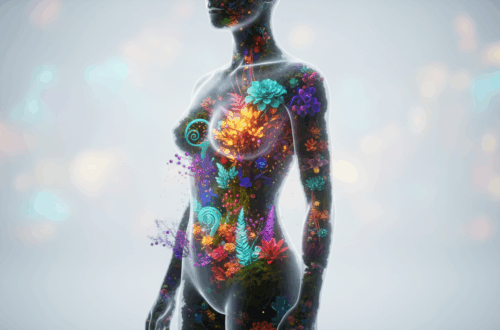

The Gut-Skin Axis: Clear Skin Starts Within
You’ve tried it all. The expensive creams, the targeted serums, the multi-step topical routines. Yet, you still struggle with persistent blemishes, frustrating redness, or skin that just won’t cooperate. If you’re feeling defeated in your quest for clear, healthy skin, it might be time to look deeper—not at your skin, but within your gut. The answer might lie in the complex relationship between leaky gut and skin problems, a connection science refers to as the gut-skin axis.
This intricate communication network between your digestive system and your largest organ, the skin, is a game-changer for understanding chronic skin issues. It suggests that what happens in your gut doesn’t stay in your gut; it can show up directly on your face and body. By addressing the root cause internally, you can finally achieve the lasting, radiant skin health you’ve been working so hard for.
What Exactly Is the Gut-Skin Axis?
The gut-skin axis is the bidirectional pathway that links your gut health with your skin health. Think of it as a constant conversation between the trillions of microbes living in your digestive tract (your gut microbiome) and your skin. When your gut is healthy and balanced, this conversation is harmonious, leading to a strong skin barrier and a clear complexion.
However, when the gut environment is disrupted, this conversation can turn into a distress signal. An imbalance in gut bacteria, known as dysbiosis, or damage to the gut lining can trigger inflammation and immune responses that travel throughout the body, ultimately manifesting as skin conditions like acne, eczema, rosacea, and even premature aging.
Understanding Leaky Gut: The Root of Many Skin Woes
One of the most significant disruptors of the gut-skin axis is a condition known as increased intestinal permeability, or “leaky gut.” Your intestinal lining is a remarkable barrier, made up of a single layer of cells held together by tight junctions. Its job is to allow nutrients to pass into your bloodstream while keeping out toxins, undigested food particles, and harmful bacteria.
In a leaky gut, these tight junctions become loose. This allows unwanted substances to “leak” from your intestines into your bloodstream. When this happens, your immune system flags these foreign invaders and launches an inflammatory attack. This chronic, low-grade inflammation is a primary driver behind many chronic diseases, including persistent skin disorders.
How Leaky Gut Triggers Skin Problems
The connection between a leaky gut and skin problems isn’t just a theory; it’s a physiological reality. When inflammatory molecules and toxins enter the bloodstream, they circulate throughout the body and can accumulate in the small blood vessels of the skin. This process can disrupt the skin’s natural balance and barrier function in several ways:
- Systemic Inflammation: The inflammation that starts in the gut becomes body-wide. For the skin, this can mean redness, swelling, and sensitivity, conditions that are hallmarks of acne and rosacea.
- Oxidative Stress: A leaky gut contributes to increased oxidative stress, where harmful free radicals outnumber antioxidants. This damages skin cells, degrades collagen, and can accelerate the signs of aging like fine lines and wrinkles.
- Immune System Overdrive: The body’s attempt to fight the “leaked” particles can put the immune system on high alert. This can exacerbate immune-related skin conditions like eczema and psoriasis.

The Telltale Signs: Connecting Your Symptoms to Gut Health
How do you know if your skin issues are tied to your gut? While it’s essential to consult a healthcare professional for a proper diagnosis, here are some common patterns that suggest a connection:
- Persistent Acne: Especially cystic or inflammatory acne that doesn’t respond well to topical treatments. Studies have shown a high correlation between acne sufferers and gut dysbiosis.
- Rosacea Flare-Ups: This condition, characterized by facial redness and flushing, is strongly linked to gut inflammation and an overgrowth of certain gut bacteria.
- Eczema and Psoriasis: These autoimmune conditions often have roots in a compromised immune system, which is heavily influenced by the health of your gut lining.
- Premature Aging: If you notice your skin looking dull, losing elasticity, or developing fine lines faster than you’d expect, systemic inflammation from a leaky gut could be a contributing factor.
How to Heal Your Gut for Healthier Skin
The good news is that you have the power to improve your gut health and, in turn, transform your skin. The journey begins with mindful choices about what you eat and how you live. The goal is to reduce inflammation, support a diverse microbiome, and help repair the intestinal lining.
Foods That Support a Healthy Gut
Your diet is the single most powerful tool for shaping your gut microbiome. Focus on incorporating whole, nutrient-dense foods:
- Fiber-Rich Vegetables and Fruits: These are prebiotics, meaning they feed your beneficial gut bacteria. Think leafy greens, broccoli, berries, and apples.
- Fermented Foods: Kimchi, sauerkraut, kefir, and yogurt are rich in probiotics, the live beneficial bacteria that help balance your microbiome.
- Collagen and L-Glutamine: Found in bone broth and certain supplements, these compounds are known to help repair and maintain the integrity of the gut lining.
- Healthy Fats: Omega-3 fatty acids found in fatty fish, chia seeds, and walnuts are powerfully anti-inflammatory.
Lifestyle Changes for a Happy Microbiome
Beyond diet, other lifestyle factors play a crucial role:
- Manage Stress: Chronic stress can wreak havoc on your gut health. Incorporate practices like meditation, yoga, or even simple deep breathing exercises into your daily routine.
- Prioritize Sleep: Aim for 7-9 hours of quality sleep per night. Sleep is when your body, including your gut lining, does most of its repair work.
- Move Your Body: Regular, moderate exercise has been shown to improve gut bacteria diversity and reduce inflammation.
Supporting Your Journey: The Role of Targeted Supplements
While diet and lifestyle are foundational, healing a compromised gut can sometimes require additional support. This is where targeted supplementation can be incredibly beneficial. Addressing leaky gut and skin problems often requires a strategic combination of ingredients designed to soothe the intestinal lining, support a healthy microbiome, and reduce inflammation.
Formulations created specifically for the gut-skin axis can provide a concentrated dose of the key nutrients needed for repair. A supplement like PrimeBiome, for example, is designed with this connection in mind. It combines soothing herbs like Slippery Elm Bark and Okra with prebiotics like Pectin and a blend of potent probiotics. This synergistic approach helps fortify the gut barrier and rebalance the microbiome, addressing the root causes of skin distress from the inside out. For many, this can be the missing piece of the puzzle that lifestyle changes alone can’t fully solve.
In conclusion, the path to clear, glowing skin may not start in your bathroom cabinet, but in your kitchen and with your daily habits. By understanding and nurturing the gut-skin axis, you can move beyond temporarily managing symptoms and begin to build a foundation of true, lasting skin health from within. It’s an empowering approach that honors the intricate connection between your internal wellness and your external radiance.
Frequently Asked Questions (FAQ)
How long does it take to see skin improvements after healing the gut?
This can vary greatly from person to person. Some may notice changes in a few weeks, while for others, it might take a few months of consistent effort. The key is patience and consistency with your diet, lifestyle, and any supportive supplements.
Can I just take probiotics instead of changing my diet?
While probiotics are beneficial, they work best as part of a holistic approach. A healthy diet provides the prebiotics (food) that the good bacteria need to thrive. Think of it as planting a garden—probiotics are the seeds, and a healthy diet is the fertile soil.
Is this approach safe?
Focusing on a whole-foods diet, managing stress, and improving sleep are universally safe and healthy practices. When considering supplements, it is always best to consult with a healthcare professional, especially if you have pre-existing health conditions or are taking other medications, to ensure they are right for you.