If you feel like you’re fighting a losing battle with your skin, you are not alone. You’ve tried every cream, serum, and topical treatment available, yet the breakouts, redness, and irritation persist. It’s a frustrating cycle that can leave you feeling hopeless. But what if the root of the problem isn’t on your skin at all? What if it’s deeper inside? This is where understanding the critical connection between gut health and skin problems becomes a game-changer.
What is the Gut-Skin Axis?
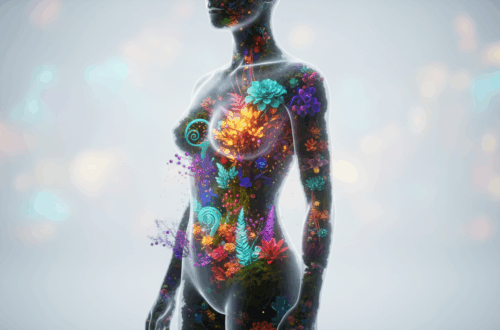
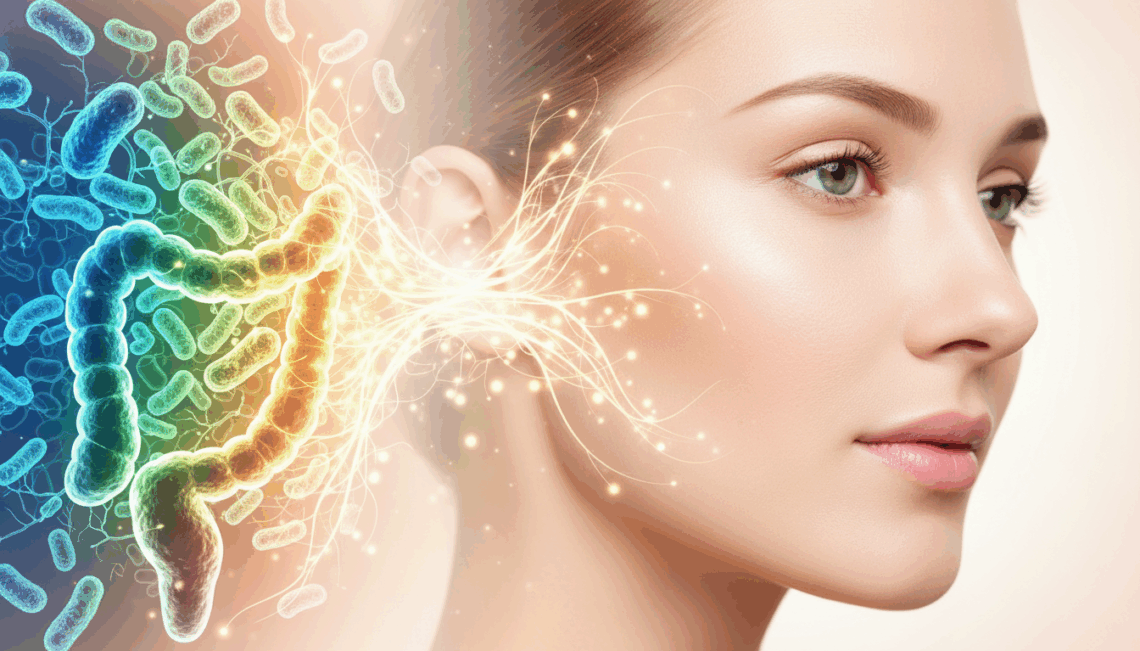
The gut-skin axis is a term scientists use to describe the proven, two-way communication pathway between your digestive system and your skin. Think of it as a constant conversation. When your gut is happy and balanced, it sends calming, anti-inflammatory signals to your skin, resulting in a clear, glowing complexion. However, when your gut is out of balance, it sends distress signals that can manifest as a wide range of skin issues.
Your gut is home to trillions of microorganisms, including bacteria, fungi, and viruses, collectively known as the gut microbiome. A healthy, diverse microbiome is essential for proper digestion, immune function, and even mood regulation. When this delicate ecosystem is disrupted—a condition known as dysbiosis—it can trigger a cascade of problems that show up directly on your face and body.
How an Unhealthy Gut Impacts Your Skin
When the gut microbiome is imbalanced, the lining of your intestines can become more permeable. This is often referred to as “leaky gut.” This condition allows undigested food particles, toxins, and inflammatory bacteria to “leak” into your bloodstream. Your immune system identifies these as foreign invaders and mounts an inflammatory response. This systemic inflammation is a primary driver of many chronic skin conditions.
The Link to Acne and Breakouts
Persistent acne is one of the most common signs of an underlying gut issue. Studies suggest that people with acne often have a less diverse gut microbiome compared to those with clear skin. The inflammation triggered by a leaky gut can lead to an overproduction of sebum (skin oil), which clogs pores and creates the perfect environment for acne-causing bacteria to thrive. This explains why topical treatments alone often fail to provide lasting relief—they don’t address the internal inflammatory source.
Eczema, Rosacea, and Inflammation
Conditions like eczema and rosacea are fundamentally inflammatory skin disorders. The connection to gut health and skin problems here is incredibly strong. An imbalanced gut can impair the skin’s natural barrier function, making it more susceptible to environmental irritants and moisture loss. The systemic inflammation from the gut directly fuels the redness, itching, and discomfort associated with these conditions, creating a cycle that is difficult to break without addressing digestive health.
Premature Aging and Gut Health
Did you know that your gut health can also influence how your skin ages? Chronic, low-grade inflammation from an unhealthy gut can accelerate the breakdown of collagen and elastin—the proteins that keep your skin firm and youthful. This process, known as “inflammaging,” can lead to premature wrinkles, fine lines, and a loss of skin elasticity. Nurturing your gut is a powerful, yet often overlooked, anti-aging strategy.

How to Improve Your Gut Health for Better Skin
The good news is that you have the power to positively influence your gut microbiome and, in turn, your skin. The journey to a healthier complexion begins with focusing on your digestive wellness. This involves a holistic approach that includes diet, lifestyle, and potentially, targeted supplementation.
The Role of Probiotics, Prebiotics, and Postbiotics
You’ve likely heard of probiotics and prebiotics, but understanding their distinct roles—and the role of a lesser-known component, postbiotics—is key.
- Probiotics: These are the “good” live bacteria found in fermented foods like yogurt, kefir, and kimchi. They help replenish and maintain a healthy balance in your gut microbiome.
- Prebiotics: These are types of dietary fiber that act as food for your good gut bacteria. Foods rich in prebiotics include garlic, onions, bananas, and whole grains. They help your beneficial microbes thrive.
- Postbiotics: This is the crucial next step. Postbiotics are the beneficial compounds produced by probiotics when they consume prebiotics. These substances include short-chain fatty acids (like butyrate), enzymes, and other metabolites that directly help strengthen the gut lining, reduce inflammation, and support a healthy immune response. They are, in essence, the “active” output of a healthy gut.
Focusing on postbiotics offers a more direct way to deliver the benefits of a healthy microbiome to your system, supporting the gut barrier and helping to calm the inflammatory signals that affect the skin.
Diet and Lifestyle Changes
Simple changes can make a significant difference. Aim to eat a diverse, fiber-rich diet full of fruits, vegetables, and whole grains. Reduce your intake of processed foods, sugar, and unhealthy fats, which can feed harmful bacteria. Managing stress through practices like meditation or yoga is also vital, as the stress hormone cortisol can negatively impact your gut lining. Prioritizing sleep and regular exercise further supports a healthy and resilient microbiome.
A Targeted Approach to the Gut-Skin Axis
While diet and lifestyle are foundational, sometimes your body needs extra support to restore balance, especially if you’ve been struggling for a while. This is where a targeted supplement designed specifically for the gut-skin axis can be beneficial. Instead of just adding more bacteria (probiotics), a formula that provides postbiotics can deliver the direct, calming compounds your gut needs to begin healing and strengthening its lining.
Formulations like PrimeBiome are engineered with this in mind. By focusing on postbiotic ingredients, it aims to provide the end-product of a healthy gut, helping to reduce systemic inflammation and support the skin barrier from the inside out. This approach directly addresses the core issues discussed—leaky gut and inflammation—offering a sophisticated solution for those seeking to resolve their gut health and skin problems.
In conclusion, the path to clear, radiant skin may not be in your medicine cabinet but in your kitchen and your daily habits. By shifting your focus from the surface to the source and nurturing your internal ecosystem, you can finally address the root cause of your skin concerns. Understanding and supporting the gut-skin axis is the ultimate strategy for achieving lasting skin health and feeling confident in your own skin again.
Frequently Asked Questions
How long does it take to see skin improvements after improving gut health?
There is no one-size-fits-all answer, as everyone’s body is different. Some people may notice initial improvements in digestion and skin calmness within a few weeks, while for others, it may take two to three months of consistent effort to see significant changes. Patience and consistency are key.
Can I just take a probiotic supplement?
While probiotics can be beneficial, they are only one part of the puzzle. A comprehensive approach that includes a fiber-rich diet (prebiotics) and potentially a postbiotic supplement can be more effective, as it ensures the good bacteria have food to thrive and delivers the direct anti-inflammatory compounds your gut lining needs.
Is this approach suitable for all skin types?
Supporting your gut health is beneficial for overall wellness, which naturally extends to all skin types. Whether you have oily, dry, combination, or sensitive skin, reducing internal inflammation and strengthening your skin’s barrier function from within is a universally positive step.
Disclaimer: The information in this article is for educational purposes only and is not intended as medical advice. Always consult with a qualified healthcare professional before starting any new supplement or making significant changes to your diet or health regimen.