
Understanding and Tackling Stubborn Body Fat
It’s one of the most common frustrations in any health and wellness journey: you’re eating well, you’re exercising, and you’re seeing progress, but there are certain areas where the fat just refuses to budge. Whether it’s on the belly, thighs, or arms, this stubborn body fat can feel like a final, unbeatable boss. If you’ve ever wondered how to lose stubborn body fat, you’re not alone. This isn’t just about willpower; it’s about biology. This article will explore the science behind why some fat is so persistent and outline a multi-faceted strategy to address it effectively.
What Exactly Is Stubborn Body Fat?
To effectively combat stubborn fat, we first need to understand what it is. On a physiological level, not all fat cells are created equal. Your body has two main types of adrenergic receptors in fat cells: alpha-2 and beta-2 receptors. Think of beta-2 receptors as “green lights” for fat burning—they readily respond to fat-mobilizing hormones like adrenaline and noradrenaline, releasing stored fat to be used as energy. In contrast, alpha-2 receptors are the “red lights.” They actively resist fat mobilization, telling the cell to hold onto its fat stores.
You guessed it: areas with stubborn fat, like the lower abdomen and hips, have a much higher concentration of alpha-2 receptors compared to beta-2 receptors. This makes it incredibly difficult to burn fat from these regions, as they are biochemically programmed to resist the process. Furthermore, these areas often have reduced blood flow, making it even harder for fat-mobilizing hormones to reach them in the first place.
Why Spot Reduction Through Exercise Is a Myth
For decades, people have tried to crunch, curl, and lift their way to a flatter stomach or slimmer thighs, believing that working a specific muscle will burn the fat covering it. This concept is known as “spot reduction.” Unfortunately, it’s a myth. When you exercise, your body draws energy from fat stores all over your body, not just from the area you’re working. Your genetics and hormonal profile largely determine where you lose fat first, and sadly, the stubborn areas are almost always the last to go.
While exercises like crunches can strengthen your abdominal muscles, they won’t do much to burn the layer of fat sitting on top of them. This is why a holistic approach is necessary—one that addresses the underlying biological reasons for stubborn fat.
Key Factors That Influence Stubborn Fat
Several interconnected factors contribute to the persistence of stubborn fat deposits. Understanding them is key to developing an effective strategy.
Hormonal Balance is Crucial
Hormones are powerful chemical messengers that play a significant role in fat storage. Cortisol, the “stress hormone,” is strongly linked to increased fat storage in the abdominal area. Chronic stress leads to elevated cortisol levels, signaling your body to store fat in that region. Similarly, insulin resistance can impair your body’s ability to burn fat effectively. For women, fluctuations in estrogen can also influence where fat is stored, often around the hips and thighs.
The Role of Genetics and Blood Flow
Your genetic makeup is a primary determinant of your body shape and where you tend to store fat. If your parents stored fat in their lower body, there’s a higher chance you will too. Compounding this is the issue of blood flow. As mentioned earlier, stubborn fat areas are characterized by poor circulation. Without adequate blood flow, it’s challenging for the body to transport the necessary components to break down and carry away fat from those cells.

Effective Strategies for Overall Fat Reduction
While you can’t spot-reduce fat, you can lower your overall body fat percentage, which will eventually lead to a reduction in those stubborn areas. This requires a consistent and intelligent approach to diet, exercise, and lifestyle.
Optimize Your Nutrition
Your diet is the foundation of fat loss. Focus on creating a sustainable, moderate calorie deficit primarily through whole, unprocessed foods. Prioritize lean protein, which helps with satiety and muscle preservation, and high-fiber vegetables, which support digestive health and stable blood sugar levels. Healthy fats from sources like avocados, nuts, and olive oil are also essential for hormonal function. Avoid crash diets, as they can elevate cortisol levels and lead to muscle loss, ultimately making it harder to lose stubborn fat.
Incorporate Smart and Consistent Exercise
A well-rounded fitness routine is critical. High-Intensity Interval Training (HIIT) is particularly effective for overall fat loss, as it boosts your metabolism for hours after the workout is over. Strength training is equally important. Building lean muscle mass increases your resting metabolic rate, meaning you burn more calories throughout the day, even at rest. A combination of both is the ideal formula for tackling overall body fat.
Prioritize Sleep and Stress Management
Never underestimate the power of recovery. Lack of sleep and chronic stress are two of the biggest enemies of fat loss. Poor sleep disrupts the hormones that regulate appetite (ghrelin and leptin) and increases cortisol. Aim for 7-9 hours of quality sleep per night. To manage stress, incorporate practices like meditation, deep breathing exercises, yoga, or simply spending time in nature. Reducing cortisol is a direct strategy against stubborn belly fat.
The Emerging Role of Topical Support
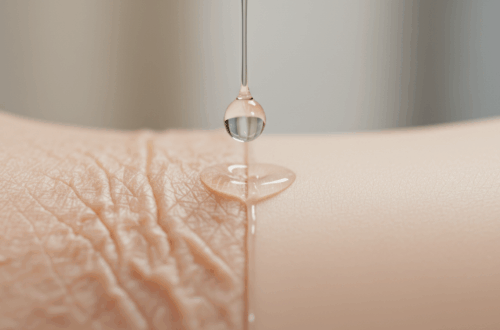
With the understanding that stubborn fat is linked to poor blood flow and resistant receptors, science has begun exploring new avenues for support. One of the most innovative areas is the development of advanced topical formulations. These are not magic potions, but rather scientifically designed serums that aim to address the problem at a local level.
High-quality topical serums often contain ingredients that can be absorbed through the skin to support local circulation and cellular processes. For instance, certain compounds are designed to help improve blood flow to the application area, which may assist in getting fat-mobilizing hormones to those hard-to-reach fat cells. Others work by supporting mitochondrial function and thermogenesis on a cellular level, encouraging the fat cells to release their stored energy.
It’s important to view these products as a supportive tool, not a replacement for a healthy lifestyle. When combined with proper nutrition and exercise, a well-formulated topical serum can be a powerful ally, providing targeted support to those frustrating areas that are the last to respond to traditional methods.
Conclusion: A Comprehensive and Patient Approach
Losing stubborn body fat is a marathon, not a sprint. It requires a deep understanding of your own body and a commitment to a holistic lifestyle that includes a balanced diet, smart exercise, stress management, and adequate sleep. There are no shortcuts, but by addressing the root causes—hormonal balance, overall body fat percentage, and local circulation—you can create an environment where your body is finally able to let go of those persistent fat stores. For those looking for an extra edge, exploring scientifically backed topical solutions can provide targeted support to complement your efforts and help you win the long-fought battle against stubborn fat.
Frequently Asked Questions
Can you truly target fat loss in one specific area?
No, you cannot spot-reduce fat through exercise. Fat loss occurs systemically across the entire body. However, you can use strategies like improving overall diet, exercise, and potentially using topical formulations to support fat mobilization in areas that are biologically resistant.
How long does it take to see results with stubborn fat?
This varies greatly from person to person and depends on genetics, starting body fat percentage, and consistency with your lifestyle changes. Stubborn fat is the last to go by definition, so patience and persistence are crucial. It can take several months of dedicated effort to see significant changes.
Are topical fat-loss serums safe?
When purchased from reputable brands, these serums are generally formulated for cosmetic use and are safe for most people. However, it is always recommended to perform a patch test on a small area of skin first to check for any irritation. As with any health product, if you have pre-existing skin conditions or health concerns, it is best to consult with a dermatologist or healthcare professional before use.