Understanding and Reversing Crepey Skin
It’s a concern many people develop with age, yet it’s often misunderstood. We’re not talking about the occasional fine line or expression wrinkle, but rather that thin, finely wrinkled skin that resembles crepe paper. This is known as crepey skin, and seeing it on your face, neck, or arms can be frustrating. You might feel like your skin has lost its youthful bounce and firmness seemingly overnight. If you’re searching for answers on how to fix crepey skin, you’ve come to the right place. This guide will walk you through the causes, preventative measures, and effective strategies to help restore your skin’s smooth and firm appearance.
What Exactly Is Crepey Skin?
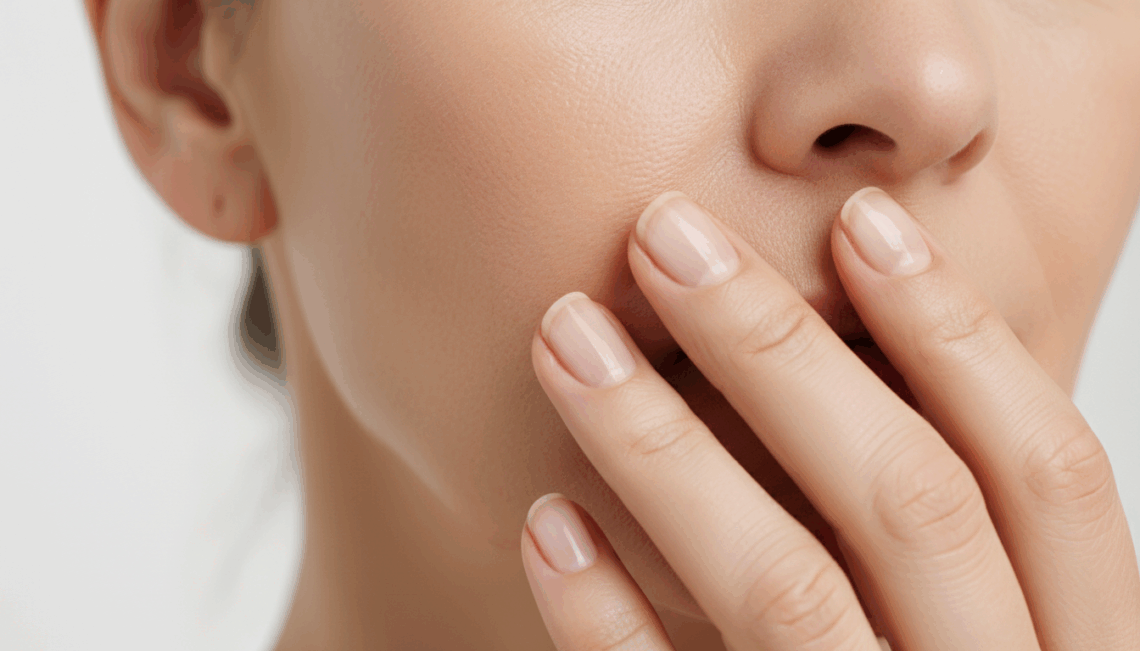
Unlike regular wrinkles, which are typically caused by repetitive muscle movements, crepey skin is a result of thinning, fragile skin that has lost its elasticity. It can appear in large patches and is characterized by a crinkly, paper-like texture. While it’s most common in areas that see a lot of sun exposure, like the face, neck, chest, and arms, it can appear anywhere on the body. The key difference is the texture; crepey skin feels noticeably less plump and resilient to the touch.
The Primary Causes of Crepey Skin
Understanding what causes this change is the first step toward addressing it. Several factors contribute to the development of crepey skin, with one primary culprit leading the charge.
Sun Damage
By far the biggest contributor to crepey skin is long-term sun exposure. Ultraviolet (UV) rays from the sun break down collagen and elastin, the essential proteins that keep your skin firm and flexible. Over time, this degradation causes the skin to thin and lose its ability to bounce back, leading to the classic crinkled texture.
Aging
The natural aging process also plays a significant role. As we get older, our bodies produce less collagen and elastin. Additionally, our skin produces fewer natural oils, which can lead to chronic dryness. This combination of factors makes the skin more fragile and susceptible to developing a crepey appearance.
Dehydration and Lifestyle
Lack of proper hydration can affect your skin’s health and appearance. When your skin is dehydrated, it can temporarily look more crepey. Similarly, significant and rapid weight loss can leave behind loose skin that may take on a crepey texture because it has been stretched and has lost some of its ability to retract.

Can Lifestyle Changes Help with Crepey Skin?
Absolutely. Before exploring intensive treatments, it’s crucial to adopt habits that support skin health from the inside out. A holistic approach can make a significant difference in both preventing further damage and improving your skin’s current condition.
Prioritize Sun Protection
Since sun damage is the leading cause, daily sun protection is non-negotiable. Use a broad-spectrum sunscreen with an SPF of 30 or higher on all exposed skin, every single day, regardless of the weather. This is the single most effective thing you can do to prevent crepey skin from worsening.
Focus on a Nutrient-Rich Diet
A balanced diet rich in antioxidants, vitamins, and healthy fats can support skin health. Foods high in Vitamin C (like citrus fruits and bell peppers) are crucial for collagen synthesis. Antioxidants found in berries and leafy greens help protect your skin from environmental damage. Healthy fats from sources like avocados and nuts help maintain your skin’s lipid barrier.
Stay Hydrated
Drinking plenty of water throughout the day helps keep your skin cells plump and functioning optimally. While it won’t single-handedly reverse significant damage, proper hydration is a foundational element of healthy, resilient skin.
Common Treatments for Crepey Skin: What Works?
When it comes to topical treatments, not all moisturizers are created equal. The solution for how to fix crepey skin often requires specific, active ingredients that go beyond simple hydration.
Over-the-Counter Retinoids
Retinoids, which are derivatives of Vitamin A, are renowned for their ability to promote skin cell turnover and stimulate collagen production. Consistent use of a retinol product can help improve skin texture and firmness over time. However, they can be irritating for some, so it’s best to start with a low concentration and introduce it slowly.
Exfoliants like AHAs
Alpha-hydroxy acids (AHAs) like glycolic acid and lactic acid help by dissolving the bonds that hold dead skin cells to the surface. This exfoliation reveals smoother, brighter skin underneath and can help other treatment products penetrate more effectively. Regular, gentle exfoliation can improve the appearance of fine lines and texture.
Deep Moisturization
While any moisturizer is better than none, for crepey skin, you need ingredients that provide intense, lasting hydration. Look for humectants like hyaluronic acid, which draws moisture into the skin, and emollients like ceramides or shea butter, which lock that moisture in and support the skin’s barrier.
A Targeted Approach: Beyond Surface-Level Moisturization
While the methods above are beneficial, they often fall short for moderate to severe crepey skin. Why? Because the problem lies deep within the skin’s structure. The breakdown of the dermal matrix—the network of collagen and elastin—is the true root of the issue. To make a visible difference, you need a solution that supports this foundational structure.
This is where specialized formulas come in. Many people find that even with a consistent routine of hydration and exfoliation, their skin’s thin, fragile texture persists. This suggests a need for a more powerful, targeted approach designed specifically for the unique challenge of crepey skin.
Introducing a Specialized Dermal Support Solution
For those seeking a non-invasive but potent option, certain advanced serums offer a compelling alternative. Formulations like Mitolyn are engineered with a specific goal: to provide dermal support and address the core reasons for thinning, crepey skin. Instead of just coating the surface, these products contain ingredients that aim to support the skin’s natural regeneration processes, promoting a firmer, more resilient appearance from within.
Key Ingredients to Look For in a Targeted Serum
When evaluating a product designed for crepey skin, the ingredient list is paramount. Look for a synergistic blend that addresses the issue from multiple angles:
- Peptides and Collagen Supporters: Ingredients like Senna Alata are included in advanced formulas for their role in protecting skin cells from photo-aging and supporting a healthy dermal matrix.
- Niacinamide (Vitamin B3): This powerhouse ingredient is a multi-tasker. It helps improve skin elasticity, strengthens the skin’s barrier function to reduce moisture loss, and can even help fade hyperpigmentation.
- Hyaluronic Acid: A critical component for hydration. It acts like a sponge, pulling in water to plump the skin from the inside out, which can dramatically reduce the crinkly appearance of crepey skin.
- Antioxidants like Vitamin C: Vital for protecting the skin from free radical damage and for its role in collagen synthesis. It helps defend the very collagen you’re trying to build.
A formula that combines these types of ingredients offers a comprehensive approach, working to hydrate, protect, and support the underlying structure of the skin.
Conclusion: A Proactive Path to Smoother Skin
Dealing with crepey skin can be disheartening, but it’s important to remember that you have options. The journey to smoother, firmer skin is a marathon, not a sprint. It begins with a foundational commitment to sun protection and a healthy lifestyle. From there, incorporating active ingredients like retinoids and AHAs can provide a significant boost. For those who feel they have hit a plateau and are looking for a more powerful, non-surgical solution, exploring a targeted dermal support serum can be a game-changing step. By understanding the root causes and choosing a solution designed to address them, you can regain control and restore a more youthful, resilient appearance to your skin.
Frequently Asked Questions (FAQ)
Can you ever completely get rid of crepey skin?
While it can be difficult to completely reverse, you can make significant improvements in its appearance. A consistent and targeted skincare routine, combined with sun protection, can restore firmness and smoothness to a noticeable degree. Results will vary based on the individual and the extent of the skin damage.
How long does it take to see results?
With topical treatments, patience is key. You may notice initial improvements in hydration and texture within a few weeks, but more significant changes related to collagen and elasticity can take 2-3 months of consistent, daily use.
Is professional treatment necessary?
For some, professional treatments like fillers, ultrasound (Ultherapy), or fractional laser treatments can offer more dramatic results. However, they are also more expensive and invasive. It’s often recommended to start with a dedicated at-home regimen before considering these options. Always consult with a board-certified dermatologist to discuss what’s best for your skin.