What Exactly Is “Stubborn Fat”?
Before diving into solutions, it’s crucial to understand what we’re up against. When people talk about stubborn fat, they’re almost always referring to subcutaneous fat. This is the jiggly fat that sits just beneath the skin, as opposed to visceral fat, which surrounds your organs and is metabolically active, often responding more quickly to diet and exercise.
Subcutaneous fat is notoriously difficult to lose in certain areas. For men, this is often the lower abdomen and love handles. For women, it’s commonly the hips, thighs, and lower belly. This isn’t a failure of willpower; it’s a matter of biology. These specific fat deposits have unique physiological properties that make them resistant to your best efforts.
The Science Behind Why Some Fat Resists Diet and Exercise
The core of the problem lies in the complex interplay of your body’s cellular biology and hormonal signaling. Understanding these factors is the first step toward creating an effective strategy.
The Role of Alpha-2 and Beta-2 Receptors
Think of your fat cells as having two types of “switches” or receptors that control fat release: Beta-2 (B2) receptors and Alpha-2 (A2) receptors.
- Beta-2 Receptors are like the green light for fat burning. When hormones like adrenaline bind to them, they trigger a cascade of events that releases stored fat into the bloodstream to be used for energy.
- Alpha-2 Receptors are the red light. They essentially block the fat-burning signals, telling the cell to hold onto its stored fat.
Here’s the catch: stubborn fat areas have a significantly higher concentration of A2 receptors compared to B2 receptors. This means that even when you’re in a caloric deficit and your body is trying to burn fat, these specific areas are getting a strong signal to stay put. It’s a biological defense mechanism that is incredibly frustrating when you’re trying to slim down.
Hormonal Influences: Cortisol and Insulin
Hormones are powerful messengers that dictate where and why your body stores fat. Two of the biggest players in the stubborn fat equation are cortisol and insulin.
Cortisol, the stress hormone, is designed to prepare your body for “fight or flight.” In the short term, this is helpful. But chronic stress from work, lack of sleep, or poor nutrition leads to persistently high cortisol levels. This signals your body to store fat, particularly in the abdominal region.
Insulin is released in response to rising blood sugar. Its job is to shuttle glucose into cells for energy. However, when you consistently consume high-sugar or processed foods, your cells can become resistant to insulin’s effects. This insulin resistance not only promotes fat storage but also makes it much harder for your body to burn the fat it already has.
The Impact of Aging: Cellular Senescence
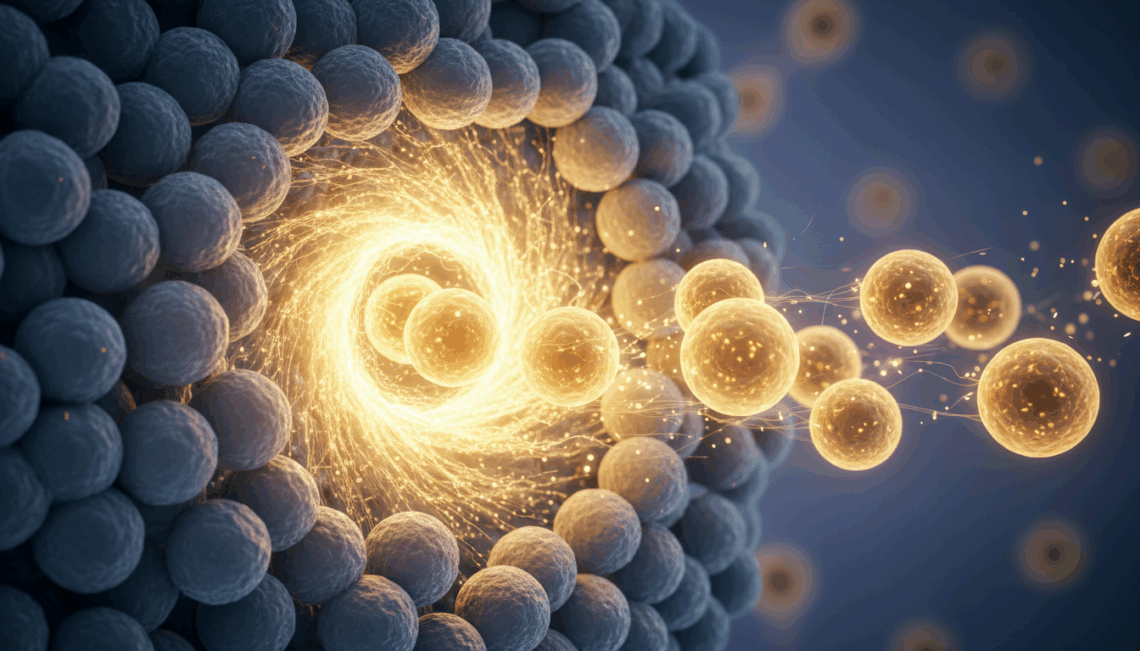
As we age, another cellular process comes into play: senescence. Senescent cells, sometimes called “zombie cells,” are cells that have stopped dividing but refuse to die. They accumulate in our tissues and secrete inflammatory compounds that can disrupt normal metabolic function.
Recent research suggests that the accumulation of these zombie cells in fat tissue can create a low-grade inflammatory environment, further promoting insulin resistance and making it even more challenging to shed stubborn fat. They essentially clog up your metabolic machinery, making your body less efficient at burning fuel.

Beyond the Basics: New Approaches to How to Get Rid of Stubborn Fat
While the foundational strategies are non-negotiable, science is constantly evolving. Researchers are now looking at more targeted ways to address the cellular and hormonal roadblocks we’ve discussed. The focus is shifting from simply burning calories to improving cellular health and efficiency.
This has led to the development of novel approaches that aim to support the body’s natural processes on a deeper level. Instead of just focusing on the “what” (eat less, move more), they address the “why” (why is my body resisting?).
A Targeted Cellular Solution: The Mitolyn Approach
One such innovative approach is Mitolyn, a unique topical serum designed to complement your existing health efforts. It was developed based on the understanding that stubborn fat is often linked to the cellular issues discussed earlier, particularly the accumulation of senescent “zombie” cells.
Mitolyn’s formula is built around ingredients that support cellular rejuvenation. The key ingredient, Oleuropein, is a powerful polyphenol extracted from olive leaves. It’s believed to support autophagy, which is your body’s natural cleanup process for removing damaged and senescent cells. By helping to clear out this cellular “clutter,” the goal is to create a more efficient metabolic environment where fat can be burned more effectively.
It’s important to view Mitolyn not as a magic pill, but as a strategic tool. It’s designed for people who are already putting in the work with their diet and exercise but need extra support to overcome those biological roadblocks in stubborn areas.
How Does a Topical Serum Work for Fat Loss?
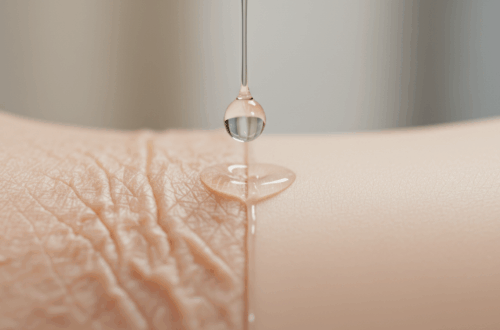
The idea of a topical serum for fat loss might seem unusual, but it’s based on the principle of transdermal delivery. The skin is a complex organ capable of absorbing active compounds and delivering them to the subcutaneous fat layer below. This localized approach allows the ingredients to be concentrated precisely where they are needed most—in those frustrating areas packed with A2 receptors and senescent cells.
By applying the serum directly to the belly, thighs, or arms, you are bypassing the digestive system and delivering targeted support to help restore a healthier cellular environment in those specific fat deposits.
Important Considerations and Final Thoughts
Tackling stubborn fat is a journey, not a sprint. It requires a comprehensive strategy that respects your body’s unique biology. The frustration you feel is valid, and it’s rooted in a complex web of hormones, cellular receptors, and the natural aging process.
A successful approach combines a healthy, sustainable lifestyle with smart, targeted solutions. Continue to prioritize a balanced diet, consistent exercise, stress management, and quality sleep. Then, consider incorporating advanced support like Mitolyn to address the problem at the cellular level.
Disclaimer: This article is for informational purposes only and does not constitute medical advice. Always consult with a qualified healthcare professional before starting any new diet, exercise program, or supplement regimen, especially if you have pre-existing health conditions or are taking medication.