That persistent feeling of bloating, the unpredictable gas, and the general digestive discomfort can be more than just an inconvenience; it can disrupt your entire life. If you’ve tried everything from changing your diet to taking probiotics and still feel like you’re not getting to the root of the problem, you might be asking a more fundamental question: is my gut lining compromised? Understanding how to repair gut lining is a critical step toward achieving lasting digestive wellness and reclaiming your comfort and vitality. It’s not about a quick fix, but about creating a robust internal environment where your body can thrive.
What is the Gut Lining and Why Does It Matter?
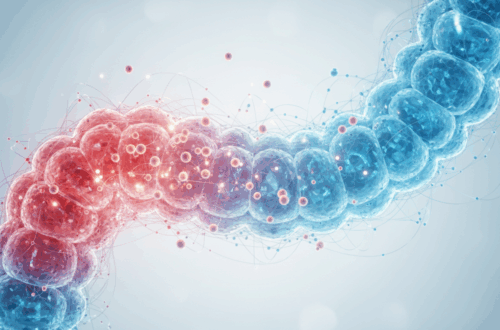
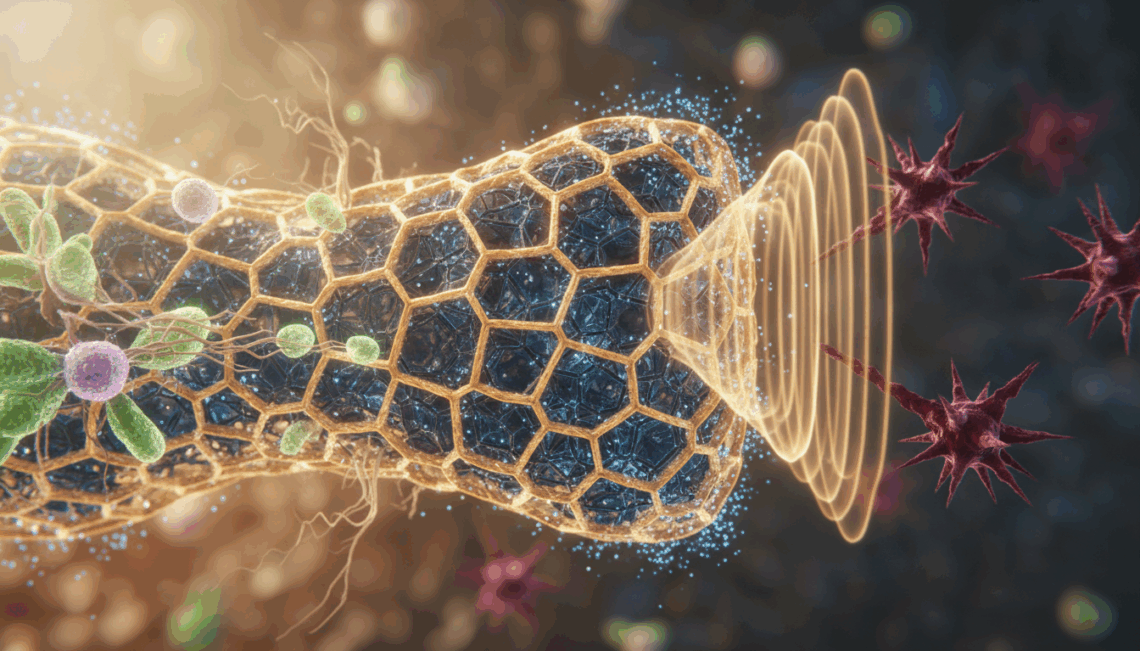
Think of your gut lining as a highly intelligent, selective gatekeeper. It’s a vast, single-cell-thick layer that covers the surface of your intestines, spanning an area the size of a small studio apartment. Its primary job is to absorb essential nutrients from the food you eat while preventing harmful substances—like undigested food particles, toxins, and pathogens—from entering your bloodstream. This barrier is maintained by “tight junctions,” which are protein structures that bind the cells of the intestinal wall together, ensuring the gate remains secure.
When this barrier functions correctly, your digestive system works smoothly, your immune system is balanced, and your overall health is supported. However, when the tight junctions loosen, the integrity of the barrier is compromised, a condition often referred to as increased intestinal permeability or “leaky gut.”
Signs Your Gut Lining May Need Support
A compromised gut lining isn’t just about digestive symptoms. Because it’s so closely linked to your immune system and overall inflammation, the signs can appear throughout your body. While it’s crucial to consult a healthcare professional for a proper diagnosis, here are some common indicators that your gut barrier might need attention:
- Chronic Digestive Issues: Frequent gas, bloating, diarrhea, constipation, or irritable bowel syndrome (IBS) are the most direct signs.
- Food Sensitivities: Developing new sensitivities to foods you previously tolerated can be a red flag, as undigested particles may be entering the bloodstream and triggering an immune response.
- Persistent Fatigue: If your body is constantly fighting low-grade inflammation and not absorbing nutrients properly, it can lead to unexplained exhaustion.
- Skin Problems: Conditions like acne, eczema, or psoriasis are often linked to gut inflammation.
- Brain Fog: Difficulty concentrating, memory issues, and a general feeling of mental cloudiness can be connected to the gut-brain axis.
Common Causes of a Compromised Gut Lining
Understanding what weakens the gut barrier is key to learning how to repair it. Several factors in modern life can contribute to loosening those critical tight junctions:
- Poor Diet: A diet high in processed foods, sugar, and unhealthy fats while being low in fiber can promote inflammation and starve beneficial gut bacteria.
- Chronic Stress: Prolonged psychological stress has been shown to negatively impact gut barrier function.
- Medications: Overuse of non-steroidal anti-inflammatory drugs (NSAIDs) and antibiotics can disrupt the gut microbiome and irritate the intestinal lining.
- Lack of Sleep: Insufficient or poor-quality sleep can increase inflammation and harm gut health.
- Bacterial Imbalance (Dysbiosis): An imbalance between beneficial and harmful bacteria in your gut can directly impact the health of your intestinal wall.
Foundational Steps for Gut Lining Support
Repairing your gut lining is a holistic process that starts with removing irritants and providing the building blocks for healing. The first line of defense involves diet and lifestyle changes. Focus on incorporating whole, nutrient-dense foods rich in fiber, such as fruits, vegetables, and legumes. Probiotic-rich foods like yogurt, kefir, and sauerkraut can help support a balanced microbiome. Equally important is managing stress through practices like meditation or yoga and prioritizing consistent, restful sleep. These foundational steps create the right environment for your gut to begin its healing process.
Beyond Probiotics: The Role of Postbiotics
While prebiotics (fiber that feeds good bacteria) and probiotics (the good bacteria themselves) are beneficial, sometimes the gut needs more direct support. This is where postbiotics come in. Postbiotics are the beneficial compounds produced by probiotics when they ferment prebiotic fiber. These compounds are directly responsible for many of the health benefits we associate with a healthy gut, and providing them directly can be a powerful strategy.
What is Butyrate and Why is it a Gut Health Superstar?
One of the most important postbiotics is a short-chain fatty acid (SCFA) called butyrate. Butyrate is the primary fuel source for the cells that make up your gut lining (colonocytes). It provides them with the energy they need to stay healthy, regenerate, and maintain those crucial tight junctions. A sufficient supply of butyrate is directly linked to a stronger, more secure gut barrier, reduced inflammation, and a healthier digestive environment.
Introducing Tributyrin: A Superior Source of Butyrate
The challenge with supplementing butyrate directly is that it gets absorbed in the stomach and small intestine before it can reach the colon, where it’s needed most. This is where a more advanced compound called Tributyrin comes in. Tributyrin is a unique form of three butyrate molecules bound together. This structure allows it to travel through the upper digestive tract intact, ensuring it reaches the colon where it can be effectively utilized by your gut cells to do its repair work.
A Targeted Approach to Support Your Gut: PrimeBiome
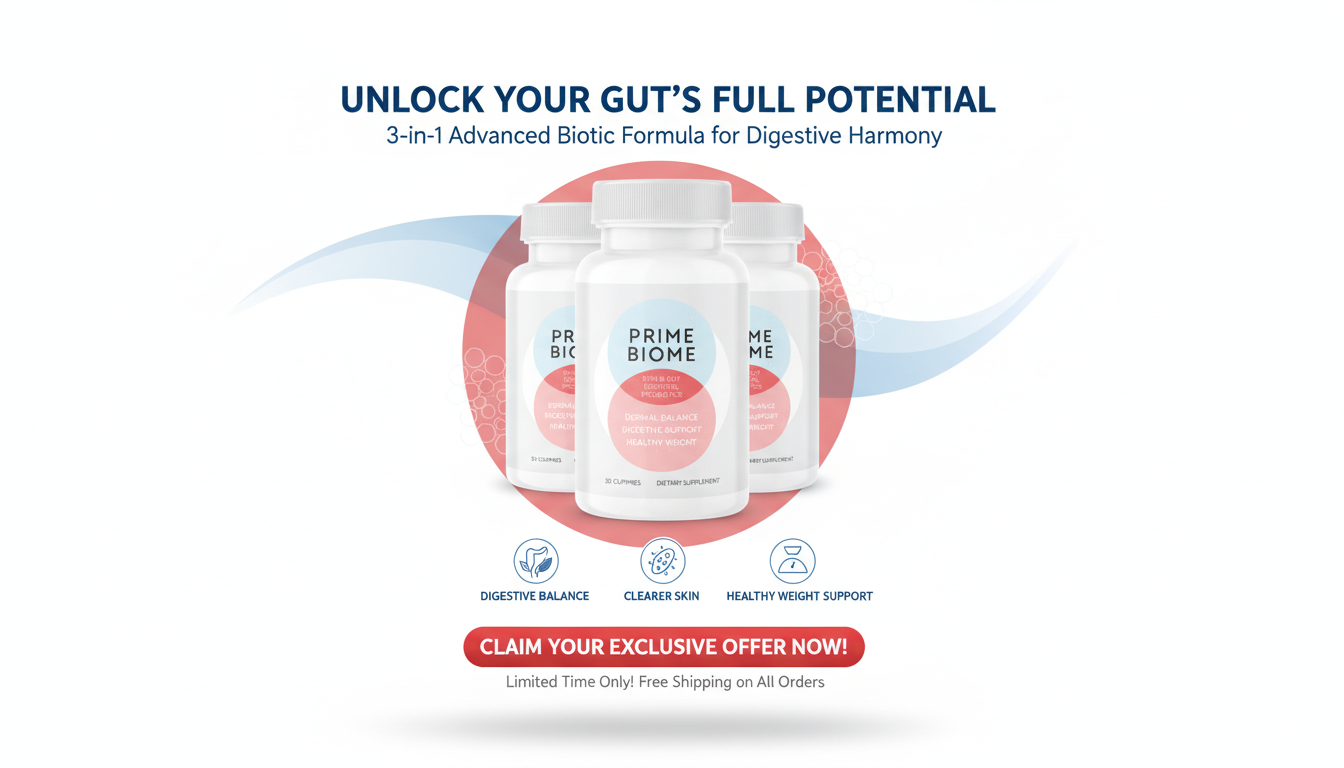
For those looking for a concentrated and effective way to deliver this key postbiotic to their gut, a supplement like PrimeBiome offers a targeted solution. PrimeBiome is formulated with Tributyrin, designed specifically to support and nourish the gut lining. By providing a direct source of fuel for your intestinal cells, it helps to strengthen the gut barrier and promote a balanced digestive system. It represents the next step in gut health science, moving beyond just adding bacteria to directly providing the essential compounds your gut lining needs to thrive.
Conclusion: Your Path to a Happier Gut
Figuring out how to repair gut lining is a journey toward reclaiming your overall health. It begins with foundational lifestyle choices—a nourishing diet, stress management, and adequate rest. For those who need additional, targeted support, understanding the role of postbiotics like butyrate can be a game-changer. By providing your gut with the direct fuel it needs, you can help fortify your internal barrier, soothe digestive distress, and build a foundation for long-term wellness. Always remember to consult with your healthcare provider before starting any new supplement regimen to ensure it’s the right choice for your individual needs.
Frequently Asked Questions (FAQ)
Is a postbiotic different from a probiotic?
Yes. Probiotics are live beneficial bacteria. Postbiotics are the beneficial compounds these bacteria produce. Supplementing with a postbiotic like butyrate provides the end-product directly to your gut cells, bypassing the need for fermentation.
Can I get enough butyrate from food alone?
You can increase butyrate production by eating a diet rich in soluble fiber (like oats, legumes, and apples), which feeds the bacteria that make it. However, for those with significant gut imbalance or a compromised lining, a direct supplement may provide a more potent and reliable source.
How long does it typically take to notice improvements?
Everyone’s body is different, and results can vary based on diet, lifestyle, and the initial state of one’s gut health. Some people may notice changes in a few weeks, while for others it may take longer. Consistency is key.