
What Exactly Are “Zombie Cells”?
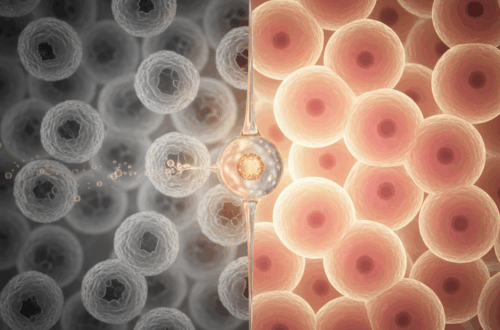
To understand how to protect your skin, we first need to look deeper, at a cellular level. Our bodies are constantly creating new cells while clearing out old, damaged ones through a process called apoptosis. It’s a vital cleanup process that keeps everything running smoothly.
However, sometimes this process falters. Certain cells, instead of dying off as they should, enter a state of suspended animation. They stop dividing but don’t die. These are technically called “senescent cells,” but they’ve earned the nickname “zombie cells” for a chillingly accurate reason: they linger, refusing to go away, and can influence the cells around them.
Think of it like having one bad apple in a barrel. A single zombie cell can release a host of inflammatory signals that can degrade the healthy tissue and cells in its vicinity. This process, known as the Senescence-Associated Secretory Phenotype (SASP), is a key factor in how zombie cells age your skin from the inside out.
The Visible Impact: How Zombie Cells Age Your Skin
While this cellular drama unfolds invisibly, its effects are anything but. The inflammatory signals sent out by zombie cells can directly interfere with the production of vital proteins that keep your skin looking youthful, firm, and radiant. Let’s break down the most common signs.
Loss of Firmness and Elasticity
Collagen and elastin are the two foundational proteins that act as your skin’s scaffolding. Collagen provides structure and firmness, while elastin allows your skin to snap back into place. The inflammatory signals from senescent cells can disrupt the function of fibroblasts—the very cells responsible for producing fresh collagen and elastin. As production slows and existing collagen is degraded, your skin begins to lose its taught, supple quality, leading to sagging, particularly around the jawline and neck.
The Rise of Wrinkles and Fine Lines
When collagen and elastin levels decline, the skin’s structure weakens. It becomes thinner, less resilient, and less able to retain moisture. This structural breakdown creates creases and folds, which we see as fine lines and wrinkles. Areas of your face that move the most, like around the eyes (crow’s feet) and mouth (laugh lines), are often the first to show these signs because the weakened skin can no longer smooth itself out effectively.
Uneven Skin Tone and Age Spots
The chronic, low-grade inflammation caused by zombie cells can also trigger an overproduction of melanin, the pigment that gives skin its color. When this production becomes erratic and clumps together, it results in hyperpigmentation, commonly known as age spots or sun spots. This contributes to an uneven, mottled complexion that can make the skin appear older and less vibrant.

Can You Fight Back? Supporting Your Skin Health
While the concept of zombie cells might seem daunting, it also empowers us with knowledge. Understanding the mechanism allows us to focus on strategies that support skin health from a new angle. It’s not just about slathering on a moisturizer; it’s about creating an environment where your healthy cells can thrive.
This includes timeless advice that is more relevant than ever:
- Sun Protection: UV radiation is a primary driver of cellular damage that can lead to senescence. Daily use of a broad-spectrum sunscreen is non-negotiable.
- Antioxidant-Rich Diet: Eating a diet full of colorful fruits and vegetables provides your body with antioxidants that help neutralize oxidative stress, another factor in cellular aging.
- Proper Hydration and Sleep: Water is essential for cellular function, and sleep is when your body undergoes its most critical repair processes.
Beyond these foundational pillars, science points toward specific ingredients that can provide targeted support directly to the skin.
A Targeted Approach: The Role of Polyphenols
This is where skincare science gets exciting. Certain compounds have been studied for their powerful properties that can help support the body’s natural processes. Among the most promising are polyphenols.
Polyphenols are a category of compounds naturally found in plant-based foods like berries, dark chocolate, and green tea. They are renowned for their potent antioxidant capabilities. In the context of skin health, this means they can help protect skin cells from environmental stressors and oxidative damage that contribute to the formation of senescent cells.
By applying polyphenol-rich formulas topically, you can deliver these protective benefits directly to the skin, helping to maintain a healthier cellular environment and fortify your skin’s defenses against the visible signs of aging.
Introducing a Specialized Serum for Youthful Skin
Understanding the science is one thing; finding a product that applies it is the next step. For those looking for a sophisticated formula that aligns with this modern understanding of skin aging, Mitolyn stands out.
Mitolyn is a specialized serum designed with this exact science in mind. It combines a potent blend of polyphenols with MCT (Medium-Chain Triglyceride) oil. This isn’t just another anti-wrinkle cream. It’s a targeted approach designed to support your skin at a deeper level.
The polyphenols in the formula provide powerful antioxidant support, helping to protect your skin from the daily environmental onslaught that accelerates aging. The MCT oil acts as an excellent carrier, ensuring these vital ingredients are delivered efficiently into the skin while providing a nourishing, moisturizing base that leaves skin feeling soft and supple.
Using a serum like Mitolyn is a proactive way to address the concerns of cellular aging. You are not just masking wrinkles; you are providing your skin with ingredients that help it maintain its youthful structure and radiance, directly countering the effects discussed earlier.
Conclusion: Take Control of Your Skin’s Story
The narrative of skin aging is no longer just about fine lines and genetics. The discovery of how zombie cells age your skin has opened up a new frontier in skincare. It’s a shift from merely treating the surface to supporting the very foundation of your skin’s health. By understanding that lingering senescent cells can accelerate the appearance of wrinkles, sagging, and dullness, you can make more informed choices.
A holistic approach that includes a healthy lifestyle, sun protection, and a scientifically-backed topical serum like Mitolyn gives you a powerful strategy. You can nourish your skin with ingredients that help it defend itself, supporting a complexion that looks as vibrant and healthy as you feel.
Frequently Asked Questions (FAQ)
What is the main cause of senescent cells?
Senescent cells are primarily caused by cellular stress and damage. The biggest external contributor is UV radiation from the sun. Other factors include environmental toxins, inflammation, and the natural process of aging itself, where the mechanisms for clearing out old cells become less efficient over time.
Are zombie cells real?
Yes, they are very real. While “zombie cells” is a catchy nickname, the scientific term is senescent cells. This is a well-documented phenomenon in cell biology and is an active and exciting area of longevity and aging research.
How can I support my skin against premature aging?
A comprehensive approach is best. First, protect your skin from further damage with daily broad-spectrum sunscreen. Second, adopt a healthy lifestyle with a balanced, antioxidant-rich diet and adequate sleep. Finally, incorporate targeted skincare with scientifically-backed ingredients, like the polyphenols found in Mitolyn, to provide direct support to your skin. As always, for personalized advice, consulting with a board-certified dermatologist is recommended.