Understanding the Core Signs of an Unhealthy Gut
Do you ever feel like you’re doing everything right—eating well, trying to exercise—but still feel off? Persistent bloating, unexplainable fatigue, and frustrating skin problems can be more than just daily annoyances. They are often your body’s way of sending a message, and much of the time, that message originates in your gut. Recognizing the signs of an unhealthy gut is the first and most critical step toward reclaiming your energy, vitality, and overall well-being.
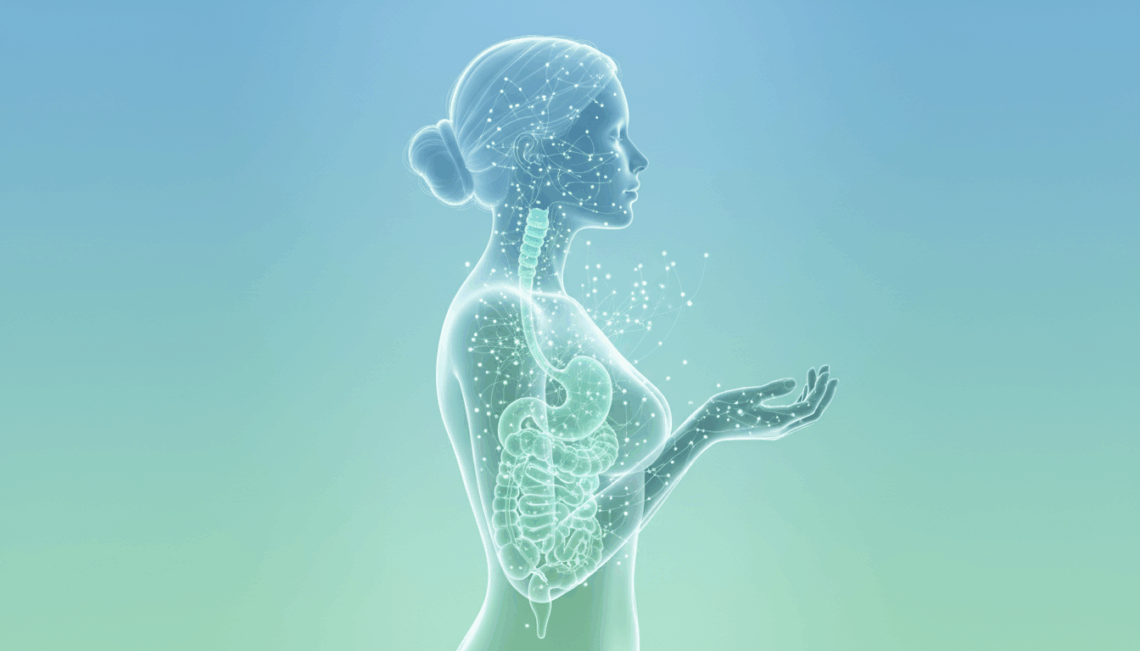
Your digestive system is far more than a simple food processing plant; it’s a complex ecosystem often called the “second brain.” It’s home to trillions of microorganisms that influence everything from your mood and immune system to your metabolism and skin clarity. When this delicate ecosystem is out of balance, the ripple effects can be felt throughout your entire body. This guide will walk you through the key indicators of poor gut health and explore what’s really happening beneath the surface.
What Does a Healthy Gut Actually Mean?
Before diving into the warning signs, it’s important to understand what a “healthy gut” feels like. It’s not just the absence of problems. It’s a state of efficient digestion, a strong immune system, stable energy, and a balanced mood. In a healthy gut, the intestinal lining is strong and intact, acting as a selective barrier that allows nutrients to pass into the bloodstream while keeping out toxins, undigested food particles, and pathogens. The community of bacteria, or microbiome, is diverse and balanced. When this system is compromised, it can lead to a host of problems that might not seem related to your stomach at all.
Top 7 Signs of an Unhealthy Gut You Shouldn’t Ignore
Your body has a sophisticated signaling system. Learning to interpret these signals is crucial for proactive health management. Here are some of the most common signs that your gut may be in distress.
1. Persistent Digestive Discomfort
This is the most obvious sign. Frequent gas, bloating, constipation, diarrhea, and heartburn are direct indicators that your digestive system is struggling. While occasional issues are normal, chronic discomfort suggests an underlying imbalance in your gut bacteria or inflammation in the digestive tract.
2. Unexplained Fatigue and Poor Sleep
If you feel tired all the time, even after a full night’s sleep, your gut could be a contributing factor. A significant portion of serotonin, a hormone that affects mood and sleep, is produced in the gut. An imbalanced gut can impair its production, leading to insomnia or poor-quality sleep, which in turn causes persistent fatigue.
3. Skin Irritation and Breakouts
Your skin often reflects your internal health. Conditions like acne, eczema, rosacea, and psoriasis have been linked to gut inflammation. When the gut lining is compromised—a condition often called “leaky gut”—toxins can “leak” into the bloodstream, triggering an inflammatory response that can manifest on your skin.
4. Unintentional Weight Changes
Struggling to lose weight or experiencing unexpected fluctuations without changing your diet or exercise habits? An unhealthy gut can impair your body’s ability to absorb nutrients, regulate blood sugar, and store fat. Imbalances in the microbiome can also trigger cravings and influence appetite, making weight management a constant battle.
5. Mood Swings, Anxiety, and Brain Fog
The gut-brain axis is a powerful connection. Chronic gut inflammation can affect your mental and emotional health, contributing to anxiety, depression, and difficulty concentrating. If you find yourself struggling with brain fog or uncharacteristic moodiness, it’s worth considering the health of your gut.
6. Frequent Cravings for Sugar
An overgrowth of “bad” bacteria and yeast in the gut can lead to intense cravings for sugary foods. These microorganisms feed on sugar, creating a vicious cycle: the more sugar you eat, the more they thrive, and the more you crave it. This can sabotage your health goals and further disrupt your gut microbiome.
7. A Weakened Immune System
Approximately 70% of your immune system resides in your gut. If you find yourself getting sick frequently, it could be one of the clearest signs of an unhealthy gut. A compromised gut lining and an imbalanced microbiome can weaken your immune response, leaving you more vulnerable to infections and viruses.
The Root Cause: What is “Leaky Gut”?
Many of the symptoms listed above can be traced back to increased intestinal permeability, or “leaky gut.” Your intestinal wall is lined with a single layer of cells that form tight junctions. This barrier is designed to be semi-permeable, letting vital nutrients into your bloodstream while blocking harmful substances. Due to factors like poor diet, chronic stress, and inflammation, these tight junctions can loosen. This allows toxins, microbes, and undigested food particles to escape the gut and enter the bloodstream, triggering a system-wide inflammatory response. This is the underlying mechanism for why gut issues can lead to problems as diverse as skin rashes and brain fog.

How to Begin Restoring Your Gut Health
Healing your gut is a journey, not a quick fix, but you can take proactive steps to restore balance. It starts with removing triggers and introducing elements that promote healing. It is always recommended to consult with a healthcare professional before making significant changes to your health regimen.
Focus on a Whole-Foods Diet
Processed foods, refined sugars, and unhealthy fats can promote the growth of harmful bacteria and increase inflammation. Focus on a diet rich in fiber from fruits and vegetables, lean proteins, and healthy fats. Fermented foods like yogurt, kefir, and sauerkraut can also introduce beneficial bacteria.
Manage Your Stress Levels
Chronic stress has a direct and negative impact on your gut health. It can decrease blood flow to the gut, alter gut bacteria, and contribute to inflammation. Incorporating stress-management techniques like meditation, deep breathing, yoga, or even a simple walk in nature can be incredibly beneficial.
The Role of Probiotics vs. Postbiotics
Many people reach for probiotics, which are live beneficial bacteria. While they can be helpful, they don’t always address the root problem of a damaged gut lining. This is where postbiotics come in. Postbiotics are the beneficial compounds produced *by* probiotic bacteria. They include substances like butyrate, a short-chain fatty acid that is the primary fuel source for the cells lining your colon. By providing postbiotics directly, you are giving your gut the exact tools it needs to repair and strengthen its lining.
A Direct Approach to Fortifying Your Gut Lining
If you believe the signs of an unhealthy gut are pointing toward a compromised intestinal barrier, a targeted approach can be highly effective. Instead of only adding more bacteria (probiotics), you can provide the direct nourishment your gut cells need to heal. This is the principle behind advanced formulas designed to tackle the problem at its source.
One such solution is PrimeBiome, which utilizes a powerful postbiotic called CoreBiome® Tributyrin. This compound delivers butyrate—the key fuel for your gut lining—directly to the colon where it is needed most. By fueling these cells, it helps tighten the junctions in the gut wall, effectively “sealing the leaks.” This approach supports your body’s natural ability to reduce inflammation, improve nutrient absorption, and restore the integrity of your most important barrier against toxins.
Your Path to Better Health Starts Now
Feeling better begins with understanding your body’s signals. The persistent, nagging symptoms of bloating, fatigue, skin issues, and mood swings are not something you have to live with. They are often clear signs of an unhealthy gut calling for your attention. By addressing the root cause—the health of your gut lining—you can take a significant step toward lasting wellness. Listening to your gut is the first step on a transformative journey back to feeling your best.