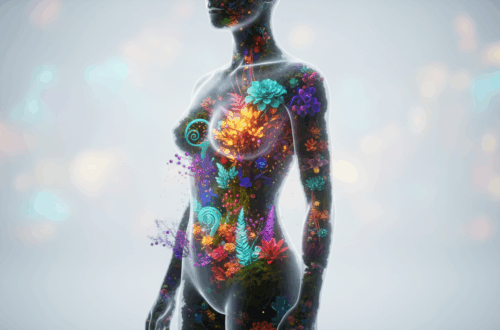

The Hidden Saboteur: Are You Ignoring the Signs of an Unhealthy Gut?
You eat well, you try to exercise, and you get enough sleep, yet something feels off. You might be dealing with persistent bloating that makes you uncomfortable in your own clothes, stubborn weight that won’t budge no matter what you do, or skin flare-ups that undermine your confidence. It’s a frustrating cycle, and it can often feel like your body is working against you. If this sounds familiar, the culprit might not be your diet or workout routine, but something deeper: the health of your gut. Recognizing the signs of an unhealthy gut is the first crucial step toward reclaiming your vitality and feeling your best.
Your gut is far more than just a digestive tube; it’s a complex ecosystem, often called the “second brain,” teeming with trillions of bacteria, fungi, and other microbes. This community, known as the gut microbiome, plays a pivotal role in nearly every aspect of your well-being, from nutrient absorption and immune function to mood regulation and skin clarity. When this delicate ecosystem is in balance, you thrive. But when it’s out of balance—a condition known as dysbiosis—it can trigger a cascade of issues that affect your entire body.
First, What Exactly Is the Gut Microbiome?
Imagine a bustling city inside your digestive system. The residents are trillions of microorganisms, primarily bacteria. In a healthy city, the “good” bacteria (probiotics) are plentiful. They work diligently to break down food, produce essential vitamins, protect against pathogens, and communicate with your immune system. They are the foundation of your digestive health and overall wellness.
However, factors like a poor diet high in processed foods, chronic stress, lack of sleep, or overuse of antibiotics can disrupt this harmony. “Bad” bacteria can begin to outnumber the good, leading to inflammation and a host of health problems. Understanding this balance is key to decoding the signals your body is sending you.
Common Signs of an Unhealthy Gut You Shouldn’t Ignore
The symptoms of an imbalanced gut can be surprisingly diverse. While some are directly related to digestion, others may appear completely unrelated. Here are some of the most common red flags.
1. Persistent Digestive Issues
This is the most obvious sign. If you frequently experience gas, bloating, constipation, diarrhea, or heartburn, it’s a clear indication that your gut is struggling. These symptoms suggest that your digestive system isn’t breaking down food properly and that there might be an imbalance in your gut bacteria, leading to fermentation and discomfort.
2. Unexplained Weight Changes
Have you gained or lost weight without making significant changes to your diet or exercise habits? An unhealthy gut can be a major factor. An imbalanced microbiome can impair your body’s ability to absorb nutrients, regulate blood sugar, and store fat. Certain types of gut bacteria are more efficient at extracting calories from food, which can lead to weight gain. Furthermore, gut inflammation can drive insulin resistance, another key factor in obesity.
3. Constant Fatigue and Poor Sleep
If you feel tired all the time, even after a full night’s rest, your gut could be to blame. A significant portion of the body’s serotonin, a hormone that affects both mood and sleep, is produced in the gut. Gut dysbiosis can interfere with serotonin production, leading to insomnia or poor-quality sleep, which in turn fuels a cycle of fatigue.
4. Skin Irritation and Problems
The gut-skin axis is a well-established connection. Inflammation in the gut caused by a poor diet or food sensitivities can “leak” out into the bloodstream, triggering inflammatory skin conditions like acne, eczema, psoriasis, or rosacea. If you’re battling persistent skin issues that don’t respond to topical treatments, it may be time to look inward at your gut health.

The Deeper Connection: How Gut Health Impacts Your Whole Body
The signs listed above are just the tip of the iceberg. The integrity of your gut lining is critical for preventing harmful substances from entering your bloodstream. When the gut is unhealthy, it can lead to a condition sometimes referred to as “leaky gut” (or increased intestinal permeability). This is where the tight junctions in your gut lining loosen, allowing undigested food particles, toxins, and bacteria to pass into your circulation.
This breach of your body’s primary defense system can trigger a widespread immune response and chronic inflammation, which researchers believe is at the root of many modern diseases. This systemic inflammation can manifest as joint pain, brain fog, mood disorders, and even autoimmune conditions. Therefore, a healthy gut is not just about digestion—it’s about maintaining the foundational barrier that protects your entire body.
How Can You Start Improving Your Gut Health?
The good news is that your gut microbiome is dynamic and can be changed. By taking proactive steps, you can nurture a healthier gut environment and alleviate many of the symptoms of an imbalance. The journey starts with simple, consistent lifestyle and dietary adjustments.
Dietary Changes
- Increase Fiber Intake: Prebiotic fiber, found in foods like onions, garlic, bananas, and whole grains, is the primary food source for your beneficial gut bacteria.
- Eat a Diverse Diet: A wide variety of fruits, vegetables, and legumes helps promote a diverse and resilient microbiome.
- Incorporate Fermented Foods: Foods like yogurt, kefir, sauerkraut, and kimchi are rich in probiotics, which are live beneficial bacteria that can help repopulate your gut.
Lifestyle Adjustments
- Manage Stress: Chronic stress can wreak havoc on your gut bacteria. Practices like meditation, deep breathing, and yoga can help.
- Prioritize Sleep: Aim for 7-8 hours of quality sleep per night to allow your gut—and your entire body—to rest and repair.
- Stay Hydrated: Drinking plenty of water has been shown to have a beneficial effect on the mucosal lining of the intestines and on the balance of good bacteria in the gut.
The Role of Targeted Probiotics
While diet and lifestyle are foundational, sometimes your gut needs extra support to restore balance, especially after periods of high stress, illness, or antibiotic use. This is where a high-quality probiotic supplement can be beneficial. Modern supplements are formulated with specific bacterial strains that are researched for their ability to support digestive health, immune function, and even weight management. These targeted formulas can provide a concentrated dose of beneficial bacteria to help repopulate your gut and crowd out the harmful microbes.
A Strategic Approach to Restoring Gut Balance
For those looking for a comprehensive formula designed to support the gut microbiome, products like PrimeBiome aim to address these specific concerns. It is formulated with a blend of specific probiotic strains, such as L. Gasseri, which has been studied for its potential role in weight management, and other key strains known for supporting digestive and immune health. The goal of such a product is not to replace a healthy lifestyle but to complement it, providing the specific building blocks needed to help restore bacterial harmony and combat the very issues that signal an unhealthy gut.
By combining a gut-friendly diet and lifestyle with a targeted supplement, you can create a powerful strategy for improving your overall well-being, from the inside out.
Your Gut Is Trying to Tell You Something—Are You Listening?
In conclusion, the persistent and frustrating health issues you may be facing are often not isolated problems but interconnected signals pointing back to your gut. Bloating, fatigue, skin problems, and stubborn weight are your body’s way of communicating a deeper imbalance. By learning to recognize these signs of an unhealthy gut and taking proactive steps to address the root cause, you can break the cycle of frustration. Nurturing your microbiome is an act of self-care that pays dividends across your entire health landscape, empowering you to feel more vibrant, balanced, and in control.
Frequently Asked Questions (FAQ)
How long does it take to improve gut health?
The timeline for improving gut health varies for everyone. Some people may notice positive changes in a few weeks with consistent dietary and lifestyle adjustments. For others with more significant imbalances, it could take several months. Consistency is the most important factor.
Can a probiotic supplement really help with weight loss?
Research suggests a strong link between gut bacteria and weight management. Certain probiotic strains, like Lactobacillus gasseri, have been studied for their potential to help reduce fat storage and support weight loss as part of a balanced diet and exercise program. However, a supplement is a tool to support your efforts, not a magic solution.
Is this type of supplement safe for everyone?
While probiotics are generally considered safe for most people, it is essential to consult with a healthcare professional before starting any new supplement regimen. This is especially important if you are pregnant, nursing, have a compromised immune system, or have a serious medical condition. Your doctor can help you determine if it’s the right choice for your individual health needs.