
The Hidden Connection: Why Your Skin Is a Mirror to Your Gut
Have you ever felt like you’re doing everything right for your skin, but nothing seems to work? You cleanse, you moisturize, you use the recommended serums, yet you still face persistent issues like acne, rosacea, eczema, or just a general lack of radiance. It’s a frustrating cycle that can leave you feeling hopeless. But what if the root of the problem isn’t on your skin at all? What if it’s deeper inside? This is where we uncover the critical link between gut health and skin, a concept known as the gut-skin axis.
Increasingly, scientific research is revealing that the health of our digestive system has a profound impact on nearly every part of our body, and our skin is one of the most visible indicators of what’s happening internally. If you’re struggling with skin problems that won’t go away, understanding this connection could be the missing piece of the puzzle.
What Exactly Is the Gut-Skin Axis?
The gut-skin axis is a term for the constant, two-way communication between your gastrointestinal tract and your skin. Think of it as a superhighway of information. Your gut is home to trillions of microorganisms, including bacteria, viruses, and fungi, collectively known as your gut microbiome. When this internal ecosystem is balanced and healthy, it contributes to your overall well-being. However, when it’s out of balance, it can trigger a cascade of issues that often show up directly on your skin.
This communication happens through complex interactions involving your immune system, metabolic pathways, and even your nervous system. An unhealthy gut can lead to systemic inflammation, oxidative stress, and a weakened immune response—all of which can manifest as skin flare-ups.
When Good Guts Go Bad: The Problem of Leaky Gut
One of the most significant issues affecting the link between gut health and skin is a condition commonly referred to as “leaky gut,” or increased intestinal permeability. The lining of your intestines is a remarkable barrier, designed to absorb nutrients while preventing undigested food particles, toxins, and harmful bacteria from entering your bloodstream.
When this lining becomes compromised, tiny gaps can develop, allowing these unwanted substances to “leak” through. Your immune system recognizes these particles as foreign invaders and launches an inflammatory attack. This chronic, low-grade inflammation doesn’t just stay in your gut; it travels throughout your body and can trigger inflammatory skin conditions.
Signs Your Skin Is Reflecting Gut Issues
- Acne and Breakouts: Studies have shown a strong correlation between gut dysbiosis (an imbalance of bacteria) and the severity of acne.
- Rosacea: This condition is often linked to an overgrowth of bacteria in the small intestine (SIBO) and general gut inflammation.
- Eczema (Atopic Dermatitis): A compromised gut barrier in early life is considered a risk factor for developing eczema, as it impacts the body’s immune response.
- Premature Aging: Chronic inflammation can break down collagen and elastin, the proteins that keep your skin firm and youthful, potentially accelerating the appearance of fine lines and wrinkles.
- Dull, Lifeless Skin: A poorly functioning gut struggles to absorb essential vitamins and nutrients that are vital for skin health, leading to a lack of glow.
How to Nurture Your Gut for Better Skin
Improving the link between gut health and skin involves a holistic approach. It’s not about a quick fix but about creating a sustainable internal environment where both your gut and skin can thrive. Here are some foundational strategies to consider.
1. Focus on a Gut-Friendly Diet
What you eat directly feeds your microbiome. To encourage the growth of beneficial bacteria, focus on:
- Fiber-Rich Foods: Vegetables, fruits, legumes, and whole grains provide prebiotics, which are the food source for good gut bacteria.
- Probiotic Foods: Fermented foods like yogurt (with live cultures), kefir, kimchi, sauerkraut, and kombucha can introduce beneficial bacteria to your system.
- Healthy Fats: Foods rich in omega-3 fatty acids, such as salmon, avocados, and walnuts, have anti-inflammatory properties that can benefit both the gut and skin.
- Limiting Processed Foods: High-sugar diets, refined carbohydrates, and artificial additives can feed harmful bacteria and promote inflammation.
2. Manage Stress and Prioritize Sleep
Stress is a major disruptor of gut health. When you’re chronically stressed, your body produces cortisol, a hormone that can damage the gut lining and negatively alter your microbiome. Similarly, a lack of quality sleep can weaken your immune system and increase inflammation.
Incorporate stress-management techniques like mindfulness, meditation, yoga, or even just taking a walk in nature. Aim for 7-9 hours of quality sleep per night to allow your body, including your gut, to rest and repair.
Beyond Probiotics: The Emerging Role of Postbiotics
While probiotics (live bacteria) and prebiotics (food for bacteria) are well-known, there is a third, powerful player in gut health: postbiotics. Postbiotics are the beneficial compounds that are produced when probiotic bacteria consume prebiotics. These compounds include short-chain fatty acids (like butyrate), enzymes, and other metabolites.
The exciting thing about postbiotics is that they offer a more direct approach. Instead of just introducing bacteria and hoping they produce the good stuff, you are supplying the beneficial compounds directly. Butyrate, for example, is the primary fuel source for the cells that line your intestines. It plays a crucial role in strengthening the gut barrier, reducing inflammation, and fortifying the very foundation of your gut health.
A Targeted Approach to Fortify Your Gut Lining
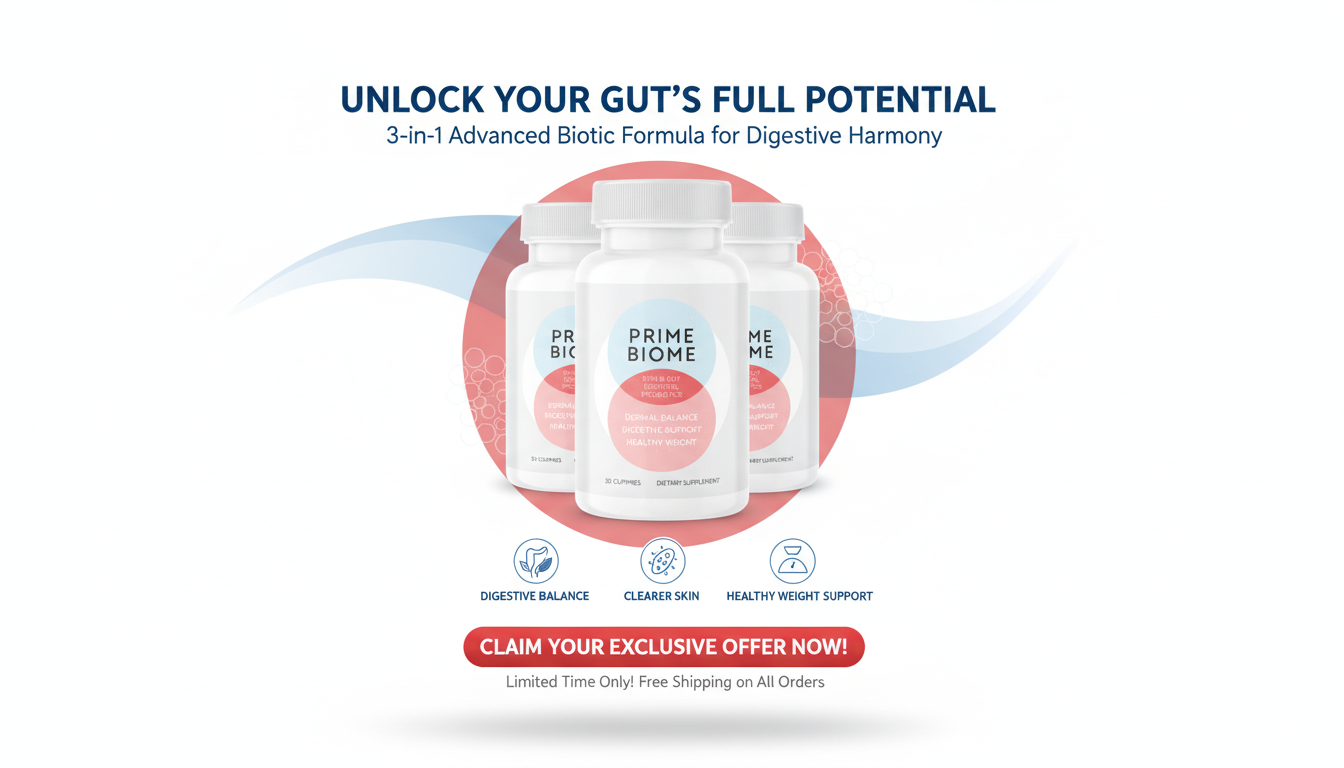
For those looking for a concentrated way to support their gut lining and address the root causes of skin and digestive issues, a targeted postbiotic supplement can be a powerful tool. This is where a product like PrimeBiome comes in. It is specifically formulated to deliver clinically studied ingredients that help supercharge the gut lining.
By focusing on postbiotics, PrimeBiome aims to directly nourish and strengthen the intestinal barrier. This helps to seal a “leaky gut,” calm systemic inflammation, and ultimately support the gut-skin axis from the inside out. It represents a modern, science-backed approach that goes beyond standard probiotics to provide the core compounds your gut needs to function optimally.
Conclusion: Your Path to Radiant Skin Starts Within
The journey to clear, healthy skin may not begin in your bathroom cabinet, but in your digestive system. The link between gut health and skin is undeniable. By addressing underlying issues like leaky gut and microbiome imbalance, you can tackle the root cause of your skin concerns, not just the symptoms. A holistic approach that includes a nutrient-dense diet, stress management, and targeted support from advanced supplements can help you restore balance and finally achieve the radiant health you deserve, from the inside out.
Disclaimer: The information in this article is for educational purposes only and is not intended to be a substitute for professional medical advice, diagnosis, or treatment. Always seek the advice of your physician or other qualified health provider with any questions you may have regarding a medical condition. Do not disregard professional medical advice or delay in seeking it because of something you have read here.