Is Your Skin Trying to Tell You Something?
You follow a routine. You cleanse, you moisturize, you might even apply serums and masks. Yet, despite your best efforts, your skin just doesn’t have that vibrant, youthful look you’re striving for. It feels dull, sensitive, and the fine lines seem to be getting more noticeable. If this sounds familiar, you might be overlooking the true gatekeeper of your skin’s health: the skin barrier. Understanding the signs of a damaged skin barrier is the first and most critical step toward achieving the radiant complexion you deserve.
Think of your skin barrier as a security guard. Its job is to keep the good stuff in (like moisture) and the bad stuff out (like pollutants and bacteria). When this barrier is compromised, your skin becomes vulnerable, leading to a cascade of issues that no amount of surface-level cream can fix. In this guide, we’ll explore the common signs that your barrier needs help and discuss how to effectively repair it for long-lasting health and glow.
What Exactly Is the Skin Barrier?
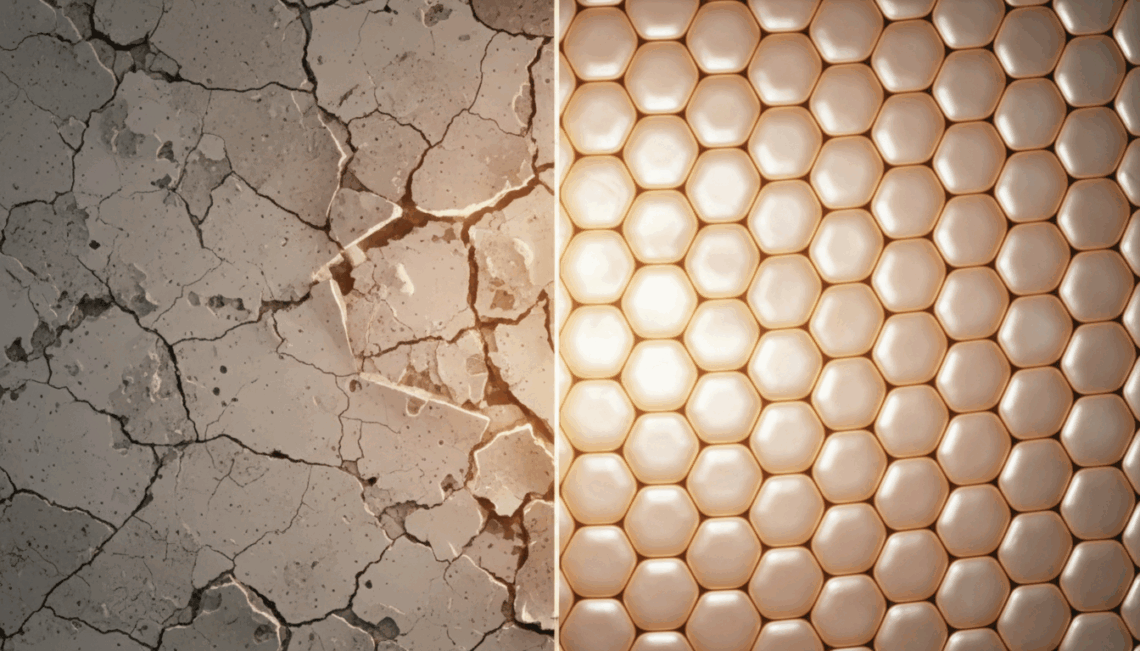
Before we dive into the signs of damage, let’s quickly understand what we’re talking about. The skin barrier, or stratum corneum, is the outermost layer of your skin. It’s often described using a “brick and mortar” analogy. The “bricks” are your skin cells (corneocytes), and the “mortar” is a mix of lipids—like ceramides, cholesterol, and fatty acids—that holds everything together.
This structure is incredibly important. A healthy, intact barrier:
- Retains Water: It prevents transepidermal water loss (TEWL), keeping your skin hydrated and plump.
- Protects from Threats: It shields your deeper skin layers from UV radiation, pollution, and harmful microorganisms.
- Maintains Balance: It supports a healthy skin microbiome, the ecosystem of bacteria that lives on your skin and contributes to its health.
When the “mortar” starts to break down, cracks appear in your defense system, leading to a range of frustrating symptoms.
7 Key Signs of a Damaged Skin Barrier
A compromised barrier doesn’t always look the same on everyone, but it typically manifests through a combination of the following tell-tale signs. See how many of these resonate with you.
1. Chronic Dryness and Dehydration
Is your skin constantly thirsty, no matter how much moisturizer you apply? This is a classic sign of a damaged barrier. When the lipid mortar is compromised, it can no longer effectively lock in moisture. Water evaporates from your skin more easily, leaving it feeling persistently tight, dry, and even flaky.
2. Increased Sensitivity and Redness
If products that you’ve used for years suddenly start to sting or cause irritation, your skin barrier is likely damaged. A weakened barrier allows irritants, allergens, and chemicals from your skincare or the environment to penetrate deeper into the skin, triggering an inflammatory response. This often shows up as redness, blotchiness, and a general feeling of sensitivity.
3. A Dull, Lackluster Appearance
That healthy, youthful “glow” comes from well-hydrated skin that reflects light evenly. A damaged skin barrier leads to a rough, uneven surface texture due to dehydration and the accumulation of dead skin cells. Instead of reflecting light, this rough surface diffuses it, making your complexion look dull and tired.
4. More Pronounced Fine Lines and Wrinkles
Hydration is key to plump, smooth skin. When your barrier can’t retain water, your skin loses its volume and elasticity. This dehydration makes existing fine lines and wrinkles appear deeper and more pronounced. While aging is a natural process, a compromised barrier can accelerate the visible signs dramatically.
5. Acne and Breakouts
Many people react to breakouts by using harsh, stripping products. Ironically, this can be one of the worst things to do. A damaged skin barrier can disrupt the skin’s microbiome, allowing acne-causing bacteria to flourish. It can also trigger inflammation, which is a key component of acne. If you’re experiencing more breakouts than usual, your barrier might be the culprit.
6. Slow Healing of Blemishes
Does it feel like the red marks from old pimples stick around forever? Your skin’s ability to heal and regenerate is heavily dependent on a healthy barrier. A compromised barrier function impairs these natural repair processes, meaning blemishes, cuts, or scratches take much longer to fade.
7. Uneven Skin Tone and Dark Spots
Inflammation is a major trigger for melanin production, the pigment that causes dark spots (hyperpigmentation). Since a damaged barrier often leads to chronic low-grade inflammation, it can contribute to the development of sun spots, age spots, and an overall uneven skin tone. The skin becomes less resilient to environmental stressors like UV light, making it more susceptible to pigmentation issues.
What Causes Skin Barrier Damage in the First Place?
Several factors, both internal and external, can weaken your skin’s defenses. The most common culprits include:
- Over-Exfoliation: Using harsh physical scrubs or too many chemical exfoliants (like AHAs/BHAs) can strip away the essential lipids in your barrier.
- Harsh Cleansers: Soaps and cleansers with high pH levels or sulfates can disrupt your skin’s natural acidity and wash away protective oils.
- Environmental Factors: Sun exposure, extreme weather (hot or cold), low humidity, and pollution all put stress on your skin.
- Aging: As we age, the natural production of ceramides and other lipids in our skin declines, making the barrier inherently weaker.
- Stress and Diet: High cortisol levels from stress and a diet lacking in essential fatty acids can also negatively impact skin health.
The Modern Approach: Repairing the Barrier from the Inside Out
Traditional advice for barrier repair focuses on gentle cleansing and rich moisturizers. While helpful, this approach can be slow and sometimes isn’t enough. Modern science points to a deeper factor: the skin microbiome. A balanced ecosystem of bacteria on your skin is essential for maintaining a strong barrier. When this ecosystem is out of balance, the barrier weakens.
This is where the concept of postbiotics comes in. While probiotics are live beneficial bacteria, postbiotics are the beneficial compounds those bacteria produce. In skincare, applying postbiotics can help “re-seal” a compromised barrier and restore its function without introducing live organisms.
One of the most promising solutions in this area is a formula called PrimeBiome. It is specifically designed to address what its creators call “leaky skin”—another term for a damaged barrier. It uses a unique postbiotic derived from a bacteria found in the gut of the long-living people of Ikaria, applying a similar principle of microbiome health directly to the skin.
By delivering these powerful postbiotic compounds, it helps to reinforce the “mortar” between your skin cells, effectively sealing the cracks that lead to moisture loss, irritation, and the signs of aging. It directly addresses the root cause of the signs of a damaged skin barrier, rather than just masking the symptoms.
Your Path to Resilient, Glowing Skin
Recognizing that your skin troubles might stem from a damaged barrier is a revolutionary step. It shifts the focus from fighting symptoms to healing the core issue. By treating your skin gently, avoiding harsh triggers, and incorporating advanced support like a postbiotic serum, you can effectively rebuild your skin’s defenses. The result isn’t just a temporary fix—it’s a return to resilient, hydrated, and truly healthy skin that glows from within.
For persistent or severe skin concerns, it is always recommended to consult with a board-certified dermatologist to create a personalized treatment plan.